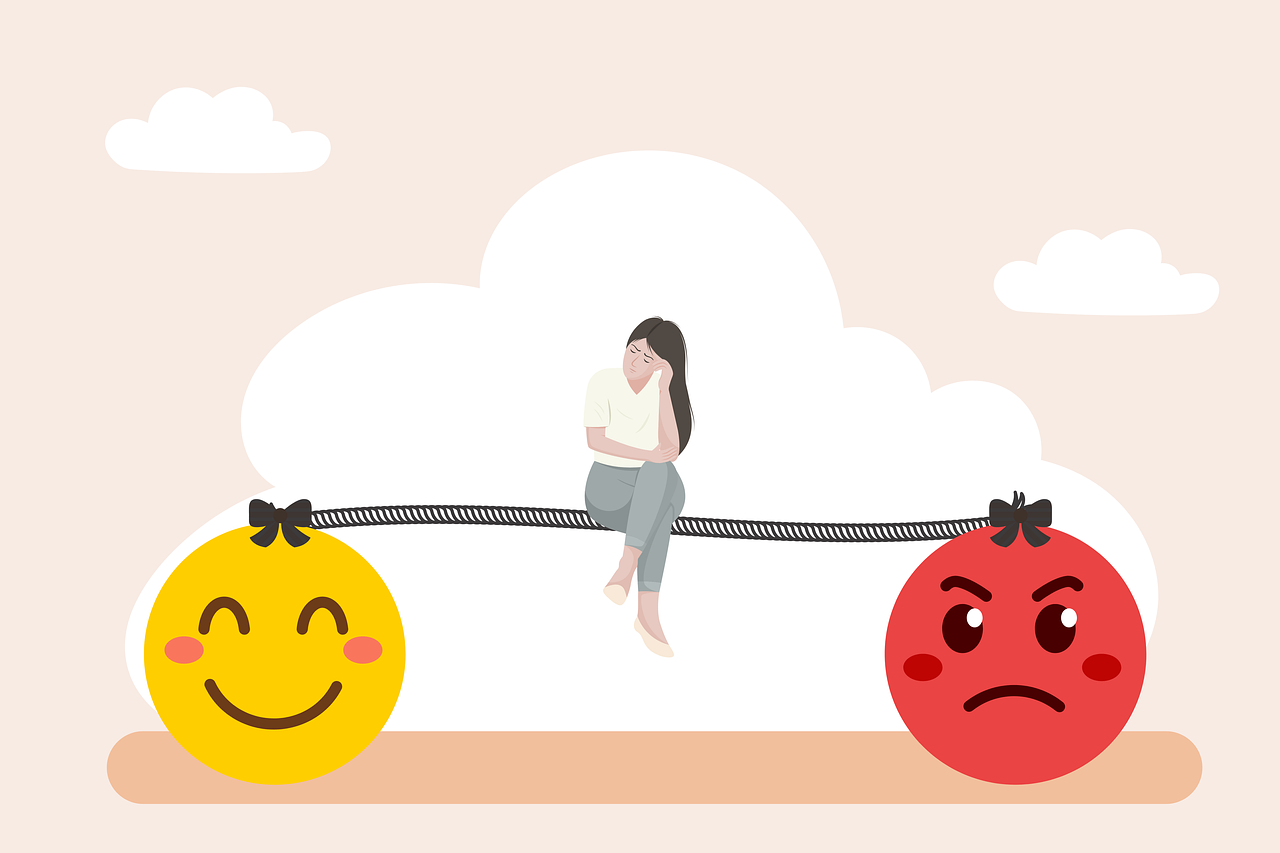
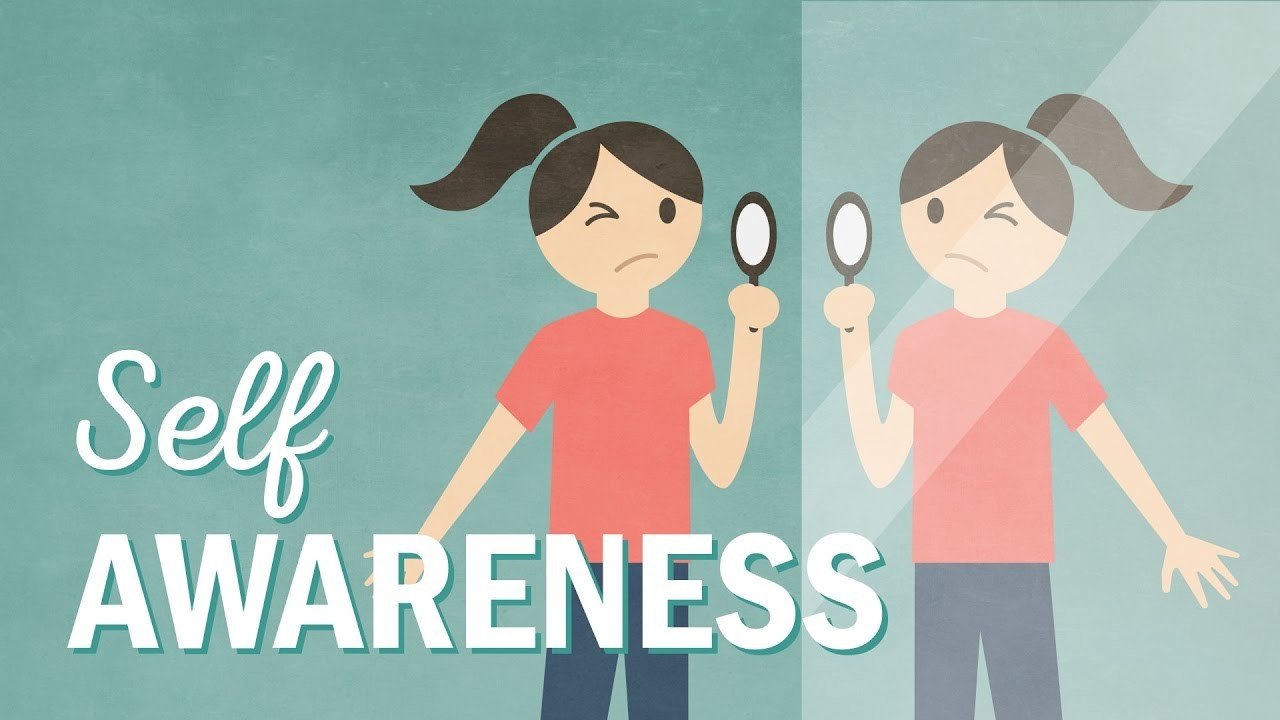
In my journey toward building deeper, more meaningful relationships, I’ve realized that self-awareness is a game changer. Understanding our own emotions, thoughts, and behaviors helps us navigate interactions with greater clarity and intention. Without self-awareness, we may react impulsively, misinterpret situations, or struggle to express our needs effectively, leading to unnecessary conflicts or misunderstandings.

Self-awareness in relationships plays a crucial role in fostering trust, empathy, and open communication. When we recognize our triggers and emotional patterns, we can respond rather than react, creating healthier dynamics with those around us. Whether it’s a romantic relationship, a friendship, or a family bond, knowing ourselves better allows us to understand others more deeply, strengthening connections on all levels.
Developing self-awareness is an ongoing process that requires reflection and intentional effort. Simple practices like mindfulness, journaling, and seeking feedback from others can help us gain valuable insights into our behaviors and thought patterns. By actively working on self-awareness, we can improve emotional intelligence, enhance our ability to resolve conflicts and create more fulfilling relationships.
In this article, I will explore the significance of self-awareness in relationships, highlighting its benefits, strategies for cultivating it, and the risks of lacking this essential skill. By embracing self-awareness, we can unlock stronger, healthier connections with the people in our lives.
1. Understanding Self-Awareness
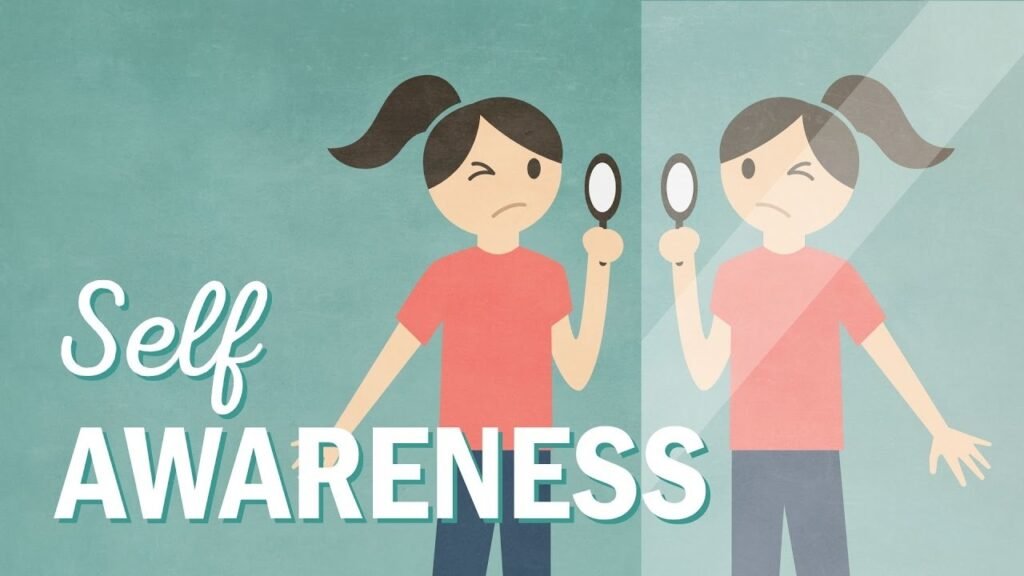
Self-awareness is the ability to reflect on our inner thoughts and feelings. It involves understanding our motivations and how they affect our actions. This self-reflection is crucial for emotional intelligence, which plays a significant role in how we relate to others.
Key Distinction: Self-Awareness vs. Self-Consciousness
Self-awareness focuses on understanding ourselves, while self-consciousness often centers on how others perceive us. By cultivating self-awareness, we shift our attention inward, leading to healthier, more authentic relationships.
2. How Self-Awareness in Relationships Improves Trust and Communication
Self-awareness can significantly improve the quality of our relationships in various ways:
| Benefits | Impact on Relationships |
|---|---|
| Improved Communication | Clearer expression of thoughts and feelings leads to fewer misunderstandings. |
| Enhanced Empathy | A deeper understanding of our emotions helps us relate better to others. |
| Reduced Conflict | Awareness of triggers allows for calmer, more constructive discussions. |
| Stronger Trust | Transparency fosters an environment of honesty and reliability. |
| Increased Patience | Understanding our own limitations helps us be more tolerant of others. |
3. Developing Self-Awareness
Here are practical steps to enhance your self-awareness for better relationships:
Step 1: Reflect Regularly
Take time each day to think about your emotions and reactions. Journaling can help clarify your thoughts and identify patterns.
Step 2: Seek Feedback
Ask trusted friends or family members for their perspectives on your behavior. This external viewpoint can illuminate blind spots.

Understanding why it happens doesn't make it stop.
You can know exactly what your nervous system is doing at 3 a.m. and still be awake at 3 a.m. Reading is where it starts. The Calm Reset Bundle is the part where you do something about it.
See the bundle →Step 3: Observe Without Judgment
Practice self-observation without harsh self-criticism. Understanding your strengths and weaknesses is vital for growth.
Step 4: Engage in Mindfulness
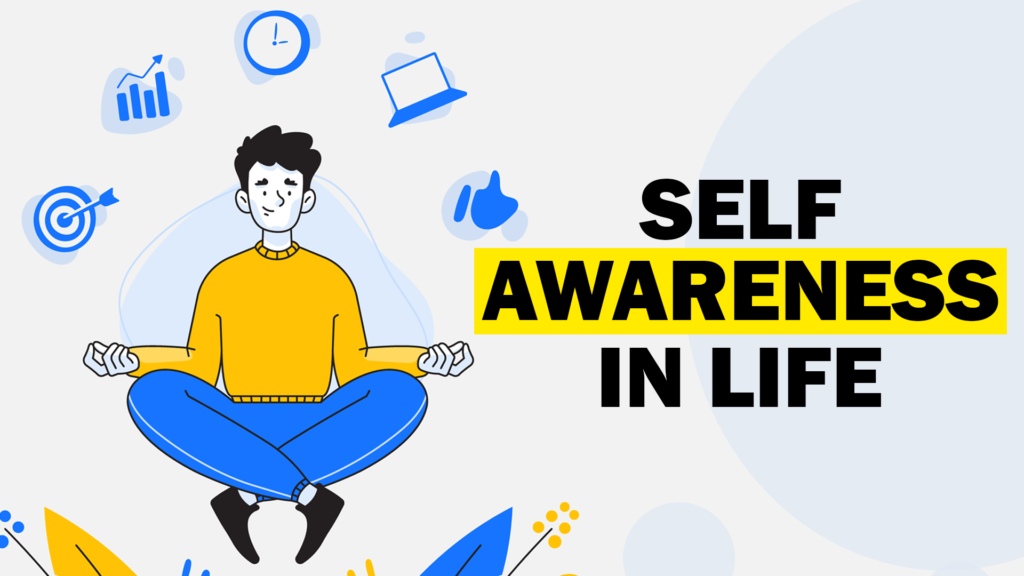
Mindfulness techniques, such as meditation, can help you become more aware of your emotions and reactions in real-time, promoting thoughtful responses over impulsive reactions.
4. The Impact of Self-Awareness in Relationships Across Different Connections
Romantic Relationships
Self-awareness helps partners communicate openly, fostering trust and understanding. Recognizing personal triggers can prevent misunderstandings and arguments.
Friendships
In friendships, self-awareness encourages empathy. When we understand our own struggles, we can better support our friends in theirs, leading to deeper connections.
Professional Relationships
In the workplace, self-awareness enhances collaboration and communication. Leaders who are self-aware can create a positive team dynamic, improving overall morale and productivity.

There's a version of this that asks you questions back.
An article can tell you what burnout is. A workbook makes you locate where you actually are in it, on paper, in your own handwriting. That's The Burnout Fix — ninety-odd pages of it.
Look at the workbook →5. The Risks of Lacking Self-Awareness
Without self-awareness, relationships may suffer from misunderstandings and conflicts. Here’s how the absence of self-awareness can hinder growth:
- Defensiveness: Not recognizing our triggers can lead to unnecessary defensiveness in conversations.
- Projection: Lacking insight into our emotions can result in projecting insecurities onto others, causing friction.
- Limited Empathy: Without understanding our feelings, we struggle to empathize with others, leading to emotional disconnection.
- Emotional Reactivity: Reacting impulsively can damage trust and create tension in relationships.
6. Tips for Increasing Self-Awareness
- Practice Active Listening: Focus entirely on what others are saying. This builds empathy and reduces miscommunication.
- Schedule ‘Me Time’: Dedicate time weekly to reflect on your thoughts and feelings, enhancing your self-understanding.
- Avoid Multitasking in Conversations: Giving full attention fosters genuine connections and allows for better self-observation.
- Consider Professional Guidance: Therapy can provide structured support in your journey toward greater self-awareness.
Conclusion: The Lifelong Journey of Self-Awareness
Self-awareness is not a destination but a lifelong journey that enriches our relationships. I have experienced firsthand how understanding myself has transformed my interactions, allowing for deeper connections, better communication, and lasting trust.
By prioritizing self-awareness, you are not only enhancing your own life but also creating a positive impact on those around you. As we strive for deeper connections, let’s remember that self-awareness is the foundation for healthier, more fulfilling relationships.

Quiet the noise — without burning your phone in a field.
Get Beat Information Overload free, plus the occasional calm, no-hype note from me.