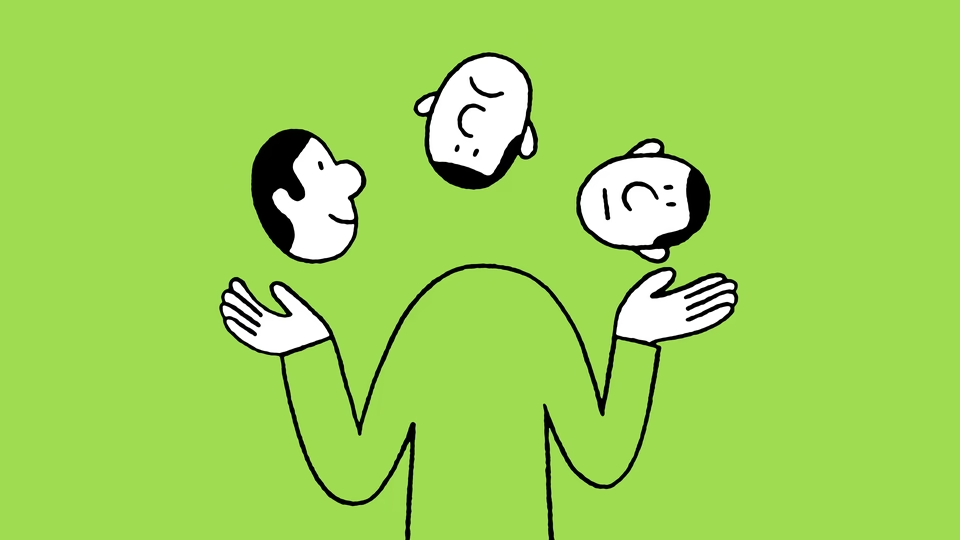

Many people think that going to therapy is a brave step toward personal growth, emotional healing, and changing how they act. But not everyone who starts therapy makes progress at the same rate, or at all, even though it could help. For some people, there is an invisible barrier that keeps them from getting better. This is called therapy resistance, and it can be both annoying and confusing, especially when the person doesn’t know they’re resisting. Not only people in therapy need to understand therapy resistance, but also mental health professionals, caregivers, and loved ones who want to help the person heal.

It's rarely a motivation problem. It's five apps and no single page.
Habits in one place, money in another, notes in a third, and nowhere that shows you how the month is actually going. The Digital Life Planner is one spreadsheet that holds all of it and does the arithmetic while you get on with your life.
See how it works →What Does Therapy Resistance Mean?
Therapy resistance is when people do things, think things, or believe things that get in the way of the therapy process, either on purpose or on accident. These behaviors frequently appear as subtle sabotage, avoidance, or denial, hindering individuals from fully engaging in therapy or assimilating its benefits.
Some resistance is normal and even expected, especially during sessions that are emotionally difficult. However, resistance that lasts a long time or is deeply rooted can slow progress and make the problems that therapy is meant to fix worse.
Some signs that someone is resistant to therapy are:

- Canceling or missing appointments frequently
- Changing therapists a lot without giving the process time
- Thinking about feelings instead of feeling them
- Avoiding, joking, or changing the subject of personal matters
- Leaving the therapist without saying goodbye after emotionally intense sessions
- Always wondering if therapy works
Why Do People Not Want to Get Better?
It seems crazy to resist therapy at first. Why would someone ask for help and then get in the way of getting it? The answer is deep inside the mind that isn’t aware of it. Resistance is not a flaw in one’s character or a lack of willpower; it is a protective mechanism, frequently formed early in life, that safeguards individuals from psychological distress.
1. Being Afraid of Change
To heal, you often need to make big changes in how you think, act, or interact with other people. Change can be scary, even when it’s good, because it breaks up patterns that are familiar. If you’ve had anxiety, trauma, or bad relationships, these patterns might feel like home. Letting go can make you feel scared, sad, and like you’ve lost your sense of self.
2. Being Afraid to Deal with Painful Feelings
Therapy involves confronting difficult emotions that may have been buried for years. It can be too much to handle when you’re angry, ashamed, guilty, or sad. Some people unconsciously avoid this discomfort by not getting involved in therapy.
3. Extra Gains
Psychological symptoms can sometimes have unintended benefits. For example, a person with chronic anxiety might get more attention or avoid their responsibilities. These “secondary gains” can make people want to keep things the way they are without even realizing it.
4. Not Valuing Yourself
A strong barrier is thinking that you don’t deserve to heal or can’t change. People who believe this may hurt themselves, skip sessions, or not listen to what their therapist has to say.
5. Not Trusting Other People
People who have been betrayed, abused, or neglected in the past may have trouble trusting their therapist. This lack of trust can show up as emotional withdrawal, being guarded, or not wanting to be open.
Ways That People Unknowingly Hurt Therapy

Many forms of therapy resistance are unconscious. The person isn’t trying to stop their progress on purpose; their actions are caused by fears or trauma that they haven’t dealt with yet. Here are some of the most common ways people sabotage themselves without realizing it:
Thinking About Feelings
Some clients talk about their feelings in a detached, analytical way instead of feeling them in their bodies. This could be a way to protect yourself from being weak. For instance, someone might say, “I know why I feel abandoned,” but they still don’t feel the pain of that experience.

Understanding why it happens doesn't make it stop.
You can know exactly what your nervous system is doing at 3 a.m. and still be awake at 3 a.m. Reading is where it starts. The Calm Reset Bundle is the part where you do something about it.
See the bundle →Ghosting for Therapy
After a breakthrough session or a painful confrontation, some clients just vanish. People often don’t stop because they’re not interested, but because the emotions get too strong to handle. In this case, ghosting is a way to avoid perceived psychological danger.
Read Also: How Thoughts on the Past & Future Fuel Depression: Breaking the Cycle
Too Much Dependence on the Therapist
If you rely on your therapist for emotional control or making decisions, it could mean that you don’t want to take responsibility for your own healing. This dynamic may foster dependency and impede therapeutic advancement.
Practicing Dysfunction with Therapy
In some cases, therapy becomes a place to act out old relationship patterns. A client may pursue validation from the therapist, contest their authority, or attempt to manipulate the therapeutic alliance. This reenactment makes things worse instead of better, even though you don’t know it.
How Therapists Spot and Deal with Resistance
Trained therapists know how to look for signs of resistance and talk about them with care. Instead of confronting resistance directly, many therapists take a non-judgmental, curious approach that helps clients understand their own ways of protecting themselves.
It's rarely a motivation problem. It's five apps and no single page.
Habits in one place, money in another, notes in a third, and nowhere that shows you how the month is actually going. The Digital Life Planner is one spreadsheet that holds all of it and does the arithmetic while you get on with your life.
See how it works →Here are some common things that therapists do:
- Making a safe place for therapy where people can talk about their fears and weaknesses
- Gently and together naming the resistance
- Looking into how the client feels about change
- Reframing resistance as a strength or coping skill that was once useful
- Fostering conscious awareness of thoughts, emotions, and actions
- Using experiential methods like somatic therapy, internal family systems (IFS), or EMDR to get around mental defenses
Therapists frequently remind clients that resistance is an inherent aspect of the healing process. Talking about it openly can be a big step forward in therapy.
Long-Term Plans to Get Over Therapy Resistance

To get over therapy resistance, you need to be patient, have insight, and be willing to face discomfort. These tried-and-true methods can help both clients and mental health professionals:
1. Make a Promise to Be Consistent
Even if you don’t want to, show up. Going to class regularly builds trust and momentum, which makes it easier to deal with bigger problems over time.
2. Learn How to Read and Write Emotions
Instead of avoiding or making excuses for your feelings, learn to recognize, name, and sit with them. Writing in a journal, being mindful, and doing exercises that focus on emotions can all help.
3. Learn to Be Kind to Yourself
Recognize that healing is not linear. Be kind to yourself when things go wrong or when you want to avoid them. Being kind to yourself helps you be strong and stay motivated.
4. Talk to Your Therapist Honestly
Bring it up in the session if you’re feeling stuck, doubtful, or overwhelmed. Honest conversation builds the therapeutic alliance and makes it possible for breakthroughs to happen.
5. Look at the Costs of Staying the Same
How much does it cost to stay the same? Think about how being resistant affects your health, relationships, and job. This reflection can help you get back on track with your healing.
6. Accept Discomfort as a Sign of Growth
Discomfort is a sign that you’re about to change. Lean into it, knowing that pain is often the way to growth.
7. Look for Therapists Who Are Good at Working with Clients Who Don’t Want to Change
Some therapists are experts at working with clients who don’t want to change, and they use integrative methods that are tailored to each person. Finding the right match can make a big difference.
It's rarely a motivation problem. It's five apps and no single page.
Habits in one place, money in another, notes in a third, and nowhere that shows you how the month is actually going. The Digital Life Planner is one spreadsheet that holds all of it and does the arithmetic while you get on with your life.
See how it works →Therapy Resistance in Real Life
Case 1: The Intellectualizer
Sarah, a 35-year-old lawyer, was very good at explaining how she felt, but she didn’t say how she felt very often. She frequently employed psychological terminology and theories to articulate her concerns in therapy, while evading vulnerability. Her therapist helped her see this as a defense mechanism that started in early childhood, when she learned that showing emotions was a sign of weakness. Sarah slowly connected with her inner experiences and started to heal through somatic therapy and emotional exposure work.
Case 2: The Ghost
Jason, a trauma survivor, often missed sessions after having emotional breakthroughs. His therapist saw the pattern and gently pointed out the fear that came up after times of weakness. They built a stronger therapeutic alliance and stopped Jason from ghosting by validating his need for safety and slowly raising his tolerance for emotional risk.
Case 3: The Person Who Won’t Give Up
Linda, a successful businesswoman, first went to therapy for burnout. But she often disagreed with her therapist’s advice, saying she “already knew” what they were talking about. This resistance hid her fear of giving up her need for perfection. Linda started to look into the deeper fears that were behind her control patterns over time. This opened the door to real change.
Conclusion: To Heal, You Need to Be Brave and Curious
Therapy resistance is a complicated and often misunderstood part of the healing process. It is not a failure, but a sign—a clue that points to fears, traumas, and beliefs that need to be cared for with compassion. People can go from unconsciously sabotaging their own healing to consciously healing by understanding and dealing with therapy resistance.
Keep in mind that resistance is not the end of therapy; it is a part of the process. When you approach it with curiosity and support, it becomes an invitation to become more aware of yourself and accept change that will last. The first step toward turning hidden fear into empowered healing is to recognize therapy resistance, whether you are a therapist, a client, or a loved one.

Quiet the noise — without burning your phone in a field.
Get Beat Information Overload free, plus the occasional calm, no-hype note from me.