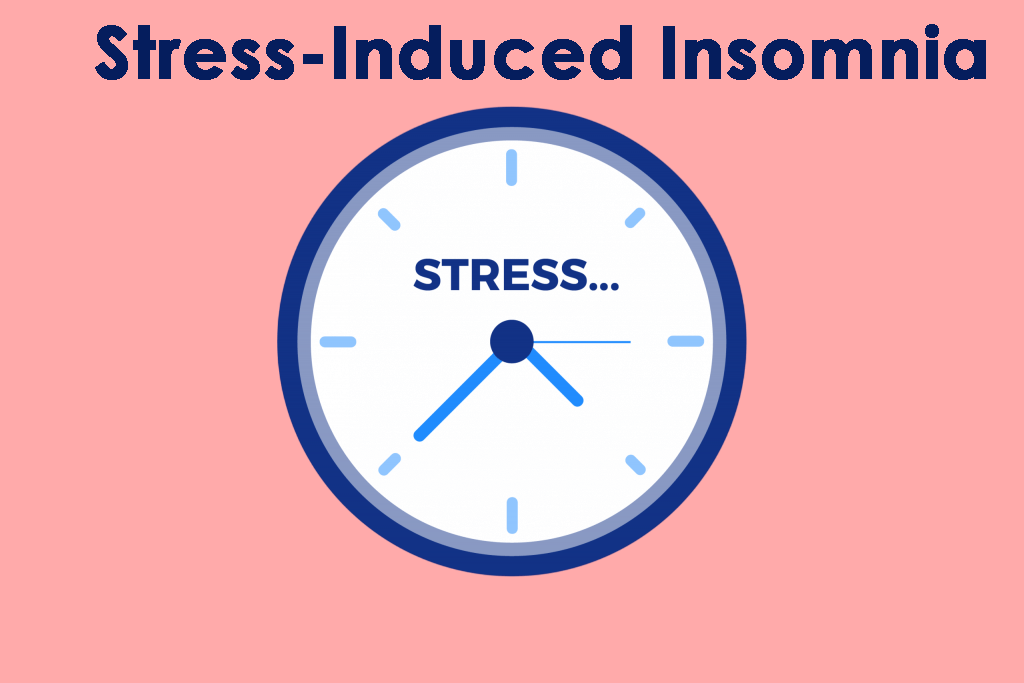

We’ve all experienced that overwhelming feeling after spending too much time scrolling through social media. I know I have. What begins as a quick check-in on Instagram or Twitter can quickly spiral into an hour (or more) of consuming endless content, and before you know it, you’re left feeling anxious, restless, and, in my case, emotionally drained. Social media, as wonderful as it can be, often leaves us stressed out without us even realizing it.
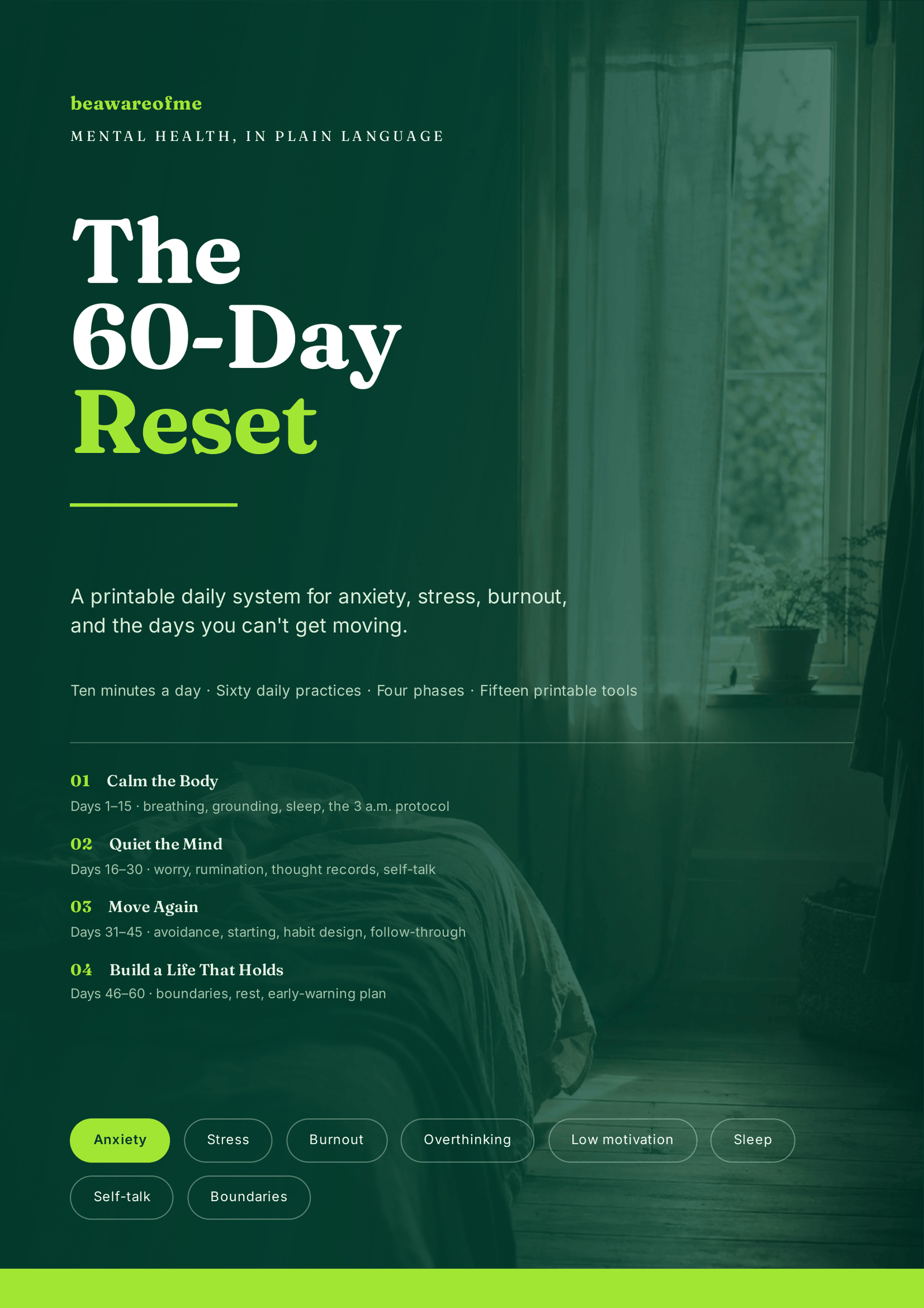
The 60-Day Reset
Everything on this page, sequenced into a printable ten-minute daily practice — 84 pages across anxiety, sleep, overthinking and low motivation, with a two-minute version of every day for the hard ones.
Instant PDF · 60 daily practices · 15 printable tools · Educational, not therapy
At one point, I considered quitting social media altogether. But let’s face it: in today’s world, social media is everywhere. It’s how we connect with friends, get the latest news, or even find inspiration. Cutting it out completely wasn’t a realistic option for me. Instead, I decided to take a mindful approach, learning how to manage my social media use in a way that brings peace rather than anxiety. And now, I want to share how you can do the same.

By the end of this, you’ll better understand how to integrate mindfulness into your online habits, reclaim control, and lower the stress social media can create.
Understand How Social Media Triggers Anxiety
Recognizing the Problem
One of the first things I had to understand was why social media was making me anxious. It wasn’t just about the time I spent online—it was the kind of content I was consuming and how I was interacting with it. Whether it’s doomscrolling, comparing yourself to others, or being exposed to stressful news, social media can quickly become a source of anxiety.
I remember one specific incident when a friend of mine confided in me about how her daily social media habits made her feel more isolated. Her feed was full of people “living their best lives”—vacations, accomplishments, personal milestones—while she felt stuck in her routine. It wasn’t until she started paying attention to her emotional responses that she understood how social media was driving her anxiety. The endless comparisons were making her feel worse, not better.

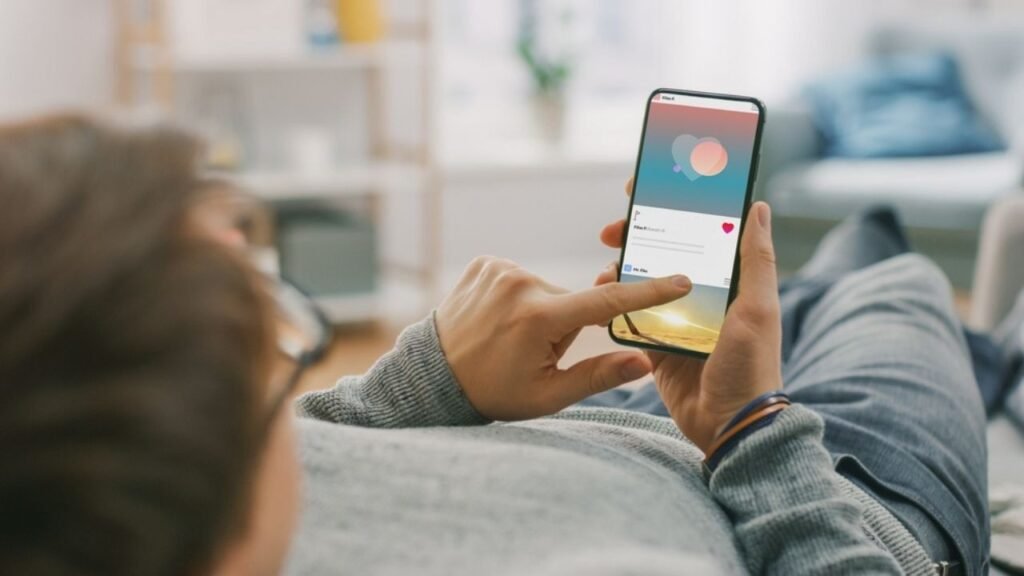
If you’re feeling the same, I’d recommend reading Is Social Media Making You More Isolated or More Connected? to understand the deeper effects social media can have on feelings of isolation.
Set Healthy Boundaries
Create Time Limits
One of my best decisions was setting time limits for my social media usage. I used to wake up, grab my phone, and start scrolling, letting it consume parts of my day without even realizing it. Sound familiar? Eventually, I found that by setting clear time boundaries, I could reduce that constant feeling of overwhelm.
You don’t need to go to extremes and delete your accounts. Instead, try setting specific times when you allow yourself to use social media—maybe in the evening or during lunch breaks—and stick to it. Apps like “Forest” or “Moment” can help monitor and limit your screen time healthily.
For a deeper dive into managing your mental well-being via social media, check out Managing Social Media for Mental Well-being. This guide covers setting boundaries and techniques to control your consumption.
Designate Social Media-Free Zones

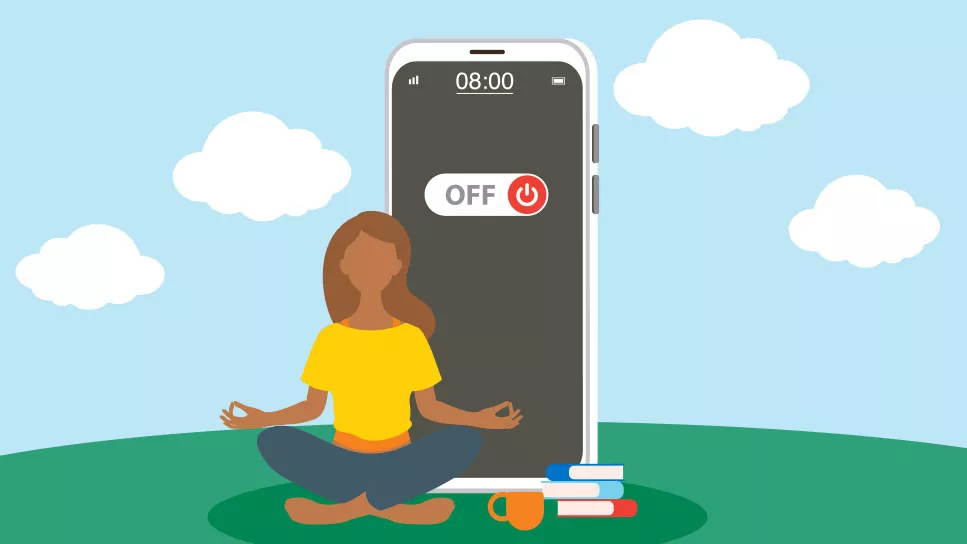
One strategy that worked wonders for me was designating “social-media-free zones.” For example, my bedroom is off-limits for my phone. When I’m there, it’s time for rest, reflection, or reading a book—not scrolling endlessly. Trust me, creating physical spaces where you’re free from digital distractions is an essential part of calming your mind.
Curate Your Social Media Feed Mindfully
Curate for Positivity
Another important shift I made was being more selective about the content I allowed into my digital world. Let’s be honest: not everything on social media is good for your mental health. That’s why I took the time to curate my feed, following accounts that promote positivity, mental health, and inspiration. Instead of being bombarded with negative news or comparison-inducing posts, I’m now greeted with content that lifts me up.
Take a moment to think about the accounts you follow. Do they inspire you or stress you out? If it’s the latter, it’s time to hit “unfollow.” You can also use the “mute” feature if you don’t want to unfollow someone directly but still need a break from their content.
The 60-Day Reset
Everything on this page, sequenced into a printable ten-minute daily practice — 84 pages across anxiety, sleep, overthinking and low motivation, with a two-minute version of every day for the hard ones.
Instant PDF · 60 daily practices · 15 printable tools · Educational, not therapy
If you’re looking for inspiration, the article on Mindful Social Media Techniques provides several tips on managing your feed and using social media more thoughtfully.
Mute Notifications
Something as simple as turning off notifications can significantly reduce your anxiety levels. I used to get pinged every time I received a like, a comment, or a new follower, and those constant notifications made me feel like I was always “on.” By muting most notifications, I gained back control over when I wanted to engage with social media rather than letting it dictate my time. I now check my accounts when I feel like it, not when my phone demands it.
Engage, Don’t Scroll
Practice Intentional Engagement
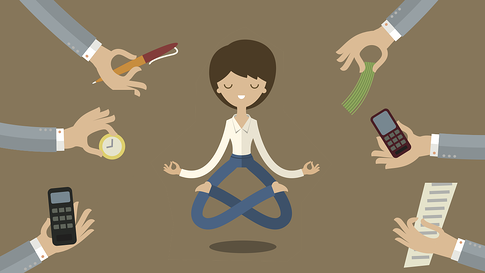
One of the reasons social media feels so draining is that we often engage with it passively. I would find myself scrolling endlessly, consuming information without really processing it. I wasn’t engaging; I was just watching. That, I’ve realized, is a recipe for anxiety.
The shift happened when I started engaging intentionally. Instead of mindlessly consuming content, I made an effort to comment on posts, like content that resonated with me, and genuinely connect with people. This small change helped me use social media more meaningfully, turning it from a mindless habit into something that actually added value to my day.
So next time you’re on social media, instead of scrolling, ask yourself: why am I here? How do I want to engage with this content?
Take Mindful Breaks
Practice Digital Detoxes
One of the most impactful practices for me has been incorporating mindful social media breaks into my routine. These aren’t full-on “quits,” but rather periods where I intentionally stay off my phone. Sometimes, it’s just a few hours during the day. Other times, I’ll take the whole weekend off.
The first time I did a 24-hour break, I was surprised at how often I instinctively reached for my phone. But by the end of the day, I felt so refreshed—my anxiety levels had dropped, and I was more present in the moment. Now, I make it a habit to regularly disconnect to reset my mind. If you’re looking for ideas, you can find more information on the positive impact of such breaks in the Top 7 Positive Effects of Social Media on Mental Health.
Conclusion
Incorporating mindfulness into your social media use doesn’t mean you have to give up these platforms entirely. Instead, it’s about finding balance—setting boundaries, curating your feed for positivity, engaging with intention, and taking regular breaks. These small but significant steps can dramatically reduce your anxiety and help you enjoy social media in a healthy, mindful way.
I encourage you to start applying some of these techniques and see how they work for you. It may take time, but the rewards—peace of mind, lowered anxiety, and more meaningful social interactions—are well worth it.

Quiet the noise — without burning your phone in a field.
Get Beat Information Overload free, plus the occasional calm, no-hype note from me.