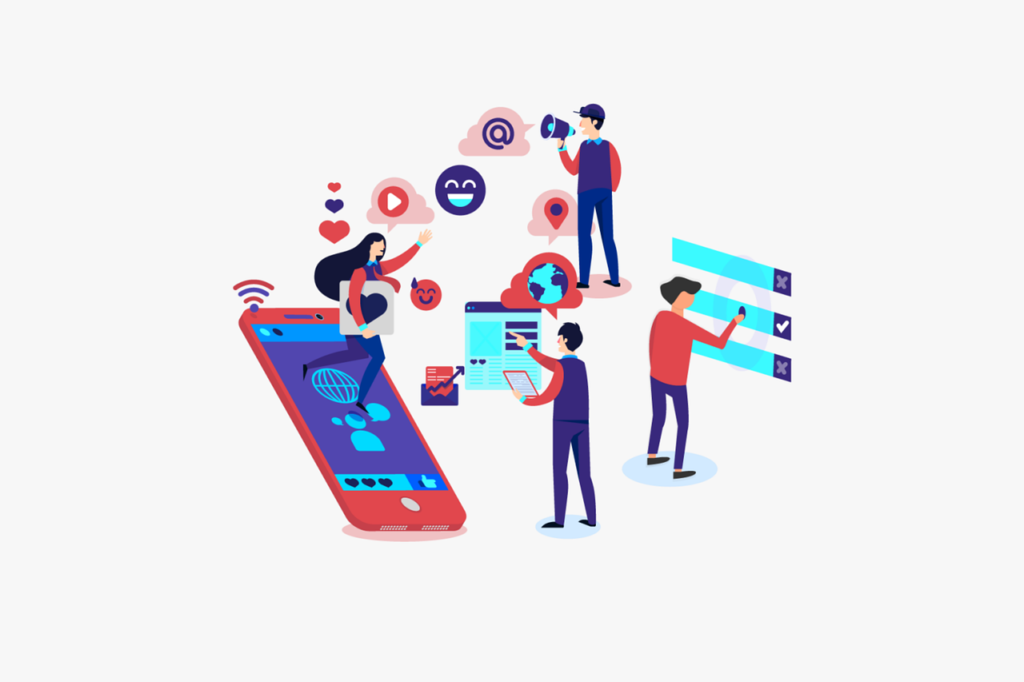
I’ve often found myself in an endless scroll, feeling both mentally drained and emotionally unfulfilled. Maybe you can relate? Social media, once a space for connecting with friends or exploring interesting topics, can sometimes feel like a major source of anxiety. Over the years, I’ve learned some techniques to balance my online life, reducing the stress that comes with it. Let me share what has worked for me—and what might help you too.

It's rarely a motivation problem. It's five apps and no single page.
Habits in one place, money in another, notes in a third, and nowhere that shows you how the month is actually going. The Digital Life Planner is one spreadsheet that holds all of it and does the arithmetic while you get on with your life.
See how it works →Mindful use of social media is more important now than ever. We often forget the sheer amount of content we consume daily, which can weigh us down emotionally. So, how do we navigate this digital landscape without it becoming a burden on our mental health? It’s all about being intentional. I’ve tried, failed, and refined several methods that keep me grounded, and trust me—it’s a process.
Now, before diving into specific strategies, think about why you’re here. Maybe social media has started to feel overwhelming, or perhaps you’re looking for a healthier way to interact with your feeds. Whatever the reason, I want to guide you through mindful techniques that have the power to drastically change your relationship with the online world.
Be Aware of Your Triggers
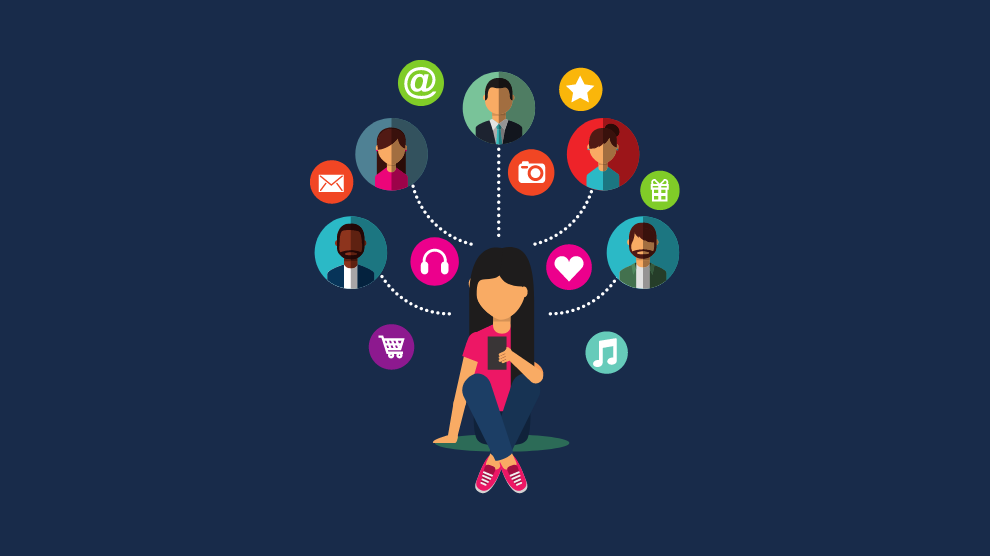
Social media can easily become an emotional minefield if you don’t know what sets you off. For me, comparison is the biggest culprit. I’d see posts about someone’s “perfect” life and instantly feel inadequate. It took me years to realize that most people only share the highlights of their lives, not the full picture.
The first step to using social media mindfully is identifying what makes you anxious or stressed. Maybe it’s certain accounts, types of posts, or even specific platforms. Here’s a simple exercise I found helpful: the next time you feel your stress levels rise while browsing, stop and take a moment to reflect. What was it that triggered you? Was it the content itself or the way it made you feel?

Most of what you read this week will be gone by Thursday.
That isn't a discipline problem. It's what happens to information you never write down. Beat Information Overload is a free 35-page workbook that turns reading into something that stays.
Get the free workbook No cost · unsubscribe in one clickOnce I became aware of my triggers, I started unfollowing accounts that fueled my anxiety. This doesn’t mean I closed myself off from differing opinions or hard topics—I just learned to protect my mental health by curating my space. Some people may find it beneficial to create lists on Twitter, or use Instagram’s “mute” feature for friends and family you love, but whose posts might be emotionally draining.
Set Time Boundaries
This is a game changer, but it’s also one of the hardest. We’ve all been there—promising ourselves five more minutes only to realize an hour has passed. I never liked the idea of time limits, thinking it was too rigid, but I quickly realized that setting boundaries freed me rather than restricted me.
One trick I use is having “no-phone” zones, especially in the mornings and before bed. These are the times I’m most vulnerable to feeling overwhelmed. Without a strict boundary, social media can creep into moments where you’re supposed to rest or prepare for the day.
If you’re someone who struggles with self-control, apps like Moment or Freedom can help. They block access after a certain amount of time or during specific periods. I tried it out when I felt like social media was monopolizing my free time, and the result? I felt lighter, more present, and my anxiety lessened.

There's a version of this that asks you questions back.
An article can tell you what burnout is. A workbook makes you locate where you actually are in it, on paper, in your own handwriting. That's The Burnout Fix — ninety-odd pages of it.
Look at the workbook →Practice Digital Detox Days
This might sound extreme, but I swear by it: take a break. Whether it’s a full day away from screens or a weekend unplugged, giving yourself time away from social media can reset your mind. I remember the first time I did this—I was nervous, almost afraid I’d miss out on something important. But guess what? The world didn’t fall apart. Instead, I felt refreshed, clear-headed, and more in tune with the real world around me.
It doesn’t have to be every weekend, but even one day a month where you’re intentionally offline can provide mental clarity. You might realize that the constant barrage of information was subtly exhausting you, and you didn’t even know it.
Here’s how I make it work: I schedule detox days when I know I won’t need to be online for work or any social obligations. I usually spend that time outdoors, reading, or catching up with friends in person. And if a whole day seems daunting, start small—try a few hours. Trust me, once you see the benefits, you’ll crave these breaks more often.
Engage Consciously, Not Passively

Scrolling mindlessly can feel like second nature, but it’s also a surefire way to spiral into stress. I’ve found that the key to using social media mindfully is to engage with intention. Instead of just scrolling through your feed, stop and ask yourself: Why am I opening this app? Is it to connect with friends, learn something new, or simply to pass the time?
Now, there’s nothing wrong with a little mindless scrolling here and there, but when it becomes habitual, it can leave you feeling disconnected or drained. What works for me is setting a purpose before I log in. Maybe I’m just checking a message, or maybe I want to catch up with specific friends. By focusing on active engagement, I feel more in control and less like social media is controlling me.
Curate Your Feed
I used to follow every account that sparked even the slightest interest. Over time, my feed became overwhelming, filled with content I didn’t care about or that made me feel bad. So I did a social media “cleanse.”
I went through and unfollowed accounts that no longer aligned with my interests or values. Now, my feed is full of posts that bring joy, knowledge, and positivity into my life. It’s like decluttering your living space—the less clutter, the clearer your mind feels.
If you don’t want to unfollow certain people for personal reasons, use features like “mute” or “see less of.” Remember, your feed should uplift you, not add to your stress.
Balance Social Media with Real-Life Connection
One thing I love about social media is its ability to connect me with people I care about, but I always remind myself that nothing beats face-to-face interaction. After spending a lot of time on social platforms, I intentionally balance it out with real-life conversations. Coffee with a friend or a walk with family can do wonders for your mental health.
I also think it’s important to share genuine parts of your life online, not just the filtered, “perfect” moments. For me, that makes social media feel more real and less anxiety-inducing. We’re all human, after all.
There's a version of this that asks you questions back.
An article can tell you what burnout is. A workbook makes you locate where you actually are in it, on paper, in your own handwriting. That's The Burnout Fix — ninety-odd pages of it.
Look at the workbook →In the end, mindful social media use is about staying in control and maintaining a healthy balance. It won’t happen overnight, but with practice, you’ll notice a significant reduction in anxiety and stress. Implementing these changes has not only helped me feel more centered, but it’s also given me back precious time that was once lost to the scroll.

Quiet the noise — without burning your phone in a field.
Get Beat Information Overload free, plus the occasional calm, no-hype note from me.