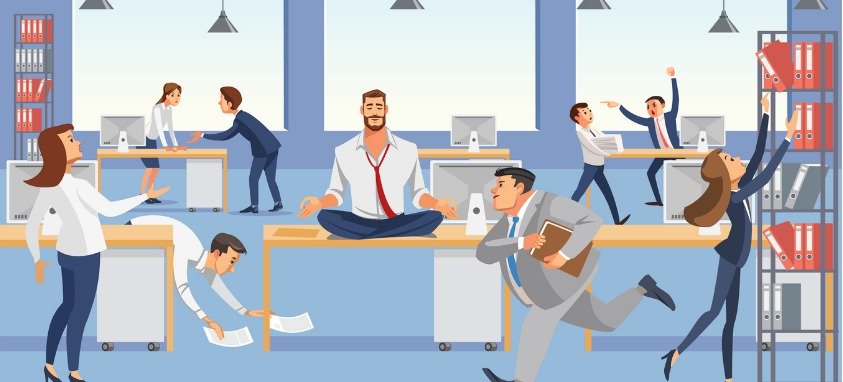

Stress at work can feel like a heavy cloud hanging over your head, and recovering from it is not just about taking a deep breath. It’s about understanding the science behind stress and applying strategies that have been proven to work. Let’s dive into the research and explore how you can effectively recover from work-related stress and bounce back stronger.

Introduction
Stress recovery isn’t just about relaxation; it’s about rejuvenation. When I first started working in a high-pressure environment, I thought stress was just a part of the package. Until I stumbled upon some compelling scientific studies that changed my approach. These studies highlighted how stress affects our brain, body, and overall well-being, and more importantly, how to combat it effectively.
Imagine a colleague, Sarah, who used to be overwhelmed by her workload. She decided to delve into scientific methods of stress recovery and discovered techniques that transformed her professional life. These aren’t just theories; they are practical, research-backed strategies that can make a tangible difference.
Understanding the Science of Stress
Stress activates the body’s fight-or-flight response, releasing hormones like cortisol and adrenaline. While these hormones can be helpful in short bursts, chronic stress leads to various health issues. Studies show that unmanaged stress can contribute to heart disease, depression, and a weakened immune system. Understanding this is the first step toward effective stress recovery.
Engage in Physical Activity
Exercise is not just about keeping fit; it’s a powerful stress reliever. Physical activity increases the production of endorphins, which are natural mood lifters. A study published in the Journal of Sport and Exercise Psychology found that participants who engaged in regular physical activity reported lower levels of perceived stress and improved overall well-being. I like to squeeze in a brisk walk or a quick workout during lunch breaks—it works wonders!
Practice Mindfulness and Meditation
Mindfulness meditation has been shown to reduce stress and improve emotional regulation. Research conducted by the American Psychological Association indicates that regular meditation can decrease levels of cortisol in the body. Apps like Headspace and Calm offer guided meditation sessions that can fit into your busy schedule. Even five minutes a day can make a significant difference.

Understanding why it happens doesn't make it stop.
You can know exactly what your nervous system is doing at 3 a.m. and still be awake at 3 a.m. Reading is where it starts. The Calm Reset Bundle is the part where you do something about it.
See the bundle →Foster Social Connections
Strong social support networks are crucial for stress recovery. Engaging in meaningful conversations and spending time with loved ones can buffer the effects of stress. A study by the National Institute on Aging found that individuals with robust social ties had lower stress levels and better overall health. I’ve found that catching up with friends or family over a cup of coffee can be incredibly restorative.
Ensure Quality Sleep
Sleep is a vital component of stress recovery. According to research published in the journal Sleep, poor sleep quality can exacerbate stress and hinder recovery. Establishing a regular sleep routine, avoiding caffeine before bedtime, and creating a restful sleep environment can help improve the quality of your sleep. I used to struggle with insomnia until I prioritized my sleep hygiene—now I wake up feeling refreshed and ready to tackle the day.
Incorporate Relaxation Techniques
Relaxation techniques such as deep breathing, progressive muscle relaxation, and aromatherapy can help reduce stress. A study in the International Journal of Behavioral Medicine found that participants who practiced relaxation techniques experienced significant reductions in stress. I love using essential oils like lavender and chamomile to create a calming atmosphere.
Conclusion
Recovering from work stress requires a combination of understanding the science behind stress and incorporating practical, research-backed strategies into your daily routine. By engaging in physical activity, practicing mindfulness, fostering social connections, ensuring quality sleep, and incorporating relaxation techniques, you can effectively manage and recover from work-related stress. Remember, stress recovery is not just about surviving; it’s about thriving and building resilience for the future.
Main Keyword: Recover from Work Stress
Alt Text for Images: “Person practicing mindfulness meditation”
URL Slug: recover-from-work-stress
Tags WordPress: stress recovery, work stress, mindfulness, physical activity, sleep quality
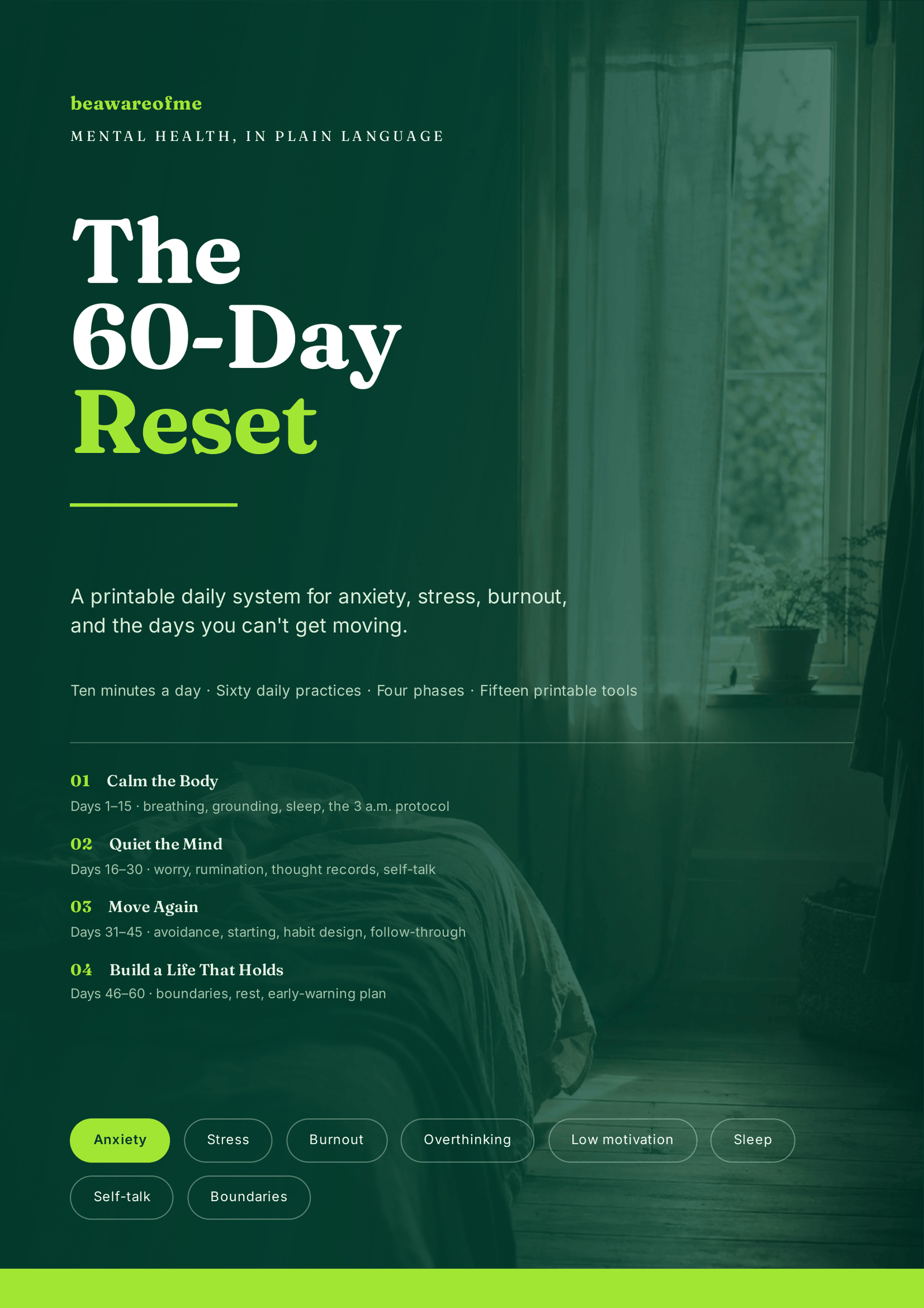
The 60-Day Reset
Everything on this page, sequenced into a printable ten-minute daily practice — 84 pages across anxiety, sleep, overthinking and low motivation, with a two-minute version of every day for the hard ones.
Instant PDF · 60 daily practices · 15 printable tools · Educational, not therapy
What do you think? Feel like this hits the mark?

Quiet the noise — without burning your phone in a field.
Get Beat Information Overload free, plus the occasional calm, no-hype note from me.