
If you need to stop a panic attack fast, it’s important to understand what’s happening. Panic attacks are sudden, overwhelming waves of fear and physical pain that can make you feel helpless, out of control, and extremely tired. While they aren’t life-threatening, their intense symptoms—like a racing heart, shortness of breath, dizziness, shaking, or chest tightness—can feel like a medical emergency and cause significant stress.

There's a version of this that asks you questions back.
An article can tell you what burnout is. A workbook makes you locate where you actually are in it, on paper, in your own handwriting. That's The Burnout Fix — ninety-odd pages of it.
Look at the workbook →It’s not enough to just learn how to stop a panic attack quickly; you also need to give yourself useful, reliable tools that you can use anywhere and anytime. Grounding techniques for anxiety are some of the best ways to reconnect with the present moment, calm racing thoughts, and feel safe again.
This article talks about evidence-based grounding techniques, explains how they work, and gives you a clear way to quickly calm down a panic attack. These methods are based on psychology, neuroscience, and mindfulness, so they will always be useful, no matter how mental health trends or therapies change.
Getting to Know Panic Attacks
Before looking into quick ways to calm down anxiety, it’s important to know what a panic attack is and why it happens.
What does it mean to have a panic attack?
A panic attack is a sudden and intense feeling of fear or discomfort that lasts for a few minutes. The American Psychiatric Association (APA) says that the symptoms are:

- Fast heart rate or palpitations
- Shaking and sweating
- Feeling like you can’t breathe or choking
- Pain or discomfort in the chest
- Nausea or pain in the stomach
- Feeling dizzy or faint
- Feeling numb or tingly
- Fear of losing control or “going crazy”
- Fear of death
These episodes can happen out of the blue or when something specific happens, like being in a crowded place, being stressed, or being reminded of a traumatic event.
There's a version of this that asks you questions back.
An article can tell you what burnout is. A workbook makes you locate where you actually are in it, on paper, in your own handwriting. That's The Burnout Fix — ninety-odd pages of it.
Look at the workbook →What causes panic attacks
The body’s natural reaction to danger is the fight-or-flight response, which is linked to panic attacks. When this system goes wrong, the brain sends out a signal that there is danger even when there isn’t, flooding the body with adrenaline. The result is strong physical feelings that make the fear cycle stronger.

How Grounding Works
Grounding techniques break this cycle by bringing your focus back to the present and away from uncomfortable thoughts and feelings. Grounding keeps you from getting scared about what “might happen” and instead keeps you focused on what is happening right now.
Step One: Know that You’re Having a Panic Attack
The first thing you need to do to stop a panic attack quickly is to realize what’s going on. This simple realization can help ease fear of the unknown.
- Tell yourself, “This is a panic attack.” It won’t kill you. “It will pass.”
- Keep in mind that most panic attacks reach their peak in 10 minutes and then go away in 20 to 30 minutes.
You start to take back control and get ready to use grounding techniques effectively by naming the experience.
Grounding Techniques That Work to Stop a Panic Attack Quickly
Grounding helps you get back in touch with your body and the world around you. Here are some strategies that are backed by research that can help you quickly feel better when you’re anxious or having a panic attack.

Most of what you read this week will be gone by Thursday.
That isn't a discipline problem. It's what happens to information you never write down. Beat Information Overload is a free 35-page workbook that turns reading into something that stays.
Get the free workbook No cost · unsubscribe in one click1. The 5-4-3-2-1 Method
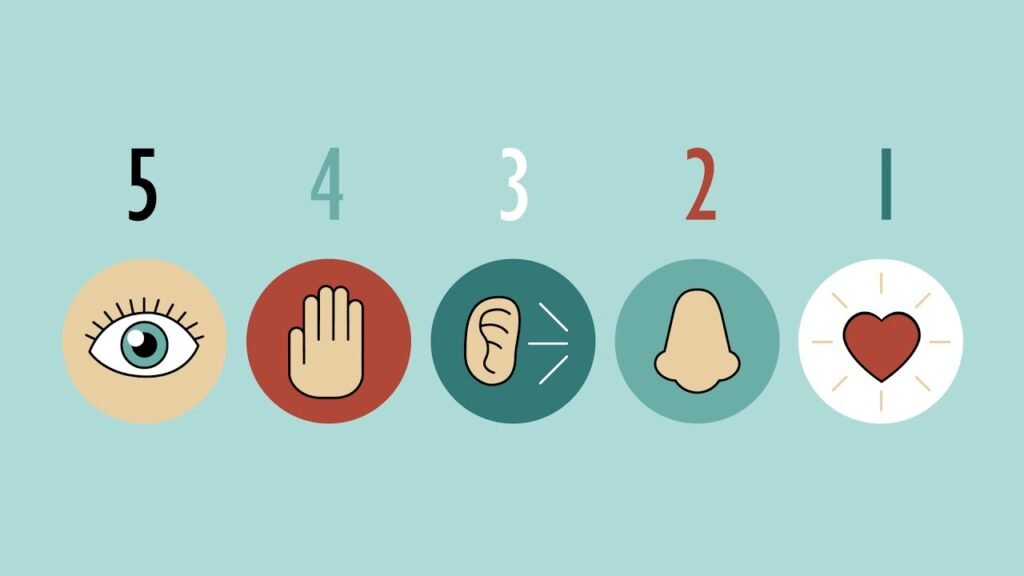
This technique uses your senses to redirect your attention, making it one of the most popular grounding exercises.
- 5: Look at five things you can see
- 4: Name four things you can feel
- 3: Tell three things you can hear
- 2: Say two things that you can smell
- 1: Concentrate on one thing you can taste
This sensory scan helps you stop your thoughts from going in circles and brings your mind back to the present.
Example: If you’re in an office, you might see a blue pen, hear typing, feel the texture of your chair, smell coffee, and taste mint gum.
2. Counting While You Breathe Deeply
Rapid breathing makes panic symptoms worse. Slow, deliberate breathing sends calming messages to the nervous system.
How:
There's a version of this that asks you questions back.
An article can tell you what burnout is. A workbook makes you locate where you actually are in it, on paper, in your own handwriting. That's The Burnout Fix — ninety-odd pages of it.
Look at the workbook →- Take a deep breath through your nose for four seconds
- Hold for two seconds
- Breathe out slowly through your mouth for six seconds
- Repeat for a few cycles
Breathwork and counting together help you focus and create a rhythm, which calms your racing thoughts.
3. Relaxing Your Muscles Over Time
Panic often comes with stress. You tell your body to relax by tensing and relaxing different muscle groups.
How to do it:
- Start with your toes and scrunch them up tightly for five seconds before letting go
- Move up: calves, thighs, stomach, hands, shoulders, and face
- Pay attention to the difference between being tense and being relaxed
This method not only takes your mind off of things, but it also makes you feel better physically.
4. Change in Temperature (Cold Therapy)

When you feel cold, your nervous system can “reset” itself by activating the diving reflex, which slows the heart rate.
- Put cold water on your face
- Keep an ice cube in your hand
- Put a cloth that is cool on your neck
The sudden change in temperature grounds you and stops the panic from getting worse.
5. Moving and Touching the Ground
Movement brings back a sense of control and awareness of the body.
- Lightly stamp your feet while you say what you feel
- Put your hands firmly on a wall
- Take your time and pay attention to each step
These things help you feel more connected to the real world.
6. Talking to Yourself in a Positive Way

When people are panicking, their thoughts often spiral out of control and include catastrophic thinking. Using logical affirmations to fight these can stop them from getting worse.
Some examples:
- “I’ve had panic attacks before, and I got through them.”
- “This feeling won’t last.”
- “This is just adrenaline; my body is safe.”
Repeating grounding phrases helps you feel better and stay focused.
7. Being Aware of What You See
Choose something nearby and look at it closely, paying attention to its color, shape, texture, shadows, and purpose.
When you look at something neutral, you move your mental energy away from fear and back to observation.
8. Using Numbers as Anchors
Numbers are well-structured and logical, which makes them great tools for grounding.
- Count down from 100 by sevens
- Say the multiplication tables
- Count the books on a shelf or the tiles on the floor
This structured activity keeps the mind busy until the wave passes.
Helping Long-Term Plans

While grounding techniques can help you stop a panic attack quickly, changing your habits over time can make episodes happen less often and be less intense.
There's a version of this that asks you questions back.
An article can tell you what burnout is. A workbook makes you locate where you actually are in it, on paper, in your own handwriting. That's The Burnout Fix — ninety-odd pages of it.
Look at the workbook →Mindfulness Practice on a Regular Basis
Meditating or being mindful every day makes you stronger by teaching your brain to come back to the present when you’re upset.
Exercise
Exercise releases endorphins, makes your heart healthier, and lowers your overall anxiety sensitivity.
Living a Balanced Life
Long-term stability comes from:
- Getting enough sleep
- Eating a healthy diet
- Cutting back on caffeine or alcohol
Help from Professionals
If you have panic attacks that keep coming back, your doctor may suggest:
- Cognitive Behavioral Therapy (CBT)
- Exposure therapy
- Medication
The National Institute of Mental Health (NIMH) says that therapy can help people with panic disorder feel better over time.
A Real-Life Example of Grounding in Action

Think about Sarah, a college student who has panic attacks when she takes tests.
- Before each test, she does the 5-4-3-2-1 technique and deep breathing
- She also keeps a small stone with a texture in her pocket to hold when she’s feeling stressed
Over time, these grounding tools made her feel more sure of herself and less likely to panic.
This shows that grounding can be used in real life in a useful, portable, and flexible way.
When to Get Help
Grounding can help in the moment, but if you have panic attacks often, it could be a sign of panic disorder or another problem. Get help from a professional if:
- Panic attacks happen over and over again and without warning
- People avoid doing things every day because they are afraid of future attacks
- Symptoms make it hard to work, go to school, or get along with others
A mental health professional can make plans, give therapy, and rule out medical reasons.
Main Points

- Panic attacks are very bad, but they don’t kill you
- Recognizing what’s going on is the first step to stopping a panic attack quickly
- The 5-4-3-2-1 method, deep breathing, and muscle relaxation are all grounding techniques for anxiety that can help calm the body and mind
- Mindfulness, exercise, and professional help are all long-term practices that lower the risk of recurrence
- You can always get back in control with quick, useful grounding tools
Final Thoughts
Knowing how to stop a panic attack quickly gives you the strength to deal with anxiety. Grounding techniques are timeless; they’re easy to use in everyday life but strong enough to stop even the worst panic. You can lessen the severity and frequency of panic attacks by using both short-term grounding techniques and long-term lifestyle changes.
Keep in mind that panic attacks are only temporary, can be survived, and can be controlled. These tools will become second nature with practice, and they will help you stay calm when things get crazy.

Quiet the noise — without burning your phone in a field.
Get Beat Information Overload free, plus the occasional calm, no-hype note from me.