Everyone’s mood changes from time to time. Stress, tiredness, not getting enough sleep, and even what we eat can all affect how we feel. Some people need professional help and therapy, but many others can improve their emotional health naturally by using simple, evidence-based methods. These strategies, which are often called “natural mood boosters,” are certain foods, ways of living, and daily routines that help keep your mind and emotions in balance over time.

It's rarely a motivation problem. It's five apps and no single page.
Habits in one place, money in another, notes in a third, and nowhere that shows you how the month is actually going. The Digital Life Planner is one spreadsheet that holds all of it and does the arithmetic while you get on with your life.
See how it works →Natural mood boosters are based on science, old wisdom, and practices that have worked for a long time, unlike quick fixes or passing fads. This article talks about foods that make you feel better, habits that make you happy, and routines that anyone can do every day to feel better for good.
Why Natural Mood Boosters Are Important

Life today is fast-paced and full of demands. A lot of people turn to caffeine, sugar, or even drugs to deal with stress and low mood. These may help for a short time, but they don’t usually help with mental health in the long run.
Natural mood boosters, on the other hand:
- Don’t fight your body’s biochemistry; work with it.
- Nutrition, exercise, and lifestyle can all help you in the long run.
- Over time, you will become better at dealing with stress.
- Improve your mental and physical health at the same time.
These methods are not new. To stay mentally healthy, ancient cultures used herbs, balanced diets, meditation, and exercise. Today, scientific research backs up a lot of what traditional wisdom said: making long-lasting changes to your lifestyle can make you feel better and improve your quality of life.
Part 1: Foods That Make You Feel Better

Nutrition has a direct effect on how the brain works and how emotions are controlled. Some foods have important nutrients that help neurotransmitter activity, lower inflammation, and keep blood sugar levels stable. All of these things are linked to mental health.

1. Omega-3 Fatty Acids
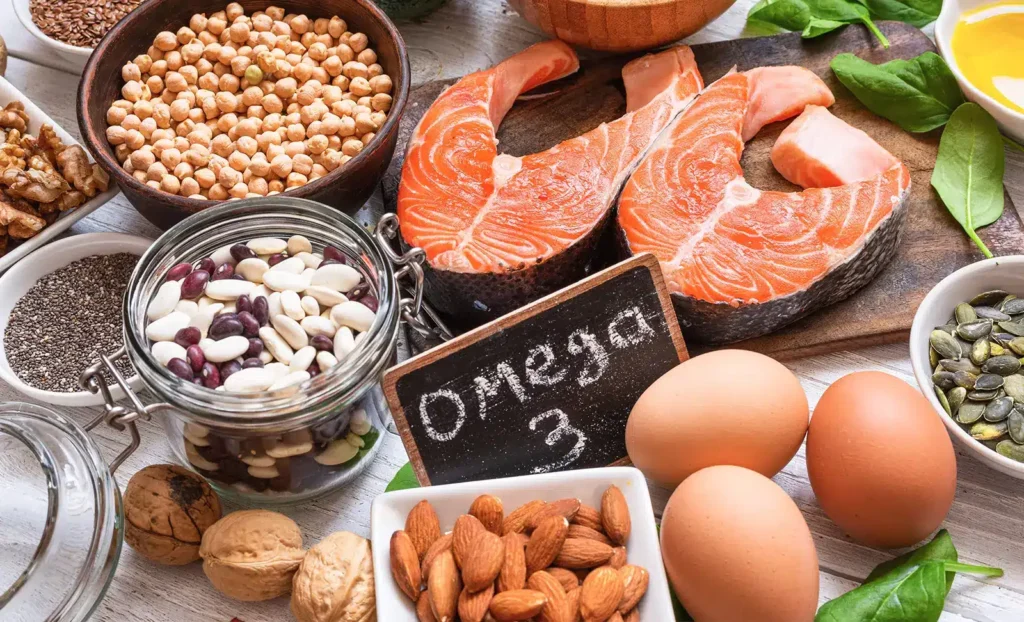
Omega-3s are good for your brain and may help with depression. They are found in fatty fish like salmon, mackerel, and sardines. According to a study published in the Journal of Clinical Psychiatry, people who eat more omega-3s say their mood is more stable overall.
Other sources include:
- Algae oil (for plant-based diets)
- Chia seeds
- Flaxseeds
- Walnuts
2. Carbohydrates That Are Hard to Digest

Carbohydrates help the body make serotonin, a neurotransmitter that makes people feel happy and calm. To keep your blood sugar steady, choose whole grains like:
- Oats
- Brown rice
- Quinoa
instead of refined carbs.
3. Vegetables and Leafy Greens

Kale, spinach, and broccoli are good sources of:
- Folate
- Magnesium
- Antioxidants
Low mood is linked to a lack of folate, and magnesium helps keep stress levels in check.
4. Foods That Have Been Fermented

The gut-brain axis has a strong link between gut health and mood. Fermented foods include:
- Yogurt
- Kefir
- Kimchi
- Sauerkraut
These foods are good for your gut bacteria, which in turn affects how your brain makes neurotransmitters.
5. Fruits and Berries

Blueberries, strawberries, and oranges are high in:
- Vitamin C
- Antioxidants
These nutrients help fight oxidative stress, which is often linked to anxiety and tiredness.
6. Dark Chocolate

Eating dark chocolate (70% cocoa or more) in moderation can make you feel better by raising serotonin and endorphin levels. Research suggests it may also lower stress hormones.
7. Herbal and Green Teas
- Green tea contains L-theanine, an amino acid that helps you relax without making you sleepy.
- Chamomile and lavender teas have been used for a long time to calm people down.
Tip: Instead of focusing on one “superfood,” try to eat a balanced diet that always includes these nutrient-dense foods.
Part 2: Things You Do Every Day to Be Happy
The way we structure our daily lives has a big effect on our mood, in addition to what we eat. Long-term habits that make you happy make you mentally stronger, lower your stress levels, and promote long-term health.
1. Working Out Regularly

Exercise is one of the best natural ways to improve your mood. Exercise:
- Releases endorphins, which are good for you
- Lowers stress hormones
Types of exercise:
- Aerobic exercise: Running, biking, swimming helps you control your mood
- Strength training: Lifting weights builds self-confidence and physical resilience
- Gentle activities: Walking, stretching, or doing yoga help you relax and find balance
Studies show that people who work out regularly are less likely to be depressed or anxious.
2. Sleep Routines That Are Always the Same

Sleep directly affects mood. Not getting enough sleep can make you:
- Irritable
- Tired
- Unable to handle stress
Setting regular sleep patterns, like going to bed at the same time every night and cutting back on screen time before bed, helps keep your emotions stable.
3. Ways to Deal With Stress
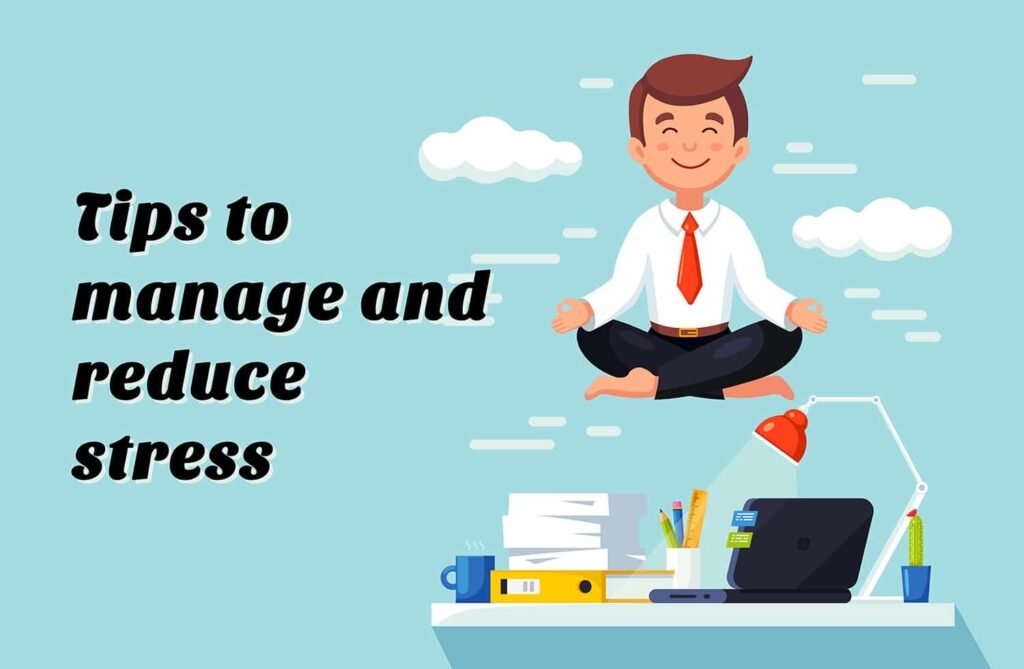
Stress that lasts a long time drains your energy and makes you feel bad. Adding calming activities back into your life can help you get back on track:
It's rarely a motivation problem. It's five apps and no single page.
Habits in one place, money in another, notes in a third, and nowhere that shows you how the month is actually going. The Digital Life Planner is one spreadsheet that holds all of it and does the arithmetic while you get on with your life.
See how it works →- Mindfulness meditation: Helps you focus and stops you from thinking too much
- Breathing exercises: Taking slow, deep breaths can help you relax
- Progressive muscle relaxation: Relaxes tense muscles
4. Time Spent in Nature

Being in nature can change your mood in ways that can be measured. Research shows that being outside for at least 20 minutes:
- Lowers cortisol levels
- Makes you feel more alive
5. Writing in a Journal and Being Thankful

Thinking about good things that have happened makes you stronger and happier. Writing down three things you’re thankful for every day can change how you think and feel.
Read Also: Journaling for Mental Health: Best Prompts & Techniques
6. Making Friends
People are wired to connect with each other. Strong relationships:
- Give emotional support
- Make you feel less alone, reducing risk of depression
7. Kindness
Oxytocin, sometimes called the “bonding hormone,” is released when you help someone else. Even small things, like saying something nice or helping a neighbor, can improve your emotional well-being.
Part 3: Routines That Really Help Your Mood
Daily routines give our lives structure. Making routines that intentionally boost your mood ensures they happen consistently and reduces decision fatigue.
Morning Routine to Start Your Day Off Right

- Hydration: Start with a glass of water to give your body energy
- Stretching or a short workout: Helps your blood flow
- Mindful planning: Go over your priorities for the day with purpose
- Healthy breakfast: Include protein and whole grains for steady energy
Midday Routine to Get Your Energy Back
- Take breaks: Short breaks help you stay focused and avoid burnout
- Healthy snacks: Nuts, fruit, or yogurt instead of processed foods
- Movement: Every hour, get up, walk around, or do some light stretches
Evening Routine to Help You Relax

- Digital detox: Reduce screen time an hour before bed
- Relaxing activities: Herbal tea, light reading, or journaling
- Gratitude practice: Reflect on the good things that happened during the day
People create a rhythm that naturally improves their emotional health by making mood-boosting routines part of their daily lives.

Most of what you read this week will be gone by Thursday.
That isn't a discipline problem. It's what happens to information you never write down. Beat Information Overload is a free 35-page workbook that turns reading into something that stays.
Get the free workbook No cost · unsubscribe in one clickPart 4: Basic Knowledge and Expert Advice
The Function of Neurotransmitters
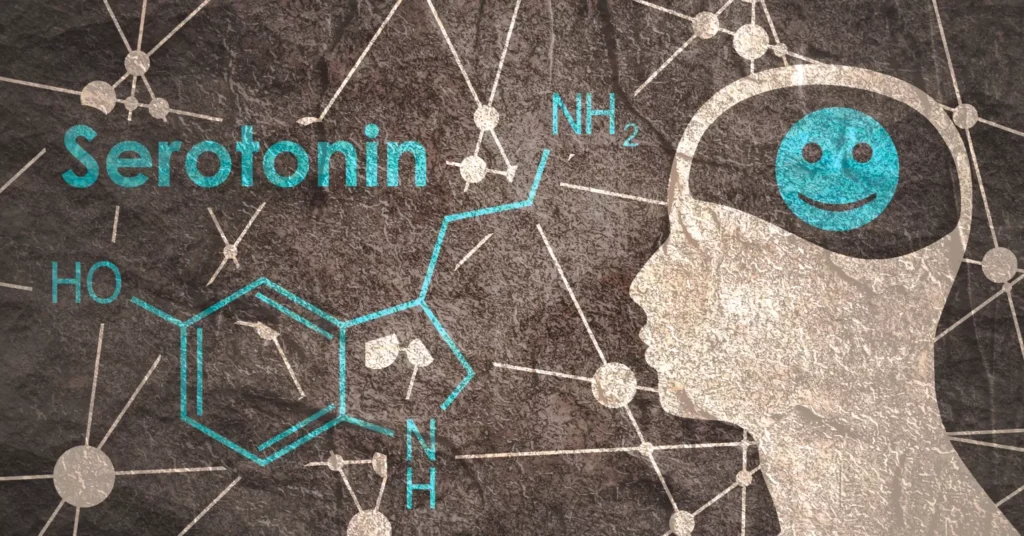
- Serotonin: Connected to feeling good, affected by diet and sunlight
- Dopamine: Linked to motivation and reward; exercise and success can boost it
- Endorphins: Natural painkillers released during exercise
- GABA: Helps you relax, supported by breathing and meditation
Advice From Experts
- The American Psychological Association stresses mindfulness and physical activity as important non-drug ways to control mood
- Nutritional psychiatry, a burgeoning discipline, underscores the correlation between dietary quality and mental health outcomes
Part 5: Uses in the Real World
- Busy Professionals: Taking short walks, eating healthy snacks, and taking planned breaks can help you work better and feel better
- Parents: Simple things like family meals, playing outside, and bedtime rituals help keep both kids and parents emotionally stable
- Students: Eating a balanced diet, taking study breaks, and doing mindfulness exercises can help focus and reduce stress
- Older Adults: Social activities, light exercise, and omega-3-rich foods support mental and emotional health
Part 6: Strategies for the Long Term
Natural mood boosters don’t work right away; consistency is key. When foods, habits, and routines become a part of everyday life, change lasts.
Tips for sustainability:
- Begin with small steps: Add one new habit at a time
- Keep track of progress: Journaling helps you see improvement
- Be adaptable: Change routines to fit your needs
- Build support systems: Get family or friends involved in healthy changes
Part 7: Myths vs. Evidence
- Myth: Only supplements can make you feel better
- Reality: Whole foods and balanced diets work better long-term
- Myth: Exercise has to be intense to help
- Reality: Light, regular activity improves mood
- Myth: Only external factors determine happiness
- Reality: Internal habits and routines are key for emotional resilience
Final Thoughts
Natural mood boosters, like foods that make you feel better, happy lifestyle habits, or structured routines, are reliable and long-lasting ways to support emotional health. People can naturally build resilience, lower stress, and boost happiness by eating well, developing healthy habits, and setting up routines intentionally.
The most important thing is consistency. Over time, small, long-lasting changes can lead to big improvements. Instead of looking for quick fixes, using these timeless strategies will help you stay mentally and emotionally healthy for a long time.

Quiet the noise — without burning your phone in a field.
Get Beat Information Overload free, plus the occasional calm, no-hype note from me.