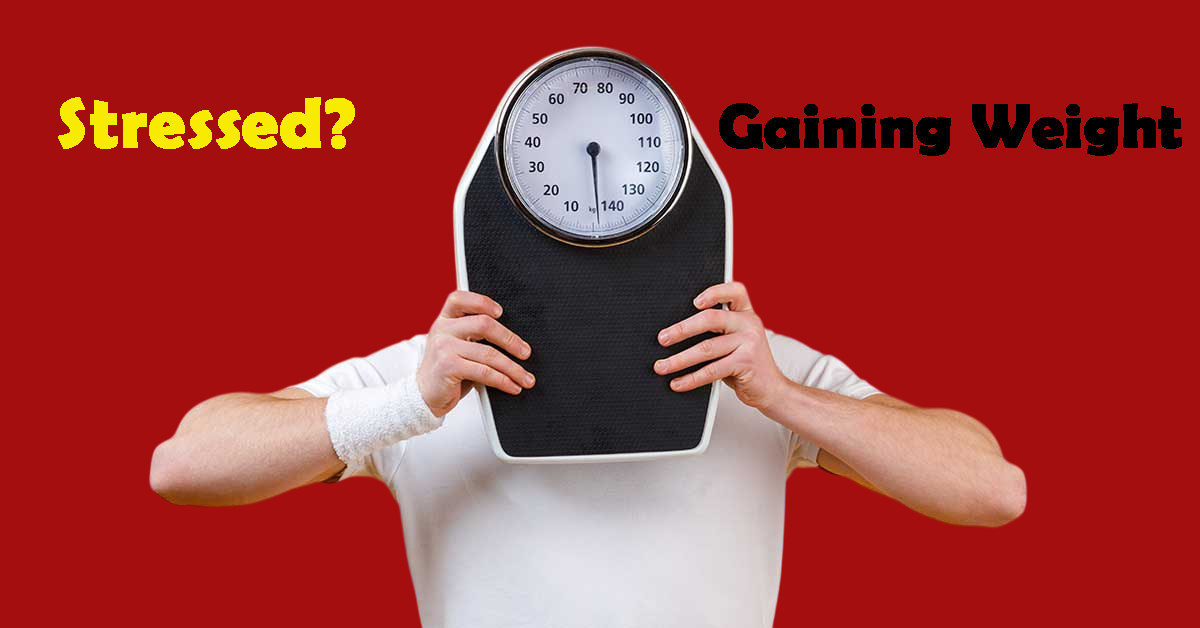

People often look for the 7 signs of high-functioning anxiety because this condition is hard to spot. People with high-functioning anxiety look calm, successful, and in control on the outside, but on the inside, they are always worried, overthinking, and criticizing themselves. High-functioning anxiety doesn’t always get in the way of work or relationships, unlike regular anxiety. Instead, it hides behind success, productivity, and the need to be perfect, which makes it harder to see and talk about.
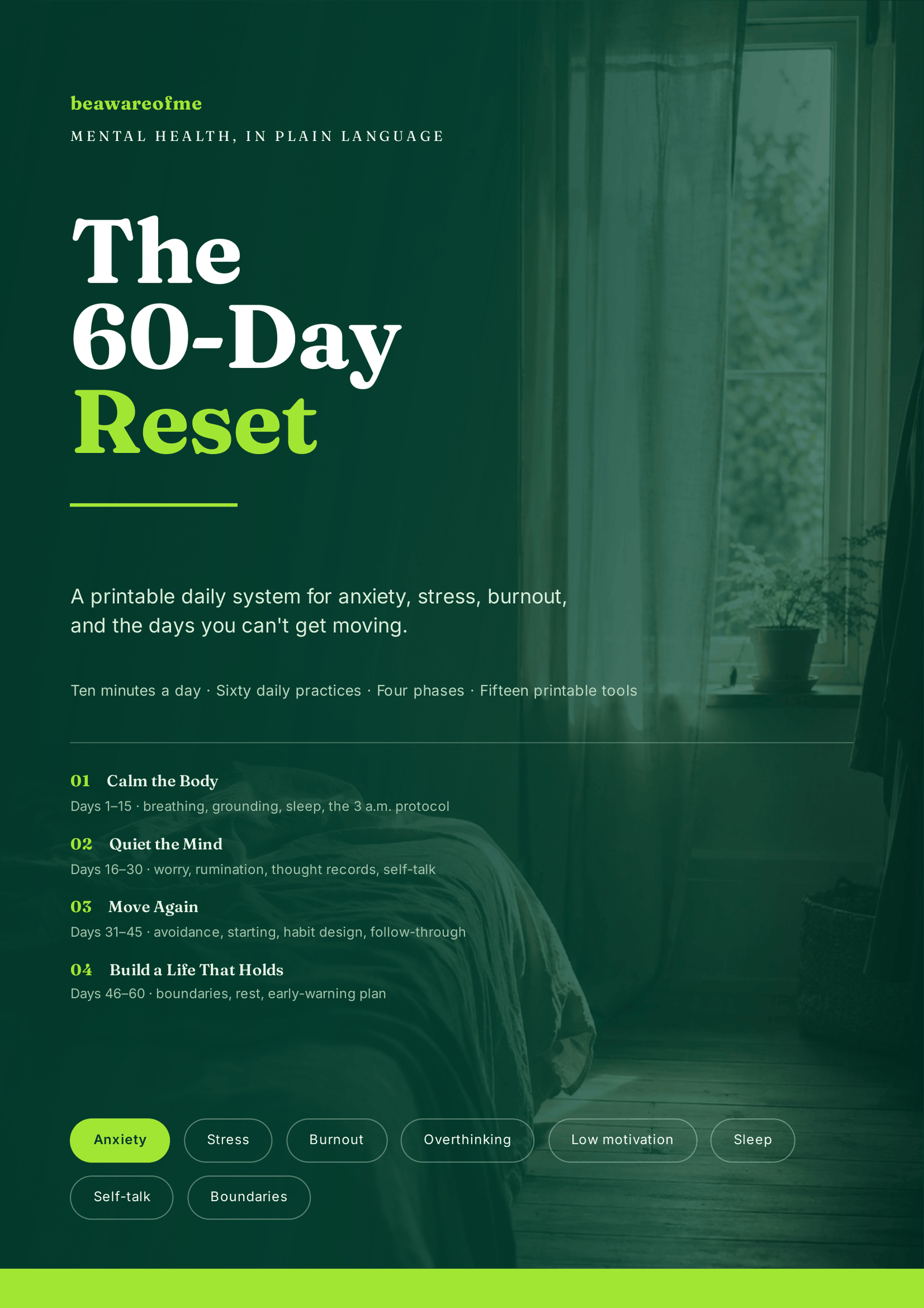
The 60-Day Reset
Everything on this page, sequenced into a printable ten-minute daily practice — 84 pages across anxiety, sleep, overthinking and low motivation, with a two-minute version of every day for the hard ones.
Instant PDF · 60 daily practices · 15 printable tools · Educational, not therapy
This full guide will cover the seven signs of high-functioning anxiety, as well as its causes, effects, ways to deal with it, and when to get professional help. This article is meant to be a long-lasting resource that gives you insights that will still be useful for years to come.
What is High-Functioning Anxiety?

The Diagnostic and Statistical Manual of Mental Disorders (DSM-5) does not officially recognize high-functioning anxiety, but many mental health professionals do. People with high-functioning anxiety are able to keep their jobs, relationships, and daily duties, but they may feel stressed, tired, and afraid of failing all the time.
High-functioning anxiety is different from generalized anxiety disorder (GAD) because it can look like someone is doing well on the outside. This hiding makes it harder to find people who are sick, and they often go unnoticed, which delays help and coping strategies.
Some important traits of high-functioning anxiety are:
- Constantly worrying and overthinking
- Being a perfectionist and being hard on yourself
- Hard to relax, even when you have free time
- Afraid of being judged or failing
Knowing the seven signs of high-functioning anxiety can be an important first step in understanding and dealing with it.

There's a version of this that asks you questions back.
An article can tell you what burnout is. A workbook makes you locate where you actually are in it, on paper, in your own handwriting. That's The Burnout Fix — ninety-odd pages of it.
Look at the workbook →1. Always thinking too much and having racing thoughts

One of the most common signs of high-functioning anxiety is thinking too much all the time. Everyone worries from time to time, but people with high-functioning anxiety have thoughts that are intrusive and repetitive, which can take over their day.
Example from the real world
A professional might do well in a meeting, but afterward, they go over every word, gesture, or choice they made, thinking about what they could have done wrong and how others might see them. This mental replay can cause extra stress, even if everything went well in reality.
Why It Happens
A lot of the time, high-functioning anxiety comes from a brain that is too good at finding threats. The amygdala, which is in charge of processing fear and stress, can send out signals of danger even when there isn’t any, which can lead to a cycle of worry and rumination.
How to Deal with Overthinking:
- Mindfulness meditation can help you focus your thoughts
- Writing down your worries in a journal can help clear your mind
- Set aside “worry time” so that anxiety doesn’t take over your whole day
2. Wanting to be perfect and being afraid of failing

People with high-functioning anxiety often have very high expectations for themselves and are afraid of not meeting them. Perfectionism can push you to do your best and keep you under pressure all the time.

Understanding why it happens doesn't make it stop.
You can know exactly what your nervous system is doing at 3 a.m. and still be awake at 3 a.m. Reading is where it starts. The Calm Reset Bundle is the part where you do something about it.
See the bundle →Example from the Real World
A student might get the best grades but spend hours going over an assignment again and again to fix small mistakes because they are afraid that anything less than perfect will make them look bad. To avoid criticism at work, a professional may take on too many tasks, even if it means giving up rest or personal time.
How It Shows Up
- Not wanting to give tasks to others because you’re afraid they won’t do them right
- Always looking for proof or comfort
- Fear of starting tasks wrong has made me put them off
Ways to Deal:
- Make sure your goals are realistic and possible
- Instead of just thinking about the end result, celebrate small wins
- Be kind to yourself and fight against negative self-talk
3. Too much planning and getting ready

A need for control is a common sign of high-functioning anxiety. To avoid making mistakes or not knowing what to do, people may spend hours planning and getting ready. Being organized is usually a good thing, but getting ready too much can be a sign of anxiety.
Example from the Real World
Even though the event is routine, a professional might show up two hours early, go over every line of their speech, and check every slide several times.

It's rarely a motivation problem. It's five apps and no single page.
Habits in one place, money in another, notes in a third, and nowhere that shows you how the month is actually going. The Digital Life Planner is one spreadsheet that holds all of it and does the arithmetic while you get on with your life.
See how it works →Why It Happens
This behavior is driven by a fear of failing or being judged. People who overprepare feel better for a short time, but the cycle of anxiety keeps going, which makes them mentally tired.
Ways to Cut Down on Over-Preparation:
- Set a time limit for preparation and stick to it
- Understand that making mistakes is a part of growing
- Put more emphasis on effort than on results
4. Signs of Anxiety in the Body

People with high-functioning anxiety often show physical signs of their anxiety, even if they look calm on the outside. The body reacts to long-term stress by showing these symptoms, which can include:
- Muscle tension or long-lasting pain
- Headaches or migraines
- Problems with the stomach, like nausea or diarrhea
- Tired even after getting enough sleep
Example from the Real World
A manager can lead a team well without showing stress on the outside, but they may have tight shoulders, a racing heart, or trouble sleeping at night because they are anxious.
How to Handle It Physically
- Exercise regularly to lower stress hormones
- Deep breathing or relaxing your muscles one at a time
- A regular sleep schedule and good sleep hygiene
5. Not being able to say no and taking on too much

People with high-functioning anxiety often have trouble setting limits. Fear of letting others down or being judged can make you take on more than you can handle.
Example from the real world
An employee may volunteer for more than one project at a time, even though they know they can’t handle it, because they don’t want to say no. A parent might take on too many social or extracurricular activities at home.
What Causes It
People who have high-functioning anxiety often think that their worth is based on how much they get done and how much people like them. This makes it hard to set limits.
Ways to Deal with Overcommitment:
The 60-Day Reset
Everything on this page, sequenced into a printable ten-minute daily practice — 84 pages across anxiety, sleep, overthinking and low motivation, with a two-minute version of every day for the hard ones.
Instant PDF · 60 daily practices · 15 printable tools · Educational, not therapy
- Learn how to communicate in an assertive way
- Use the Eisenhower Matrix to decide what tasks are most important and what are most urgent
- Make time for yourself non-negotiable
6. Criticizing Yourself and Putting Pressure on Yourself

People with high-functioning anxiety often have harsh conversations with themselves. They may do well on the outside, but on the inside, they criticize themselves for every little thing they think is wrong.
Example from the real world
Someone with high-functioning anxiety may only think about a small mistake or mispronounced word after giving a perfect presentation, ignoring how well it went overall.
Ways to Deal
- Instead of thinking bad things, think about things that are true
- Write in a gratitude journal to change your focus from what you don’t like to what you do like
- Get therapy to change the way you think (CBT methods work very well)
7. Trouble relaxing and having fun in your free time

People with high-functioning anxiety may feel restless or guilty for taking a break, even when they have time off. The mind doesn’t stop very often, which can lead to tiredness and burnout.
Example from the real world
Someone on vacation might check work emails all the time, plan every minute, or worry about not getting anything done.
Useful tips for relaxing
- Do hobbies that require you to be present, like painting, reading, or gardening
- Set aside time on purpose to be “unplugged” and not use any devices
- Do guided relaxation or meditation exercises
What Causes High-Functioning Anxiety
There are many things that can affect high-functioning anxiety, such as:
- Genetics: A family history of anxiety can heighten vulnerability
- Personality traits: a tendency to be conscientious, high-achieving, and a perfectionist
- Environmental factors: stressful jobs, things that happened when you were a kid, or high expectations
- Neurobiology: Imbalances in neurotransmitters such as serotonin and GABA can play a role
Knowing what caused the problem helps you come up with effective ways to deal with it and get help from professionals.
Effect on Daily Life
High-functioning anxiety can still have bad effects on:
- Mental health: Higher chance of depression, burnout, and trouble sleeping
- Physical health: Chronic stress can cause heart disease, digestive problems, or a weaker immune system
- Relationships: Anxiety can make you irritable, avoid people, or rely too much on others
- Professional life: Being too busy, being afraid of making mistakes, and getting burned out can all hurt your long-term career growth
Diagnosis and Help from Professionals

Even though high-functioning anxiety isn’t a real medical diagnosis, it often overlaps with generalized anxiety disorder (GAD) or other anxiety disorders. Mental health professionals are able to:
- Find out how bad the anxiety is
- Give cognitive-behavioral therapy (CBT) or other treatments that have been shown to work
- If necessary, suggest medication
- Teach people how to deal with stress and how to cope with it
Professional help makes sure that problems are dealt with early and stops them from getting worse over time.
Ways to deal with and manage stress
Even without a formal diagnosis, there are a few things you can do to deal with high-functioning anxiety:
Cognitive Strategies
- Writing in a journal to get worries out of your head
- Using CBT principles to fight negative thoughts
- Being kind to yourself
Changes to your way of life
- A balanced diet and exercise on a regular basis
- Cutting back on caffeine and alcohol, which can make anxiety worse
- Setting up regular sleep schedules
Being aware and calm
- Meditation or breathing exercises with a guide
- Tai chi or yoga
- Walking in nature with awareness
Help from friends
- Talk to friends or family you can trust
- Join groups that help each other
- When you need it, get professional counseling
When to Get Help from a Professional
If you need help, see a professional.
- Anxiety gets in the way of work or daily life
- Self-care does not help the symptoms go away
- It happens a lot that people have physical symptoms, like heart palpitations or stomach problems
- People may feel hopeless, have panic attacks, or be depressed
Early help can stop things from getting worse and make long-term health better.
Questions and Answers About High-Functioning Anxiety
Can having high-functioning anxiety make you burn out?
Yes, the constant pressure to do well and the stress that builds up inside can cause emotional and physical burnout over time.
Is having high-functioning anxiety the same as being a perfectionist?
No. Perfectionism is a common trait of high-functioning anxiety, but anxiety also includes constant worry, internal pressure, and physical symptoms.
Can medicine help with anxiety that works well?
If your symptoms are very bad or are similar to those of an anxiety disorder, medication may help. You can get help from a licensed mental health professional.
What can I do to help someone I care about who has high-functioning anxiety?
Help them set limits and practice relaxation techniques, and offer support without judging them.
To sum up
Many successful people have high-functioning anxiety, which is a hidden problem. The first step to understanding and dealing with high-functioning anxiety is to be aware of the seven signs: overthinking, perfectionism, over-preparation, physical symptoms, overcommitment, self-criticism, and trouble relaxing.
People with high-functioning anxiety may seem successful on the outside, but it’s important for their long-term mental and physical health to learn how to deal with stress and emotional pressure. People can keep functioning while lowering anxiety’s hidden burden with the help of awareness, coping strategies, and professional help.
Take control: Being aware of your high-functioning anxiety and using proactive strategies can turn it from a silent battle into manageable problems, letting you do well in both your personal and professional life.

Quiet the noise — without burning your phone in a field.
Get Beat Information Overload free, plus the occasional calm, no-hype note from me.