
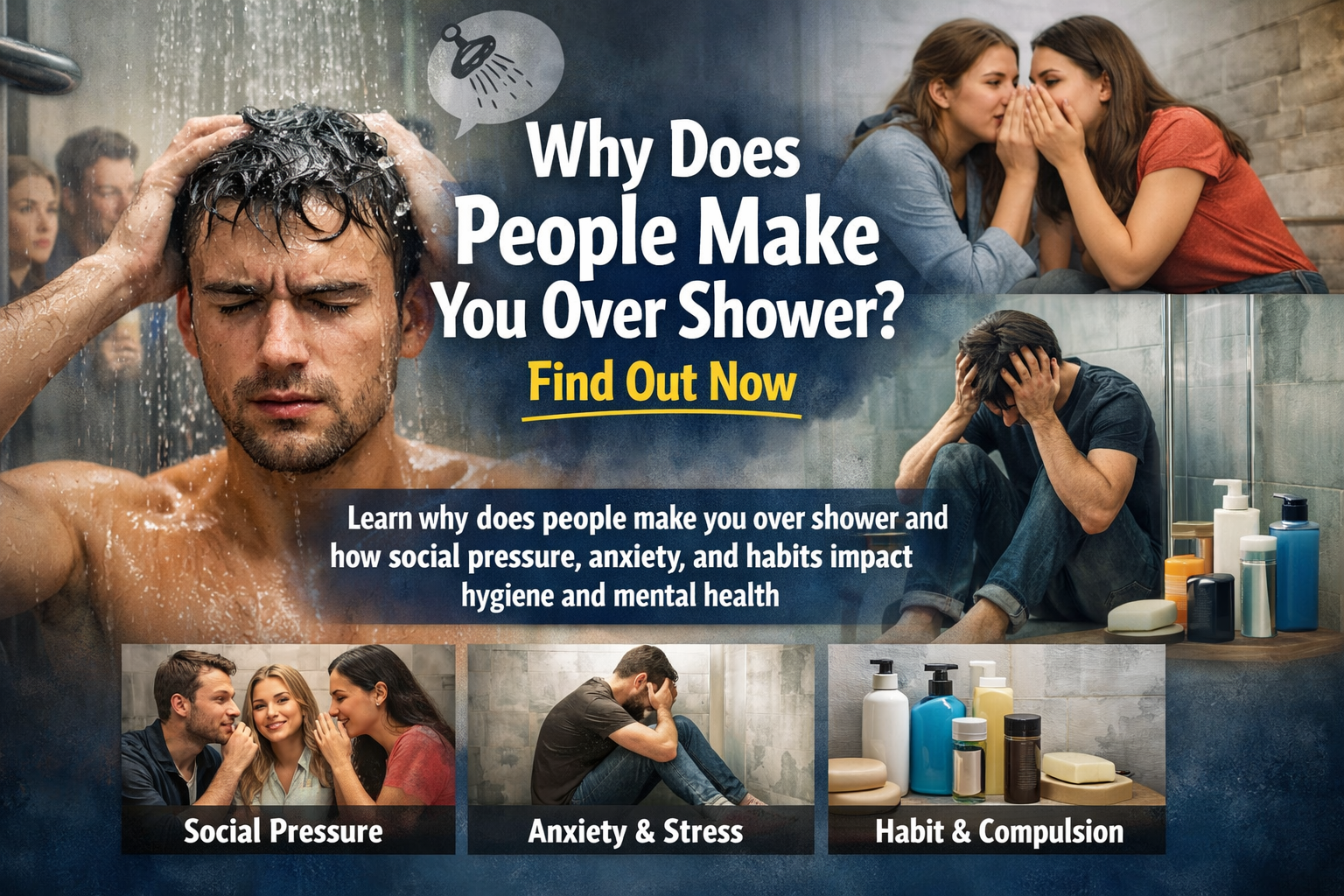
Taking a shower is a normal part of life that makes you feel clean, refreshed, and confident. But sometimes, this routine goes too far, not because of hygiene needs but because of outside pressure. This makes many people wonder: why do people make you shower too much?

It's rarely a motivation problem. It's five apps and no single page.
Habits in one place, money in another, notes in a third, and nowhere that shows you how the month is actually going. The Digital Life Planner is one spreadsheet that holds all of it and does the arithmetic while you get on with your life.
See how it works →People don’t usually shower too much just to be clean. It can be affected by what other people expect, anxiety, the way people interact with each other, and emotional stress. To get back control of your body, set healthy boundaries, and stay mentally and physically healthy, you need to understand why you act this way.
This guide goes into great detail about why people make you over-shower, the psychological and social factors at play, how it affects your health, and practical ways to get things back in balance.
What it Really Means to Over-Shower

Hygiene isn’t the only reason to shower too much. It could include:
- Taking a shower several times a day even when you don’t need to
- Long, ritualistic showers that are caused by anxiety or compulsion
- Taking a shower to deal with stress, fear, or judgment
Showering is good for you, but too much of it can hurt your skin, get in the way of your daily life, and show that you have deeper emotional problems. What matters is why the person acted that way.
What Social Pressure Does

External factors are one of the main reasons people shower too much. People are social beings, and the rules of society can have a big impact on how clean people are.
The 60-Day Reset
Everything on this page, sequenced into a printable ten-minute daily practice — 84 pages across anxiety, sleep, overthinking and low motivation, with a two-minute version of every day for the hard ones.
Instant PDF · 60 daily practices · 15 printable tools · Educational, not therapy
Fear of Being Judged
Even casual comments about smell, looks, or hygiene can have a lasting effect. Things like:
- “Did you take a shower today?”
- “You smell different.”
- “You need to wash again.”
…can make people anxious and cause them to shower more often to protect themselves.
Expectations from Family and Culture
In a lot of homes and communities, being clean is linked to being moral, respectful, or disciplined. Strict rules about bathing can make people feel like they have to shower all the time. When other people enforce these rules, whether they mean to or not, it makes people believe that showering is linked to being accepted or valued.
Power, Control, and Emotional Manipulation
Over-showering can happen in relationships when one person tries to control or manipulate the other.
- Family: Parents may require multiple showers daily, not for hygiene, but to ensure compliance.
- Romantic partners or friends: Criticizing someone’s hygiene can make them feel ashamed or dominant, which can make them overcompensate.
- Work or social situations: People may shower more often than they need to because they feel pressure to look “presentable.”
In these cases, taking a shower is more of a way to avoid conflict or rejection than a way to take care of yourself.
Anxiety and Behaviors That Can’t Be Stopped
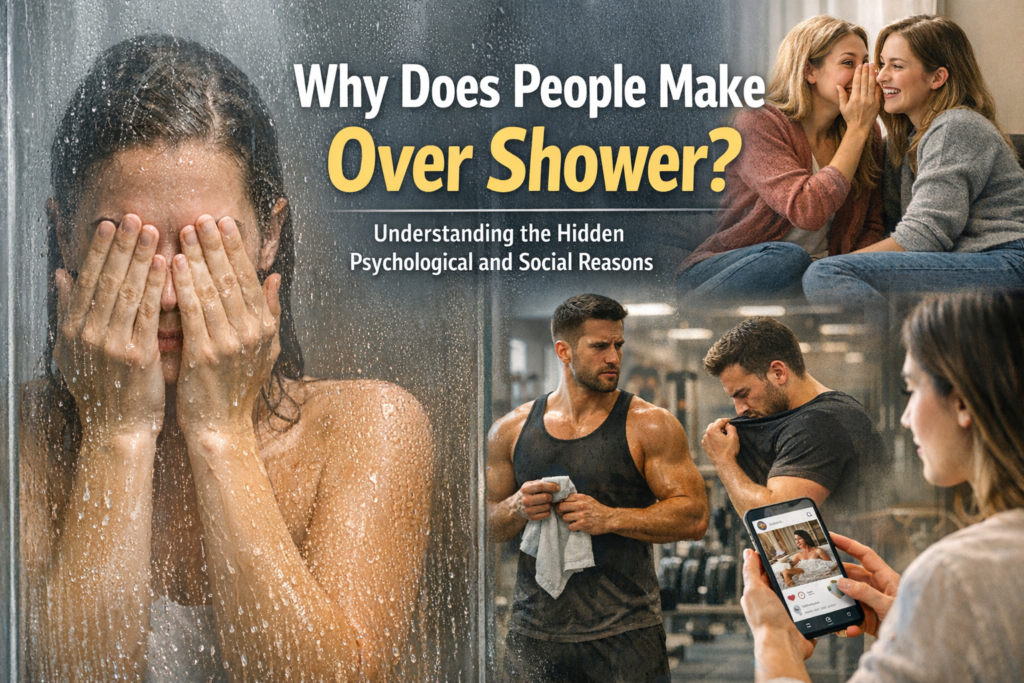
Psychological factors frequently exacerbate excessive showering.
Taking a Shower to Deal with Stress
Taking a warm bath and having some alone time can help with anxiety, stress, or pain for a short time. This coping mechanism gets stronger if someone has been taught that they have to shower to be “acceptable.”
Fear of Getting Sick
Some people become more sensitive to sweat, natural body oils, or even small smells. Comments from outside sources or implied criticism make this fear worse, leading to a cycle of taking showers over and over again.
Connections to Mental Health
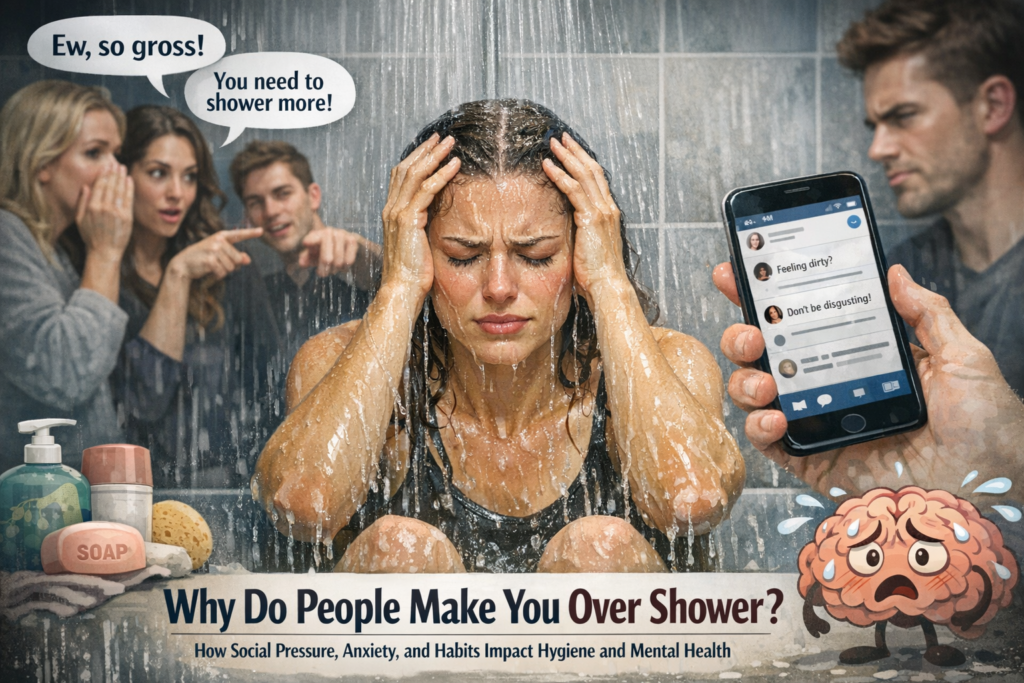
Taking too many showers is often linked to deeper emotional and mental patterns.
Thoughts That Are Too Much
Thoughts that get in the way, like:
- “I’m dirty”
- “People won’t want me”
- “I have to take another shower to feel safe.”
…can make people do things they don’t want to do. Societal or relational pressure often makes these thoughts stronger.
Low Self-Esteem and Body Image
People who think their natural body isn’t good enough often go overboard with hygiene. This becomes less about being clean and more about how you feel about yourself over time.
The Effects of Too Many Showers on Your Body
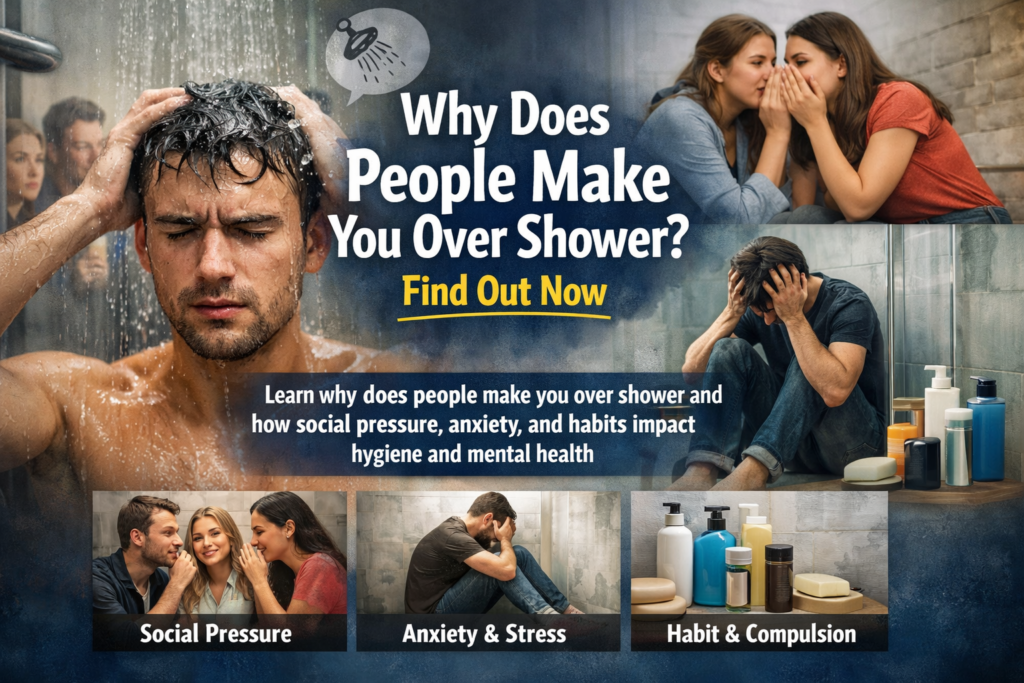
Taking too many showers can be bad for your health:
- Skin: Removing natural oils makes it dry, irritated, and sensitive.
- Hair: Washing your hair too often can make it and your scalp less healthy, which can lead to dandruff or damage.
- Immune defense: Washing your skin too much can kill off good bacteria, which can make your skin less protected.
These effects can make people more anxious about being “unclean,” which makes the cycle worse.
Emotional and Social Effects
Taking too many showers can affect your mental health:
- Loss of control over one’s own body
- Constantly checking in on yourself and being very aware of how you smell or look
- Fear of being judged makes people withdraw from social situations
To get back in charge, you need to know how these things affect you.
Why Kids and Teens Are Affected More Than Adults
Young people are very sensitive to pressure from the outside:
- Parental enforcement: Even when parents mean well, they can teach shame.
- Peer pressure: Teens often take teasing or comments about body odor to heart, which makes them shower too much.
Early experiences set the stage for long-term habits, so help and intervention are very important.
Recognizing Bad Showering Habits
Important signs that you are showering too much:
The 60-Day Reset
Everything on this page, sequenced into a printable ten-minute daily practice — 84 pages across anxiety, sleep, overthinking and low motivation, with a two-minute version of every day for the hard ones.
Instant PDF · 60 daily practices · 15 printable tools · Educational, not therapy
- Taking more than one shower a day without needing to
- Feeling anxious if you can’t shower
- Showering because of emotional pain instead of cleanliness
- Feeling “dirty” even though you wash your hands regularly
- Dealing with constant outside pressure
Ways to Get Back to Healthy Showering Habits
- Take Back Control of Your Body
Remember that your body is yours and that you can choose how to keep it clean. You shouldn’t be afraid to take a shower. - Make Your Limits Clear
If someone’s comments are making you feel bad, talk to your family, partner, or friends. Be polite but firm when you say what you want for your hygiene. - Pay Attention to What Your Body Is Saying
Listen to your body when it sweats, gets dirty, or smells. Instead of what other people expect of you, trust these signs. - Don’t Mix Hygiene With Worth
Value is not based on cleanliness. Strengthening this way of thinking lowers anxiety and compulsive behavior. - Showering With Care
Don’t feel like you have to take a shower; instead, make it a relaxing part of your self-care routine. Set limits on time and frequency based on how comfortable you are, not how scared you are.
A List of Things You Can Do to Stop Showering Too Much
- Keep track of how often you shower now
- Find out what makes you anxious, like criticism or peer pressure
- Make a plan for when you can shower
- Instead of taking showers, try other ways to cope, like washing your hands, washing your face, or meditating
- Say nice things to yourself, like “I am clean and good enough as I am”
Questions and Answers About Over-Showering
Q: Is it bad for your health to shower too much?
A: Yes. Washing too much can remove natural oils, dry out skin, and make the scalp itchy. It can also make you more anxious about being clean.
Q: Does taking too many showers mean you have a mental health problem?
A: Not always, but showering too much because of anxiety or compulsion can be a sign of OCD-like behavior, anxiety, or low self-esteem.
Q: How can I tell if I’m taking too many showers?
A: Ask yourself if you need to take a shower or if you’re afraid of something. Frequent showers that are driven by emotions are a warning sign.
Q: How can I stop taking too many showers without feeling bad?
A: Start by keeping track of your habits, figuring out what sets them off, setting limits, and learning to accept yourself.
In Conclusion: Taking Back Control and Confidence
The question of why people make you shower more often is not just about being clean. It shows how social norms, control, anxiety, and emotional weakness can affect people. Over-showering is not usually about being dirty; it’s more about dealing with stress, fear, or judgment — and research shows that anxiety and social pressure can drive compulsive hygiene behaviors that have little to do with actual cleanliness.
You can get back to a healthy, balanced way of taking care of yourself by learning about these forces and using strategies like setting boundaries, showering with awareness, and accepting yourself. In fact, dermatologists agree that most people only need to shower a few times a week — daily showering is a habit shaped by culture and marketing, not medical necessity. You don’t have to shower every day to take care of yourself. It’s a choice, not a duty.
Shower when it works for you, not because someone else wants you to or because you’re scared. This way of thinking turns a simple daily task into an act of care, freedom, and confidence that gives you power.
The 60-Day Reset
Everything on this page, sequenced into a printable ten-minute daily practice — 84 pages across anxiety, sleep, overthinking and low motivation, with a two-minute version of every day for the hard ones.
Instant PDF · 60 daily practices · 15 printable tools · Educational, not therapy

Quiet the noise — without burning your phone in a field.
Get Beat Information Overload free, plus the occasional calm, no-hype note from me.