Burnout doesn’t happen all at once. It builds up slowly, often hiding behind “just being tired” or “having a busy season.” But if you don’t keep an eye on it, it can ruin your health, relationships, and job. One of the best ways to protect yourself is to learn how to spot burnout early, before it gets too bad.

This guide gives you timeless information, such as basic facts, evidence-based points of view, expert advice, and strategies that will always work to help you recognize the warning signs, understand the symptoms of mental exhaustion, and use burnout prevention tips that will always work.
What Exactly Is Burnout?

The word “burnout” has been around for a long time. Psychologist Herbert Freudenberger first used it in the 1970s to describe the stress and high standards that people in helping professions face. The World Health Organization (WHO) now recognizes burnout as a work-related condition. It is a syndrome that happens when someone is under a lot of stress at work and doesn’t know how to deal with it.
Burnout is more than just being tired. It’s a state with many parts, including:
- Emotional exhaustion – feeling tired, worn out, and unable to get better with rest.
- Depersonalization – becoming cynical, detached, or numb toward your work or responsibilities.
- Less personal success – feeling like you can’t do anything, aren’t motivated, and aren’t sure of your skills.
Work is a common cause of burnout, but it can also happen when you are a parent, caregiver, student, or in any other situation where you are under a lot of stress and don’t have enough time to recover.
Why It’s Important to Spot Burnout Early
If you wait until you’re completely burned out, it will take longer and be harder to get better. Burnout that isn’t dealt with can lead to:

There's a version of this that asks you questions back.
An article can tell you what burnout is. A workbook makes you locate where you actually are in it, on paper, in your own handwriting. That's The Burnout Fix — ninety-odd pages of it.
Look at the workbook →- Stress disorders that last a long time
- Clinical anxiety or depression
- Immune system that isn’t as strong
- Problems with the heart and blood vessels
- Breakdowns in relationships
- Less work productivity and career stagnation
Being able to spot burnout early lets you take action to fix it before it gets worse. It’s like seeing a “check engine” light in your car: if you ignore it, your car may break down, but if you act quickly, you can avoid expensive repairs.
The First Signs of Burnout
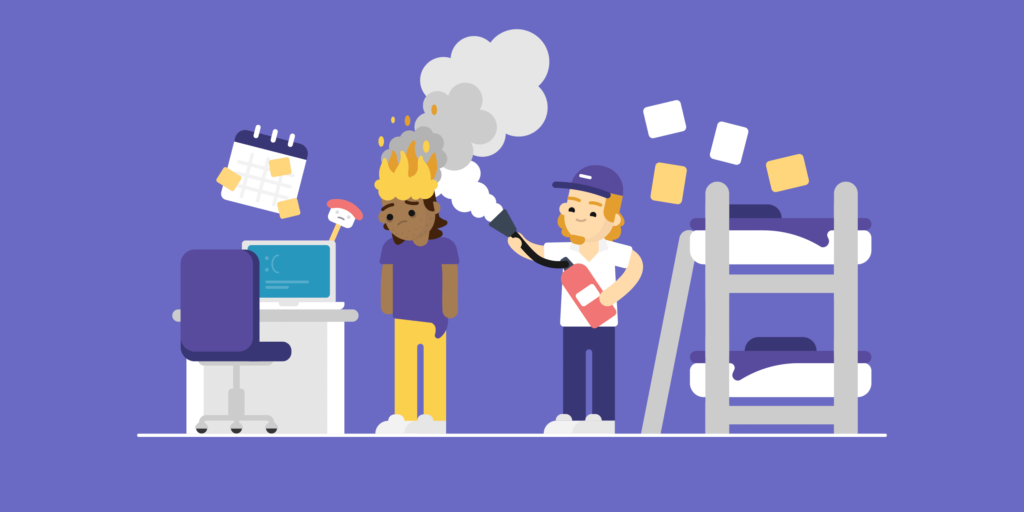
Burnout doesn’t usually show up in a big way. Instead, it sneaks in through small changes that happen over time. These are the most common early signs of burnout:
1. Tiredness That Doesn’t Go Away with Rest
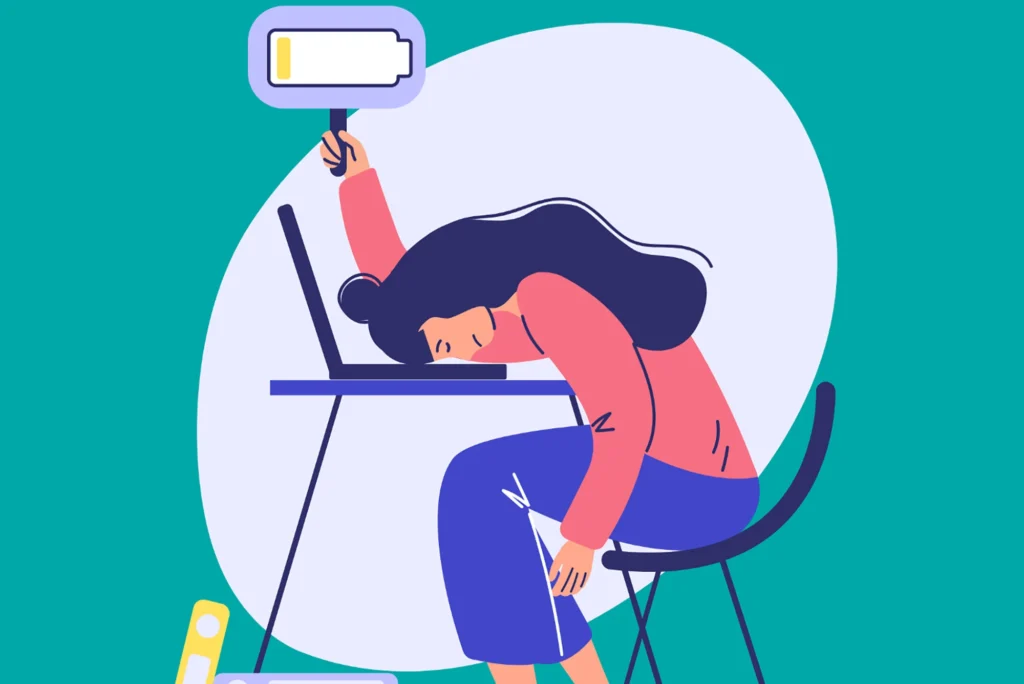
It’s normal to feel tired after a long day. But if you feel sluggish even after a full night’s sleep, it could mean more than just being tired. One of the first signs is often chronic, non-restorative fatigue.
2. Feeling Flat or Irritable Emotionally
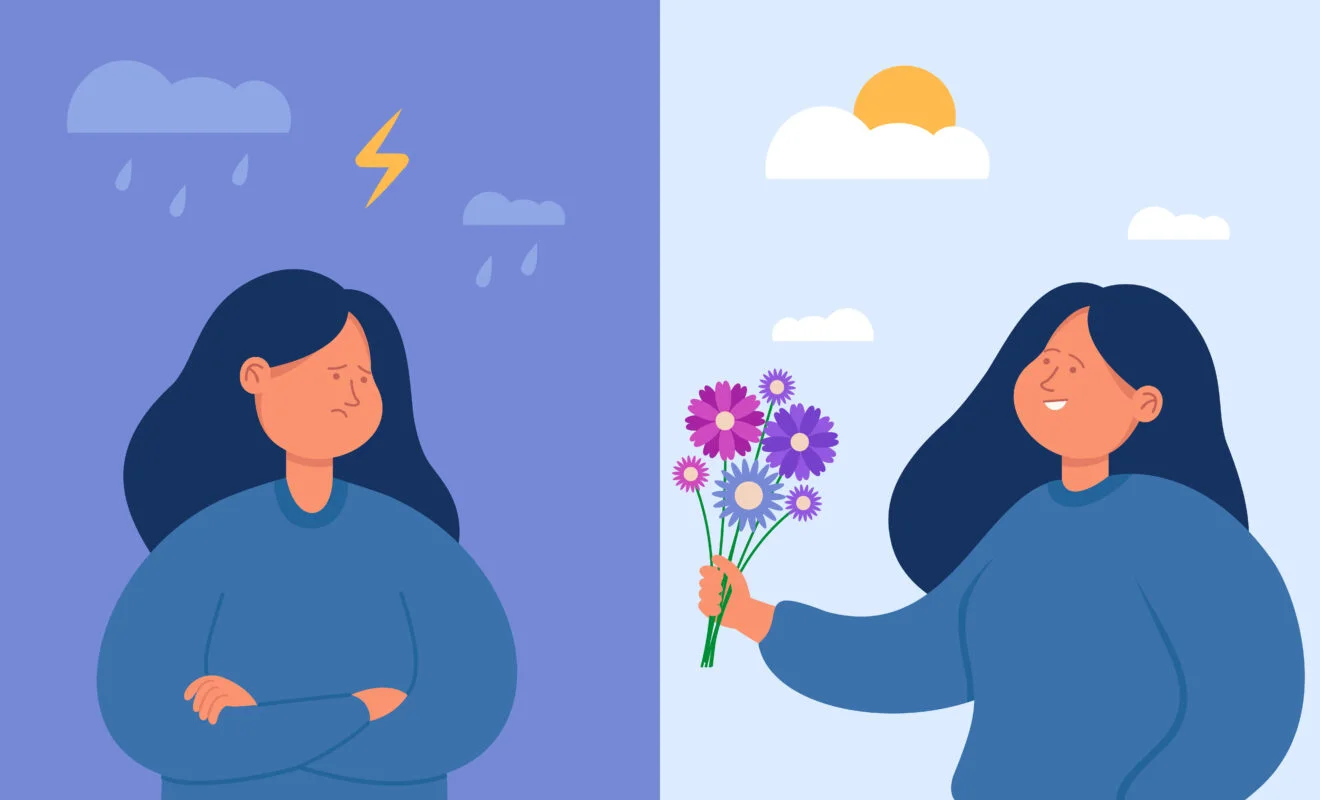
You might feel “blunted” emotionally. You don’t get excited about happy things, and little problems make you angry. People close to you might say you “aren’t yourself.”
3. Losing Your Drive
Things you used to like doing, like work, hobbies, or activities, start to feel like a chore. You force yourself to do things instead of being excited about them.

Understanding why it happens doesn't make it stop.
You can know exactly what your nervous system is doing at 3 a.m. and still be awake at 3 a.m. Reading is where it starts. The Calm Reset Bundle is the part where you do something about it.
See the bundle →4. Signs of Stress in Your Body
- Headaches
- Tight muscles
- Stomach problems
- Getting sick frequently
These are all signs that stress is hurting your body.
5. Isolation and Withdrawal
Instead of spending time with friends or family, you might avoid them by:
- Scrolling through social media
- Binge-watching shows
- Canceling plans
6. Poor Work Performance
If you miss deadlines, have less creative ideas, or make careless mistakes, it could mean that your brain is running low on energy.
These mental exhaustion symptoms are your body and mind saying, “Stop!” The best way to reset before burnout gets worse is to notice them early.
Who Is Most Likely to Be at Risk?

Anyone can get burned out, but some groups are more likely to do so:
- People who help others – doctors, nurses, therapists, teachers, social workers
- Caregivers – those taking care of young children, elderly relatives, or chronically ill family members
- High achievers – perfectionists and ambitious individuals who set standards that are too high
- Freelancers and remote workers – blurred boundaries between work and personal life increase vulnerability
- Students – pressure to succeed academically and uncertainty about the future
Knowing your risk profile helps you stay alert for early signs.
What Stress and Burnout Are Not
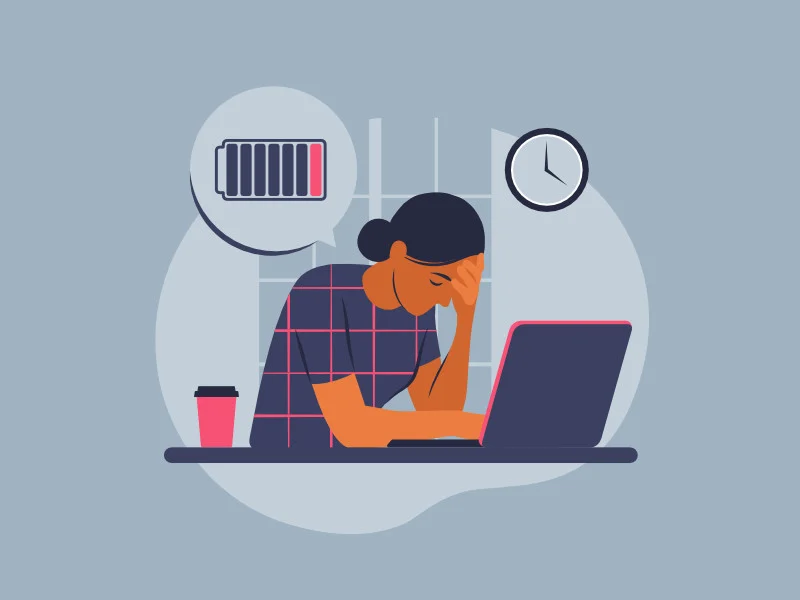
Stress that happens every day can be mistaken for burnout. Stress is usually short-lived and comes from specific things you have to do, like an exam, a deadline, or a big project. Recovery is possible once the stressor is gone.
Burnout, on the other hand, lasts a long time. It doesn’t go away even after a break or some time off. Stress is like working too hard; burnout is like running out of energy.
How to Spot Burnout in Yourself and Others
Self-awareness is key, but sometimes we need help from others. Ask yourself:
- Do I wake up more often than not dreading the day?
- Have I lost interest in things that used to excite me?
- Do people close to me notice that I’m more moody or quiet?
- Am I ignoring my health, relationships, or hobbies because I think I don’t have “time or energy”?
If the answer to several is “yes,” you might be starting to burn out.
Similarly, if you notice a friend or coworker withdrawing, losing interest, or showing signs of mental exhaustion symptoms, it may be helpful to check in with them kindly.
Long-Term Effects on Health of Not Dealing with Burnout
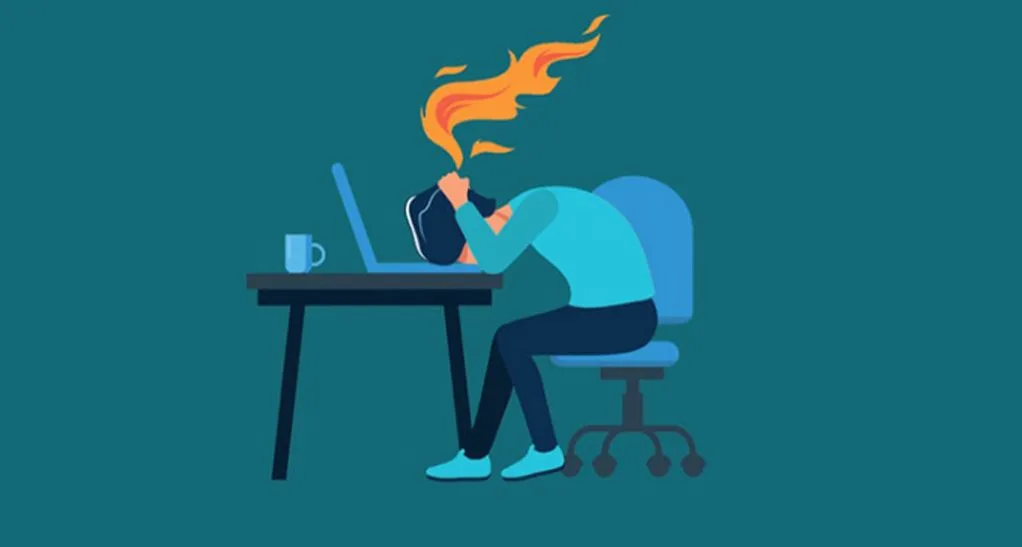
Ignoring burnout raises the risk over time of:
- Mental health issues – substance abuse, generalized anxiety disorder, and major depression
- Cognitive decline – forgetfulness, trouble focusing, slower problem-solving
- Long-term physical illnesses – diabetes, high blood pressure, autoimmune diseases
- Shortened life span – chronic stress and burnout linked to heart disease
These outcomes show why burnout prevention tips are more than lifestyle adjustments—they are essential to protect your long-term health.
Tips for Avoiding Burnout That Work Long-Term
No one can completely eliminate stress, but you can build habits and boundaries to protect against burnout. These timeless strategies remain effective:

Most of what you read this week will be gone by Thursday.
That isn't a discipline problem. It's what happens to information you never write down. Beat Information Overload is a free 35-page workbook that turns reading into something that stays.
Get the free workbook No cost · unsubscribe in one click1. Set Up Healthy Limits
- Don’t feel bad about saying no
- Limit overtime and set work-free hours
- Protect personal time for rest and relationships
2. Put Rest and Recovery First
- Aim for 7–9 hours of quality sleep
- Include daily downtime, even short breaks
- Engage in restorative activities such as reading, meditation, or spending time in nature
3. Build Relationships That Help You
- Strong social ties buffer stress
- Nurture family and friends
- Seek professional support when needed
4. Find Your Meaning and Purpose Again
- Reflect on your values
- Align daily tasks with what matters to you
- Small adjustments toward meaningful work restore energy
5. Keep Your Body Healthy
- Regular exercise lowers stress hormones
- Balanced nutrition stabilizes mood and energy
- Hydration and limited caffeine/alcohol support recovery
6. Use Methods to Reduce Stress
- Mindfulness meditation
- Deep breathing exercises
- Yoga or stretching
- Journaling for reflection
7. Plan Regular Digital Detoxes
Disconnect from constant notifications and screens to reset your mind and attention span.
8. Get Professional Help as Soon as Possible
Therapists, counselors, or doctors can help you spot burnout before it escalates. Professional guidance is proactive, not a last resort.
Examples of Recognizing Burnout in Real Life
Case 1: The Teacher Who Works Too Much
Maria, who taught high school, realized she didn’t look forward to class anymore. She felt emotionally distant despite lesson planning. She cut back on extracurricular activities, prioritized sleep, and joined a peer support group. Within months, her excitement returned.
Case 2: The Ambitious Entrepreneur
David, a startup founder, ignored headaches and insomnia while working 80-hour weeks. When concentration faltered and mistakes multiplied, he realized he was burned out. By delegating tasks, scheduling exercise, and setting clear work hours, he restored both health and business performance.
Case 3: The Parent Who Cares
Sarah, a full-time caregiver for her child with special needs, began feeling daily fatigue and irritability. A friend encouraged her to seek help. Through respite care and a parent support group, Sarah regained balance and lowered her risk of burnout.
These examples show that recognizing and preventing burnout is essential, not optional.
Expert Advice on Burnout
- Christina Maslach, leading burnout researcher: “You can’t get rid of burnout just by taking care of yourself; workplaces need to change too.”
- Mayo Clinic experts: Awareness of personal stress signals is the first line of defense.
- National Institute of Mental Health (NIMH): Seek professional help early, as burnout overlaps with treatable mental health conditions.
Recognizing burnout is both a personal and systemic responsibility.

It's rarely a motivation problem. It's five apps and no single page.
Habits in one place, money in another, notes in a third, and nowhere that shows you how the month is actually going. The Digital Life Planner is one spreadsheet that holds all of it and does the arithmetic while you get on with your life.
See how it works →Creating a Lifestyle That Won’t Make You Burn Out

Design your life around sustainable energy management:
- Daily check-ins – Assess how you’re feeling physically, mentally, and emotionally
- Weekly planning – Allocate time for work and restorative activities
- Seasonal reflection – Ensure commitments align with values
Avoiding burnout is about consistency, not perfection.
How Businesses Can Help
Employers and institutions can reduce burnout risk by:
- Encouraging flexible work hours
- Promoting vacation use
- Providing access to mental health resources
- Recognizing employee contributions
- Reducing unreasonable workloads
Investing in employee well-being improves both health and productivity.
Conclusion
Burnout is not a badge of honor. It’s a warning sign. By learning how to spot burnout early, noticing the early signs of burnout, and addressing mental exhaustion symptoms, you protect your long-term health and happiness.
The strategies outlined—setting boundaries, prioritizing recovery, building relationships, and seeking professional support—are timeless. No matter how work, technology, or lifestyles change, these practices will remain effective.
You don’t have to let burnout break you. Awareness, prevention, and consistent self-care will help you build resilience and maintain a balanced, healthier life.

Quiet the noise — without burning your phone in a field.
Get Beat Information Overload free, plus the occasional calm, no-hype note from me.