
It’s not just big events that affect mental health; it’s also the little things that happen every day. These minor emotional disturbances, referred to as microtraumas, possess the capacity to gradually alter our psychological well-being over time. “How Microtraumas Shape Long-Term Mental Health Without You Noticing” is more than just a headline; it’s a way to look at the basic parts of mental health that we can better understand.
The 60-Day Reset
Everything on this page, sequenced into a printable ten-minute daily practice — 84 pages across anxiety, sleep, overthinking and low motivation, with a two-minute version of every day for the hard ones.
Instant PDF · 60 daily practices · 15 printable tools · Educational, not therapy
This article goes into great detail about the world of microtraumas, which are often ignored, their cumulative effects, and long-term ways to lessen their impact. Based on expert advice and real-world examples, it is a timeless guide for anyone who wants to build long-term mental strength.
What Microtraumas Are
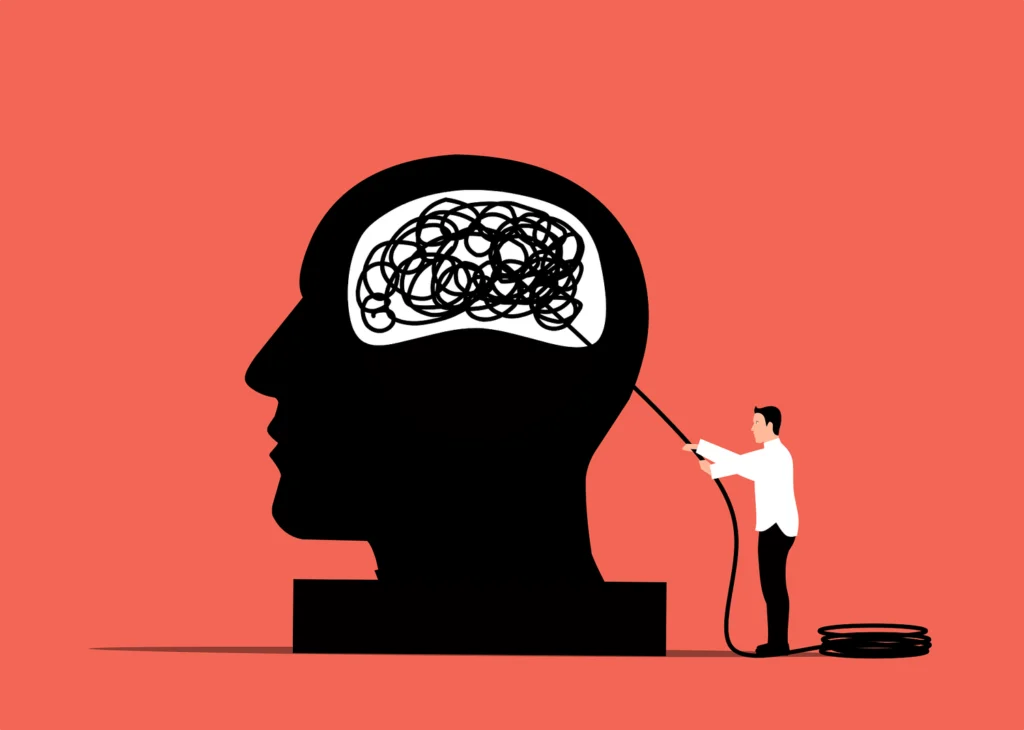
Microtraumas are small, repeated psychological injuries that happen when you are stressed, invalidated, or emotionally neglected in small ways. Microtraumas are different from acute traumas like car accidents or natural disasters. They happen every day when people are constantly interrupted, ignored, judged, or criticized.
Microtrauma Examples:
- Being ignored or dismissed in meetings over and over
- Microaggressions based on race, gender, or identity
- Long-term exposure to stress at work or in toxic environments
- Emotional unavailability as a form of parental neglect
- Not getting credit for your own accomplishments
Even though each one may seem small, over time they add up to real, measurable changes in how you feel, how you handle stress, and how you see yourself.
The Science Behind Stress That Builds Up
Research in neuroscience and psychology indicates that prolonged exposure to even minimal stress can modify brain structure and function. The amygdala, which is in charge of processing emotions, becomes hyperactive. The prefrontal cortex, which is in charge of rational thinking, may get weaker because of ongoing microtraumas.
Cumulative Stress and Allostatic Load
Allostatic load is the damage that chronic stress does to the body and brain. Microtraumas play a major role in this burden by:
The 60-Day Reset
Everything on this page, sequenced into a printable ten-minute daily practice — 84 pages across anxiety, sleep, overthinking and low motivation, with a two-minute version of every day for the hard ones.
Instant PDF · 60 daily practices · 15 printable tools · Educational, not therapy
- Repeatedly turning on the stress response system
- Disrupting the balance of hormones, especially the control of cortisol
- Over time, it makes the immune system weaker
These changes don’t just make it harder to think clearly; they also make you more likely to get heart disease, autoimmune disorders, and other long-term illnesses.
Invisible Effects: How Microtraumas Affect Mental Health
Because the effects are small and gradual, a lot of people don’t realize how long-term microtraumas can be. But, over time, they can:
1. Erode Self-Esteem
Constant criticism or invalidation can make someone believe deep down that they are not good enough. This negativity that we keep inside often shows up as:
- The feeling of being an imposter
- Anxiety in social situations
- Constant self-doubt
2. Disrupt the Ability to Control Emotions
It can be harder to control your emotions if you are exposed to emotional micro-injuries on a regular basis. People might become:
- Easy to set off
- Easily angry or sad
- Likely to numb emotions
3. Shape Attachment Patterns
Microtraumas can affect how people see and respond to closeness in relationships, which can lead to:

Most of what you read this week will be gone by Thursday.
That isn't a discipline problem. It's what happens to information you never write down. Beat Information Overload is a free 35-page workbook that turns reading into something that stays.
Get the free workbook No cost · unsubscribe in one click- Attachment that is avoidant or anxious
- Problems with trust
- Fear of being weak
4. Add to Burnout
Micromanagement or not being appreciated at work can cause microtraumas, which can lead to:
- Less motivation
- Emotional fatigue
- Being cynical
Seeing Microtrauma in Your Daily Life

To be aware of microtraumas, you need to be mindful and ask yourself questions. These are some signs that microtraumas may be affecting you:
- You feel emotionally drained for no clear reason
- You think about small insults or criticisms over and over again
- You take perceived rejection or failure too personally
- You stay away from situations where you feel judged or exposed
Writing in a journal, going to therapy, and having open conversations can all help you find signs of microtrauma.
Long-Term Effects If Not Dealt With
If you ignore microtraumas, you may end up with long-term mental health problems like:
- Sadness
- Anxiety disorder in general
- Post-traumatic stress (particularly in instances of complex trauma)
- Personality disorders originating from early emotional neglect
Unresolved microtraumas can also affect parenting, work performance, and relationships, often causing emotional harm to last for generations.

Long-Lasting Ways to Heal and Be Strong
You don’t need a big intervention to heal from microtraumas. Instead, it requires regular, mindful actions that improve mental health and emotional hygiene.
1. Become Aware of Your Feelings
Mindfulness meditation and emotional check-ins are two practices that can help you notice small changes in your feelings and where they come from. Some of the methods are:
- Scanning the body to find tension
- Writing in a journal to look at emotional patterns
- Being able to accurately label your feelings (emotional granularity)
2. Set Limits
It’s important to learn how to say no and keep your emotional space safe. This means:
- Being able to spot interactions that drain your energy
- Setting boundaries with work, family, and friends
- Honoring your own needs and values
3. Take Part in Reflective Activities
Microtrauma can be treated with therapeutic methods like Cognitive Behavioral Therapy (CBT), Internal Family Systems (IFS), and EMDR. These methods are helpful to:
- Think about bad things in a new way
- Deal with emotional wounds from the past
- Build a clear story about yourself
4. Encourage Relationships That Help Each Other

Good social interactions are a strong way to fight off microtraumas. Some of the most important parts are:
- Listening and understanding what others are saying
- Safe places to be weak
- Respect and appreciation for each other
5. Change Your Brain with Good Habits
Neuroplasticity lets the brain change and adapt. You can:
- Be thankful every day
- Do something creative, like writing, drawing, or playing music
- Celebrate small wins to boost your sense of self-worth
6. Get Better at Being Flexible in Your Mind
People who are mentally flexible can deal with stress and adapt to change. You can do this by:
- ACT, or Acceptance and Commitment Therapy
- Being kind to yourself
- Letting go of fixed ways of thinking
Read Also: How Thoughts on the Past & Future Fuel Depression: Breaking the Cycle
Advice from Experts
Dr. Bessel van der Kolk, Author of “The Body Keeps the Score”
Microtraumas often stay in the body and show up as chronic tension or physical complaints. “The body remembers what the mind forgets.” Yoga, breathwork, and sensorimotor psychotherapy are some examples of somatic therapies that can work.

There's a version of this that asks you questions back.
An article can tell you what burnout is. A workbook makes you locate where you actually are in it, on paper, in your own handwriting. That's The Burnout Fix — ninety-odd pages of it.
Look at the workbook →Dr. Nadine Burke Harris, Former Surgeon General of California
She talks about how Adverse Childhood Experiences (ACEs) can affect health for the rest of your life. A lot of ACEs come from small traumas like neglect or emotional abuse.
Dr. Kristin Neff, Pioneer in the Study of Self-Compassion
Encourages self-compassion as a strong way to heal, especially from emotional wounds that aren’t obvious. Being kind to yourself makes negative self-talk less intense and makes you stronger.
Real-Life Situations
Workplace Example
Sarah is a high-performing employee who always gets mixed reviews and is left out of important projects. As time goes on, she starts to lose faith in her skills and stops working with others. The absence of validation constitutes a microtrauma, progressively undermining her confidence.
Family Example
James had parents who were emotionally distant when he was growing up. They took care of his physical needs, but they weren’t very affectionate or expressive. James has trouble making deep emotional connections as an adult. He often feels “numb” in relationships. These early microtraumas shaped the way he forms attachments.
Social Setting
Lena, who is not white, deals with microaggressions every day that other people often ignore. Being invalidated all the time makes her stressed out all the time and more alert, which affects her sleep, focus, and feeling safe.
Long-Term Health and Well-Being Practices
1. Make It Normal to Talk About Mental Health
Creating an environment where emotions and mental health are openly discussed helps de-stigmatize seeking support.
2. Practice Regular Emotional Care
Mental hygiene is like physical hygiene in that it includes:
The 60-Day Reset
Everything on this page, sequenced into a printable ten-minute daily practice — 84 pages across anxiety, sleep, overthinking and low motivation, with a two-minute version of every day for the hard ones.
Instant PDF · 60 daily practices · 15 printable tools · Educational, not therapy
- Sleep that restores
- Eating healthy
- Exercise and movement
3. Teach People About Microtrauma in Schools and at Work
Adding emotional literacy and trauma awareness to schools and other institutions can help stop long-term damage.
4. Check In with Yourself
Regular self-assessment helps find problems early. Think about this:
- How do I feel?
- Why do I feel this way?
- What do I need right now?
Last Thoughts
To stay mentally healthy, you need to know “how microtraumas shape long-term mental health without you noticing.” At first, they may not be visible, but their effects build up quietly but strongly over time. We can live fuller, stronger lives by acknowledging, dealing with, and healing these small wounds.
This information will always be useful: as long as people have feelings, the ways to help them feel better through awareness, empathy, and care will always be useful.
Taking care of your mental health by dealing with microtraumas is more than just self-care; it’s self-preservation.

Quiet the noise — without burning your phone in a field.
Get Beat Information Overload free, plus the occasional calm, no-hype note from me.