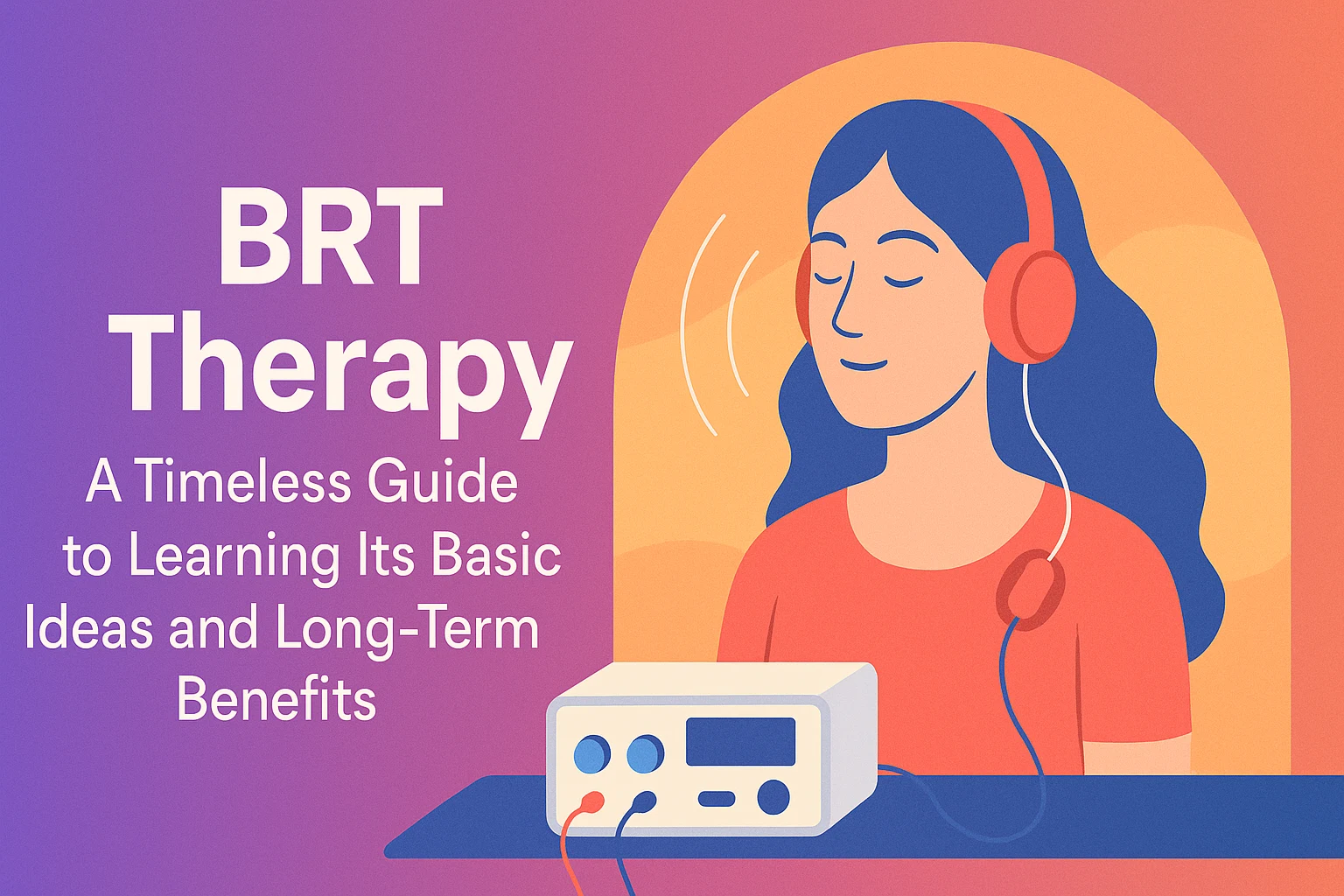
More and more people are interested in alternative ways to improve their mental health, emotional well-being, and personal growth in recent years. One such method is BRT therapy, which is new and has many advantages for people who want to deal with trauma, anxiety, stress, and other emotional problems.

There's a version of this that asks you questions back.
An article can tell you what burnout is. A workbook makes you locate where you actually are in it, on paper, in your own handwriting. That's The Burnout Fix — ninety-odd pages of it.
Look at the workbook →In this article, we’ll talk about what BRT therapy is, how it works, its basic ideas, and why it’s still useful for people who want to heal in a way that lasts. We will also give readers expert advice, useful tips, and real-life examples to help them fully understand BRT therapy and use it to make their lives better.
What is BRT Therapy?
BRT Therapy, or Brainspotting Reprocessing Therapy, is a strong, evidence-based way to help people deal with emotional trauma, get past mental blocks, and improve their overall emotional health. It combines mindfulness, neuroscience, and body-based practices. It focuses on finding and dealing with emotional problems that are deeply rooted in the brain and body, often because of traumatic events that happened in the past.
“Brainspotting” is a type of therapy in which the therapist uses certain eye positions to get to parts of the brain where unresolved emotional or mental problems are stored. The idea is that by concentrating on these eye positions, the brain can start to process the trauma again and help the person heal emotionally.
In BRT therapy, “reprocessing” means how the brain changes how it reacts to traumatic events. As part of this process, the client is led to a deeper understanding of their emotions, which helps them let go of negative thought patterns and replace them with healthier ones. This dynamic method helps people become emotionally stronger and heal in a way that lasts and changes them.
The Science Behind BRT Therapy

Neuroscience, especially how the brain stores memories and emotional responses, is the basis for BRT therapy. Studies show that traumatic events can get stored in the brain in a way that makes them hard to fully process, which can cause emotional distress later on. These memories that haven’t been dealt with can lead to long-term mental health problems like PTSD, anxiety, and depression.

It's rarely a motivation problem. It's five apps and no single page.
Habits in one place, money in another, notes in a third, and nowhere that shows you how the month is actually going. The Digital Life Planner is one spreadsheet that holds all of it and does the arithmetic while you get on with your life.
See how it works →Brainspotting helps people get to these unprocessed memories, which are often stored in the subcortical areas of the brain, by having them move their eyes. People think that different eye positions are linked to different parts of the brain and can be used to focus on certain memories and feelings. The therapist helps the client heal by focusing on a “brainspot” or eye position, which helps them process the emotional content of a traumatic memory.
Reprocessing lets people “reframe” their emotional responses by replacing old, unhealthy ones with new, healthier ways to deal with stress. This process can make trauma-related symptoms a lot better and can also help people become more adaptable and strong emotionally.
The Main Ideas Behind BRT Therapy
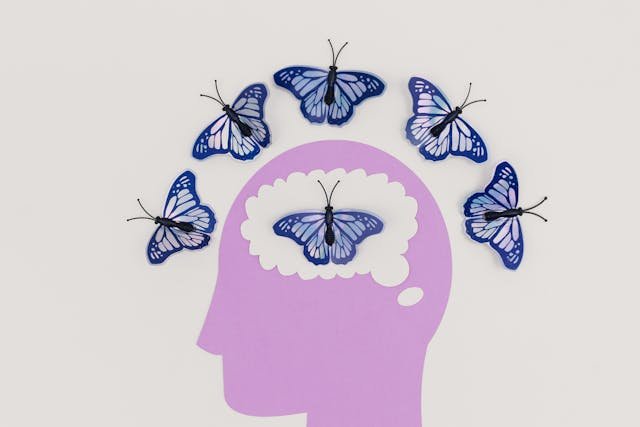
To really get how BRT therapy can help you in the long run, you need to first understand the basic ideas that guide this type of therapy. BRT therapy is a holistic treatment that works on both the body and the mind at the same time. It is based on a mix of neuroscience, trauma-informed care, and somatic healing.
1. Awareness and Control of Emotions
BRT therapy stresses how important it is to be aware of your emotions, which means being able to recognize, understand, and express them in a healthy way. Emotional regulation is also very important because it means being able to handle strong feelings in a way that is good for your health. Clients can learn about their emotional triggers and start to deal with feelings they haven’t dealt with yet by becoming more emotionally aware.
2. The Connection Between the Body and the Mind
One of the most important things about BRT therapy is that it understands the connection between the mind and body. Studies have shown that emotional trauma that hasn’t been dealt with can stay in the body and show up as physical symptoms, tension, or pain. BRT therapy helps the body deal with trauma by releasing these stored emotions. This helps both the mind and the body heal.
The 60-Day Reset
Everything on this page, sequenced into a printable ten-minute daily practice — 84 pages across anxiety, sleep, overthinking and low motivation, with a two-minute version of every day for the hard ones.
Instant PDF · 60 daily practices · 15 printable tools · Educational, not therapy
3. Somatic Healing
BRT therapy is based on somatic healing, which is the body’s ability to let go of trauma that has been stored. By paying attention to how their bodies feel and react, clients can get to the root of their emotional problems and let them go. This part of BRT therapy helps people pay attention to how their bodies feel, which lets them connect with their feelings without talking.
4. Care that Takes Trauma into Account
Trauma-informed care is the basis for BRT therapy. It means knowing how trauma affects a person’s life and giving them a safe, supportive place to heal. This method understands that trauma can affect people in many different ways and adapts therapy to fit each person’s needs.
5. Eye Movement and Brainspotting
Brainspotting is the main method used in BRT therapy, as was said before. Therapists help clients get in touch with emotional triggers stored in the brain by having them focus on certain eye positions. This method helps heal the brain and lets go of emotional blocks. Neurobiological research backs up the link between eye movements and emotional responses by showing that where the eyes are can trigger certain parts of the brain.
Best Ways to Make BRT Therapy Work

BRT therapy can work very well, but clients need to be patient and open-minded as they go through it. Here are some general best practices to keep in mind when doing BRT therapy to get the best results:
- Pick a Therapist Who Is Trained and Has Experience
The therapist’s level of expertise is a big part of how well BRT therapy works. Because brainspotting requires a lot of emotional work, it’s important to work with a therapist who is trained and certified and has used BRT methods before. A good therapist can help the client through the process and make sure that the work is done safely and well. - Stick to the Plan
BRT therapy is not a quick fix; it is a long-term process that requires dedication and commitment. Clients need to be patient with themselves and the therapy process because it may take time to fully process and let go of deeply buried feelings. To make real progress, you need to have regular sessions and put in consistent effort. - Practice Mindfulness
Mindfulness is a key part of BRT therapy, and clients who make mindfulness a part of their daily lives often see better results. Mindfulness practices like meditation, breathwork, or yoga can make therapy work better by helping you become more aware of your feelings and relax. - Keep Taking Care of Yourself and Getting Emotional Support
Taking care of yourself is very important for keeping your emotions in check during the process. Clients should make sure they are taking care of themselves by doing things that are good for their mental and physical health. This could mean getting enough sleep, eating healthy foods, and talking to trusted friends, family, or support groups about how you feel. - Be Willing to Reprocess
It can be hard to reprocess things in BRT therapy because it means dealing with painful memories and feelings. But it’s important to keep an open mind about the reprocessing process, because that’s where most of the healing happens. Letting go of trauma that has been stored in the body and mind and trusting the process can help you grow emotionally in a big way.
Examples from the Real World of BRT Therapy Working

There are many real-life examples of people who have used BRT therapy and reported significant emotional healing and personal growth. Here are two such examples:
The 60-Day Reset
Everything on this page, sequenced into a printable ten-minute daily practice — 84 pages across anxiety, sleep, overthinking and low motivation, with a two-minute version of every day for the hard ones.
Instant PDF · 60 daily practices · 15 printable tools · Educational, not therapy
- PTSD Recovery from a Car Accident
One example is a woman who had PTSD after surviving a car accident. She was able to access and deal with the trauma from the accident through a series of BRT therapy sessions. This helped her PTSD symptoms get better and helped her regain control over her emotional health. - Anxiety and Depression from Childhood Trauma
Another example is a client who is dealing with anxiety and depression because of trauma they went through as a child. After doing brainspotting therapy, the client was able to work through the emotional blocks that were caused by the trauma. This made their anxiety and depression levels go down a lot. The client also said they felt more at peace and stable emotionally.
These examples show how BRT therapy can help people heal emotionally for good and give them the tools they need to deal with life’s problems with strength and resilience.
The Long-Term Benefits of BRT Therapy
BRT therapy has a lot of long-lasting benefits that can help people feel better emotionally, mentally, and physically. These benefits go far beyond the therapy room and can make many parts of a person’s life better:
- More Emotional Strength
One of the best things about BRT therapy is that it helps people become more emotionally strong. Clients become better able to handle future challenges with more emotional stability as they work through and let go of deep-seated trauma. This strength can help you handle stress better, improve your relationships, and feel better overall. - Better Mental Health
BRT therapy can help with symptoms of mental health issues like anxiety, depression, PTSD, and phobias. People can feel more at ease and balanced emotionally by reprocessing traumatic memories and letting go of emotional blocks. - More Self-Awareness and Personal Growth
BRT therapy helps people think deeply about themselves and their emotions, which leads to more personal insight and growth. Clients often learn more about what makes them feel bad, how they act, and what their strengths are. Being aware of oneself can give people power and help them make better choices about their work and personal lives. - Healing the Body
BRT therapy can help with physical healing because it also works on the mind-body connection. Letting go of emotional trauma that is stored in the body can help with physical problems like headaches, tension, and chronic pain. After brainspotting therapy, many clients say they feel lighter and more comfortable in their bodies.
Conclusion
To sum up, BRT therapy is a new and effective way to heal emotionally that keeps helping people deal with trauma, lower their anxiety, and improve their mental health in general. It is a whole-person therapy that works on both the mind and the body because it uses brainspotting, mindfulness, and somatic practices.
People can make deep and lasting changes to their emotions by learning about the core principles, committing to the therapeutic process, and following best practices. BRT therapy is a timeless, scientifically proven way to heal and grow as a person, whether you’re dealing with past trauma or just want to feel better emotionally.
If you’re thinking about BRT therapy, make sure to pick a good therapist, take care of yourself, and be open to the reprocessing process. You can get lasting emotional strength and peace through this therapy if you are patient and committed. The long-term benefits are worth the money.

Quiet the noise — without burning your phone in a field.
Get Beat Information Overload free, plus the occasional calm, no-hype note from me.