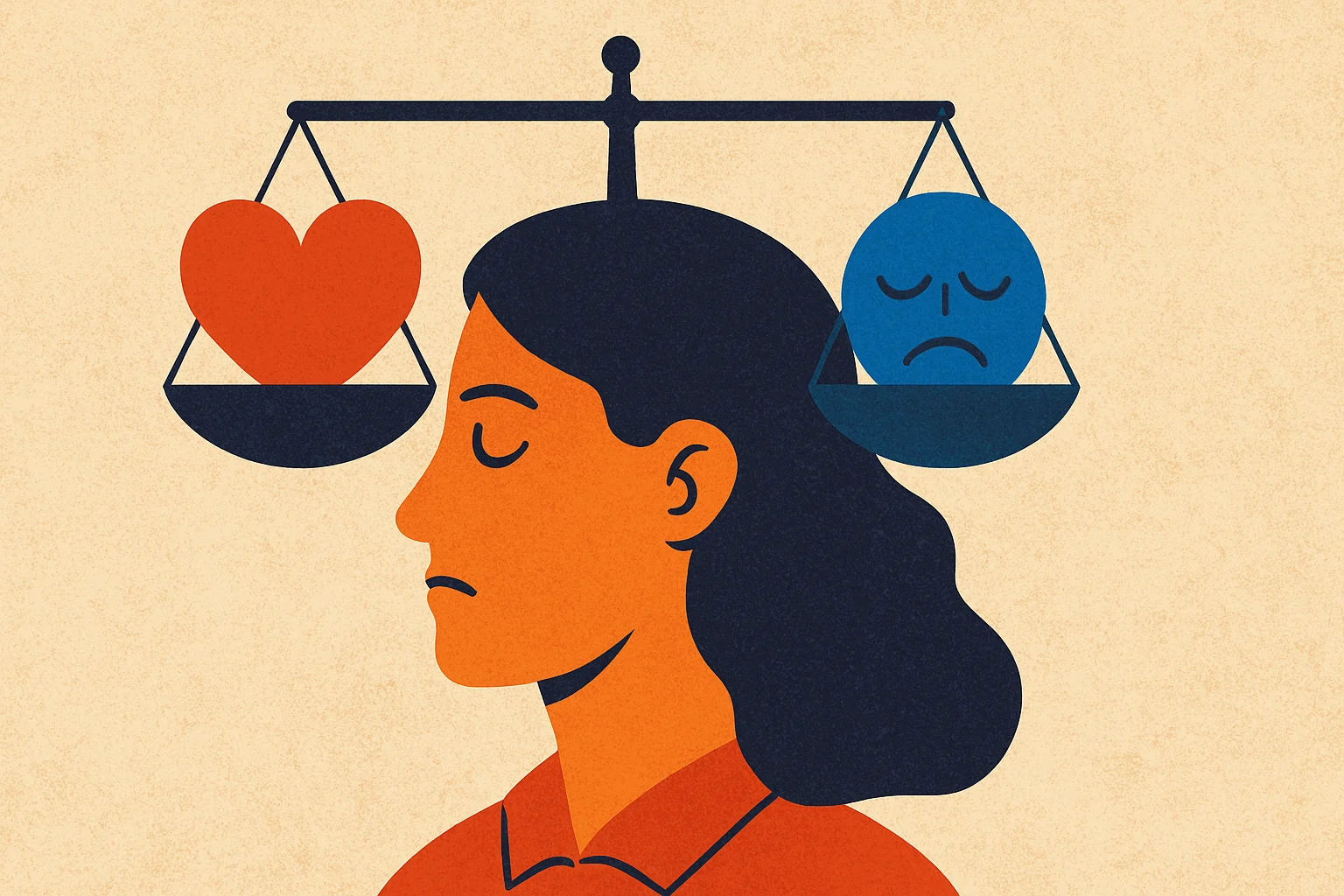
In a world where we are always getting new information and making decisions, our ability to get through the complicated landscapes of life often depends on one thing: judgment. But what if it doesn’t make sense to judge? What if it’s not just based on facts and reason, but also on how we feel and what we think?

Judgment as feelings is the idea that our emotions, perceptions, and past experiences often have more of an effect on the decisions we make than objective reasoning does. For people, groups, and societies, it’s important to understand how feelings and judgment affect each other. In this article, we’ll look at this dynamic and share timeless advice on the core principles, best practices, and actionable strategies that can help you make decisions that are more informed, balanced, and emotionally aware.
What is Judgment?

Judgment is the mental process we use to form opinions, make decisions, and look at situations. It means looking at different parts of a decision, like its risks, benefits, and consequences, and using these evaluations to decide what to do. Judgment has long been thought of as a logical, reasoned process, but it isn’t always that way. Instead, it is a complicated mix of feelings, logic, and intuition.
Feelings as Judgment: The Emotional Side of Making Choices
The idea of “judgment as feelings” makes it clear that our feelings have a big effect on how we make decisions. A lot of the time, our emotions can have a big effect on how we make decisions without us even knowing it. For instance, when we’re happy or excited, we might make more positive choices. On the other hand, when we’re scared or anxious, we might make more careful or defensive choices.
This emotional effect on judgment isn’t always bad. Emotions can actually be helpful signals that help us make decisions. The problem is knowing when our feelings are helping us make good choices and when they might be making us make bad ones.
The Psychology of Judging as Feelings

1. Cognitive Biases and the Effect of Emotions
Cognitive biases are patterns of thinking that are not based on logic and are often caused by emotions and feelings. For instance, the “affect heuristic” says that we often choose based on how we feel about something instead of looking at it objectively. We might think that a situation is less risky or more rewarding than it really is if we have a good emotional response to it.

There's a version of this that asks you questions back.
An article can tell you what burnout is. A workbook makes you locate where you actually are in it, on paper, in your own handwriting. That's The Burnout Fix — ninety-odd pages of it.
Look at the workbook →Another example is “confirmation bias,” which is when people only pay attention to information that supports their beliefs and feelings and ignore evidence that goes against them. This bias can make it hard to make good choices, especially when you’re upset.
2. What Intuition Does
Another important part of “judgment as feelings” is intuition. People often call it a “gut feeling” that comes to mind without thinking about it. Even if we don’t always realize it, research shows that our past experiences and emotional responses often affect our intuitive judgments. Intuition is how the brain quickly processes a lot of information, but it can also be affected by emotions.
3. The Effect of Emotional Contagion
Feelings can also spread. Because of this, the emotions of the people around us can change how we feel and, as a result, how we judge things. For instance, a leader who is worried about a decision they have to make might unintentionally pass that worry on to their team, making them make decisions that are more fearful or hesitant.
Why It’s Important to Be Aware of Your Emotions When You Judge
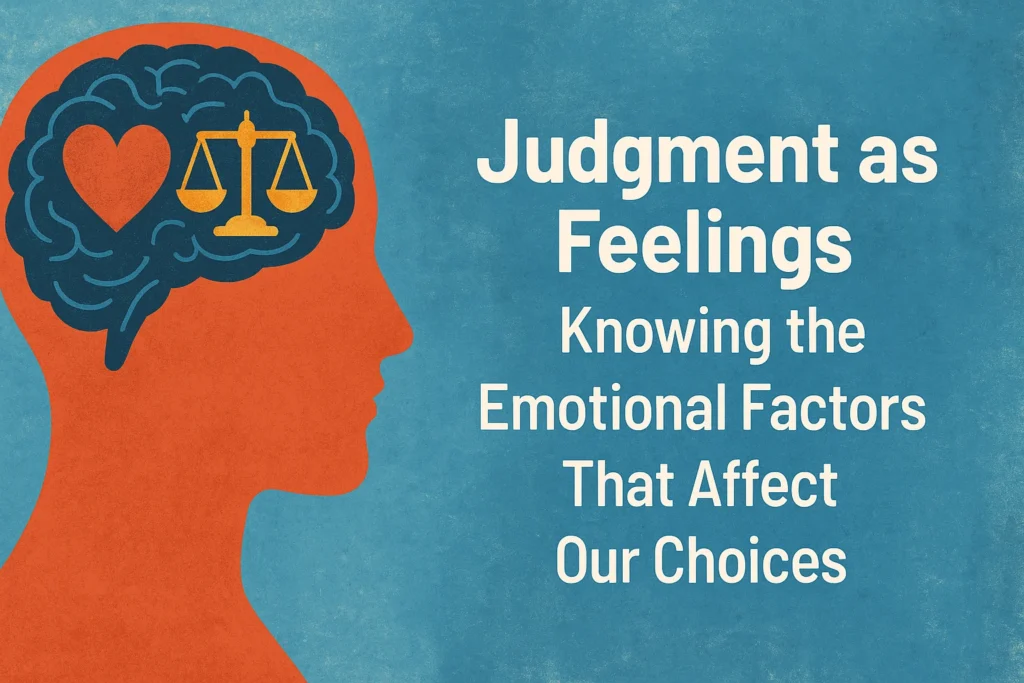
To make better decisions, we need to know how our feelings affect them. Being aware of our emotions can help us tell the difference between real insights and emotional reactions that could lead us astray. Here’s how being aware of your emotions can help you make better choices:
1. Being Aware of Yourself
Knowing how our feelings affect our decisions is a great way to control ourselves. When we realize we’re emotionally charged, we can take a step back and think more clearly and logically. This practice helps us make choices that are more balanced and true to our values and goals.
The 60-Day Reset
Everything on this page, sequenced into a printable ten-minute daily practice — 84 pages across anxiety, sleep, overthinking and low motivation, with a two-minute version of every day for the hard ones.
Instant PDF · 60 daily practices · 15 printable tools · Educational, not therapy
2. Understanding and Putting Yourself in Someone Else’s Shoes
Understanding that other people make decisions based on their feelings can help us empathize with them and see things from their point of view. Empathy helps us connect with other people better, whether it’s in our personal lives, at work, or during negotiations. It also helps us avoid making quick decisions based on incomplete emotional understanding.
3. Mindfulness and Controlling Your Emotions
Meditation and reflection are two examples of mindfulness practices that can help us stay grounded and stop our emotions from taking over our decisions. We can think more carefully about how to respond to situations instead of acting on emotional triggers if we learn how to control our emotions.
Examples of Judgment as Feelings in the Real World
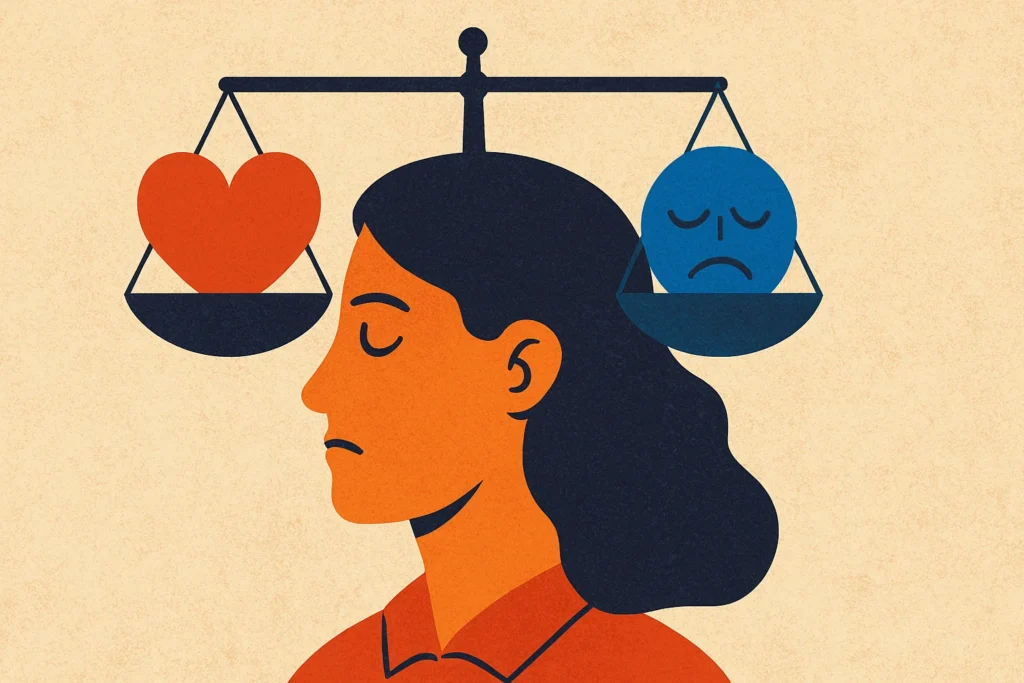
Here are some real-life examples that show how “judgment as feelings” works in everyday life:
1. Personal Relationships: Making Choices in Love and Friendship
When it comes to personal relationships, feelings often guide our choices. For instance, when someone is in love, they might put their partner’s happiness or interests ahead of their own needs or logical reasons. This is a clear case of judging based on how you feel.
On the other hand, bad feelings like anger or jealousy can make you act quickly, like breaking up with a friend or making unfair accusations. Understanding the emotional reasons behind these choices can help people interact in a healthier and more thoughtful way.

Understanding why it happens doesn't make it stop.
You can know exactly what your nervous system is doing at 3 a.m. and still be awake at 3 a.m. Reading is where it starts. The Calm Reset Bundle is the part where you do something about it.
See the bundle →2. Business Decisions: How Leadership and Corporate Culture Affect Them
Corporate culture and leadership styles have a big effect on how decisions are made in business. Leaders who know themselves and are emotionally intelligent tend to make better, more balanced choices, even when things are stressful. For instance, leaders who can handle their stress and anxiety are better able to look at a situation objectively and consider both logical and emotional factors when they have to make a tough decision.
On the other hand, not being able to control your emotions well can make you make quick decisions, like putting money into a risky investment without fully thinking about it, just because it feels right at the time.
3. Public Policy: How Public Opinion Affects Government
Public sentiment, which is linked to feelings, often affects public policies. Politicians and leaders who know how to connect with people’s feelings can make decisions that voters agree with, even if those decisions aren’t always the most logical or well-thought-out. People may vote for a policy that feels right emotionally, even if it isn’t the best or most effective option.
How to Use Judgment as Feelings in the Best Way
Even though feelings can have a big effect on how we make decisions, there are ways to make sure they don’t get in the way. Here are some tried-and-true ways to deal with “judgment as feelings”:
1. Learn to Control Your Emotions
It’s important to work on your emotional intelligence. We can make sure that our emotions guide us instead of controlling us by learning how to control them. When we are emotionally stable, we are more likely to make choices that are in line with our values and long-term goals.
2. Look at Things from Different Angles
It’s important to get other people’s opinions when making big decisions, especially those that make you feel strongly. Talking to people who aren’t as emotionally involved in the situation can help us see things more clearly and stop us from making rash choices.
3. Make a Framework for Making Decisions
Using a structured decision-making process, like a “pros and cons” list, a “SWOT analysis” (strengths, weaknesses, opportunities, threats), or even more advanced methods like “cost-benefit analysis,” can help make sure that both logical and emotional factors are taken into account when making a choice.
4. Take a Break and Think
Taking a moment to think about how a decision makes you feel can help you avoid making rash choices. Taking the time to think about our feelings and get more information can help us make better, more informed decisions.
5. Accept Being Weak and Flawed
Judging as feelings doesn’t mean getting rid of emotions when making decisions; it means accepting them in a balanced way. Realizing that we can’t always make perfectly logical choices and being willing to learn from both good and bad choices can help us grow as people and make better choices in the future.
Final Thoughts
Feeling like you have to judge is a basic part of being human. There’s no denying that our feelings affect how we judge, understand, and choose. We can learn to make better, more balanced decisions in our personal lives, at work, or in public policy by recognizing and understanding how emotions affect our judgments.
We can improve our ability to make decisions that are both emotionally informed and logically sound by becoming more aware of our emotions, learning how to control them, and using frameworks for making decisions that are well thought out. The outside world may keep changing, but the basic ideas of emotional intelligence and making smart choices will always be true. These ideas will help us deal with the complexities of life with confidence and clarity.
By using these strategies, we make sure that “judgment as feelings” is not just an idea to understand, but also a powerful tool for long-term success and personal growth.

Quiet the noise — without burning your phone in a field.
Get Beat Information Overload free, plus the occasional calm, no-hype note from me.