


Mental health awareness has become an essential aspect of public health and well-being. Understanding the history of mental health awareness helps us appreciate the progress made and recognize the ongoing challenges in this field. This comprehensive guide explores the evolution of mental health awareness, highlighting significant milestones and the impact of various movements and legislation on societal attitudes towards mental health.

There's a version of this that asks you questions back.
An article can tell you what burnout is. A workbook makes you locate where you actually are in it, on paper, in your own handwriting. That's The Burnout Fix — ninety-odd pages of it.
Look at the workbook →Read Also: What is Mental Health Awareness and Why is it Important?
Understanding Mental Health
The Early History of Mental Health
Ancient Civilizations
In ancient civilizations, mental health issues were often attributed to supernatural forces or divine punishment. Treatments ranged from exorcisms to trepanation (drilling holes in the skull). Ancient Egyptian, Greek, and Roman texts provide early documentation of mental disorders, but their understanding was limited and often harsh.
The Middle Ages
During the Middle Ages, mental health was predominantly viewed through a religious lens. The mentally ill were often considered possessed or morally deficient. Treatments included confinement in asylums, exorcisms, and even physical punishment. The care provided was rudimentary and lacked empathy or understanding.
The Birth of Modern Psychiatry
The Enlightenment Era
The Enlightenment era brought a shift in thinking about mental health. Figures like Philippe Pinel in France and William Tuke in England advocated for more humane treatment of the mentally ill. Pinel’s work in unchaining patients in Parisian asylums and Tuke’s establishment of the York Retreat marked significant steps towards moral treatment and the foundation of modern psychiatry.
The 19th Century
The 19th century saw the establishment of specialized institutions for the mentally ill. Dorothea Dix’s crusade in the United States led to the creation of the first generation of American mental asylums. However, despite these advancements, treatments remained rudimentary, and institutions often became overcrowded and underfunded.

The 60-Day Reset
Everything on this page, sequenced into a printable ten-minute daily practice — 84 pages across anxiety, sleep, overthinking and low motivation, with a two-minute version of every day for the hard ones.
Instant PDF · 60 daily practices · 15 printable tools · Educational, not therapy
The Evolution of Mental Health Awareness
Early 20th Century
The Psychoanalytic Movement
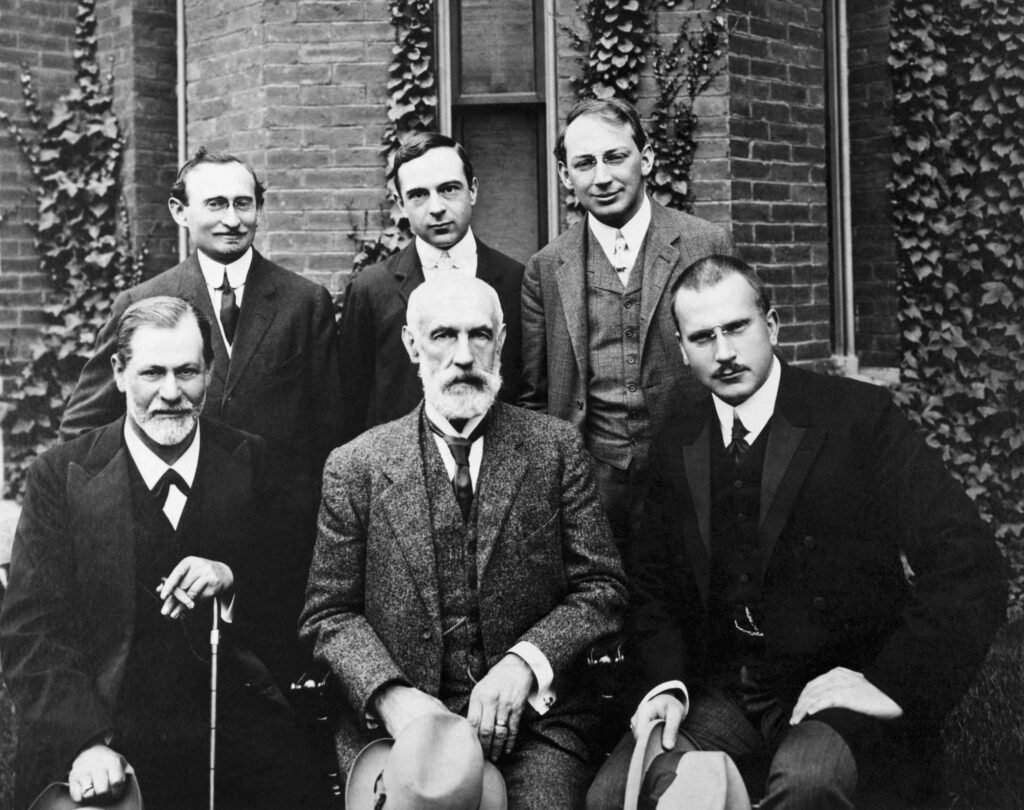
Sigmund Freud’s psychoanalytic theory in the early 20th century revolutionized the understanding of mental health. Freud’s emphasis on the unconscious mind and early childhood experiences provided a new framework for understanding mental disorders, although his methods were often controversial and not universally accepted.
The Mental Hygiene Movement
The mental hygiene movement, led by Clifford Beers, a former psychiatric patient, aimed to improve the standards of care and promote mental health education. The founding of the National Committee for Mental Hygiene in 1909 marked a significant step towards public mental health awareness and the development of mental health policies.
Mid 20th Century
Deinstitutionalization
The mid-20th century witnessed a significant shift with the deinstitutionalization movement. Advances in psychiatric medication, particularly the introduction of antipsychotics, allowed many patients to be treated outside of institutional settings. This period also saw the rise of community mental health services aimed at providing support and treatment in less restrictive environments.
The Civil Rights Movement
The civil rights movement of the 1960s also influenced mental health awareness. Advocacy for the rights of the mentally ill paralleled broader societal movements for equality and justice. Landmark legislation, such as the Community Mental Health Act of 1963 in the United States, aimed to improve mental health services and reduce the stigma associated with mental illness.
Late 20th Century to Early 21st Century
The Recovery Movement
The late 20th century saw the emergence of the recovery movement, which emphasized the possibility of recovery and a fulfilling life for individuals with mental illness. This movement shifted the focus from mere symptom management to holistic approaches that consider the person’s strengths, aspirations, and community integration.

Understanding why it happens doesn't make it stop.
You can know exactly what your nervous system is doing at 3 a.m. and still be awake at 3 a.m. Reading is where it starts. The Calm Reset Bundle is the part where you do something about it.
See the bundle →The Role of Advocacy and Legislation
Numerous advocacy groups emerged, promoting mental health awareness and fighting stigma. Organizations like the National Alliance on Mental Illness (NAMI) and Mental Health America played crucial roles in policy advocacy, public education, and support for individuals with mental health conditions.
The Digital Age and Mental Health

The Impact of Technology
The digital age has transformed mental health awareness and treatment. Online resources, telehealth services, and mental health apps have made mental health support more accessible. Social media campaigns and online communities have also played a significant role in reducing stigma and promoting mental health awareness.
Mental Health in the Workplace
The recognition of mental health as a critical component of overall well-being has led to increased attention to mental health in the workplace. Employers are increasingly adopting mental health programs and policies to support their employees, recognizing the link between mental health and productivity.
Current Trends and Future Directions
Integrative and Holistic Approaches
Current trends in mental health emphasize integrative and holistic approaches. This includes combining traditional therapies with complementary practices like mindfulness, nutrition, and exercise. The focus is on treating the whole person rather than just the symptoms.
Global Mental Health Initiatives
Global mental health initiatives aim to address the disparities in mental health care across different regions. Organizations like the World Health Organization (WHO) are working towards global mental health goals, promoting access to care, and reducing the global burden of mental disorders.

Mental Health and Policy
Ongoing efforts in policy development aim to improve mental health services and support systems. Advocates continue to push for policies that address mental health disparities, ensure adequate funding for mental health services, and integrate mental health care into broader health care systems.
Conclusion
The history of mental health awareness reflects a journey from misunderstanding and stigma to increasing recognition and support. While significant progress has been made, challenges remain. Continued advocacy, education, and policy development are essential to further improve mental health awareness and care. By understanding the history, we can better appreciate the strides made and the work still needed to achieve a society where mental health is fully recognized and supported.

Quiet the noise — without burning your phone in a field.
Get Beat Information Overload free, plus the occasional calm, no-hype note from me.