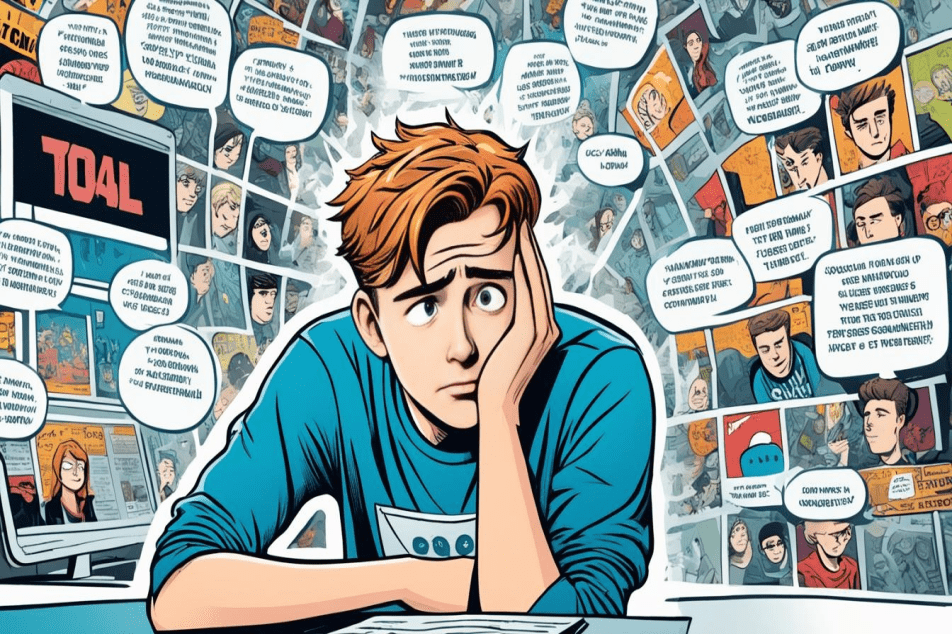

Panic attacks can come on quickly, feel overwhelming, and make you feel like you have no control over them. They can feel like a storm in your mind and body. The racing heart, shortness of breath, dizziness, and sense of impending doom can seem unstoppable. But the truth is that you can learn how to stop a panic attack quickly by knowing what’s going on in your body and using grounding techniques that break the cycle of fear.

Understanding why it happens doesn't make it stop.
You can know exactly what your nervous system is doing at 3 a.m. and still be awake at 3 a.m. Reading is where it starts. The Calm Reset Bundle is the part where you do something about it.
See the bundle →Grounding is a tried-and-true method that helps you focus on the present moment, calms your nervous system, and makes your symptoms less severe. These methods work no matter what the latest mental health trends are because they are based on how your brain and body naturally respond to sensory input and being aware of what you’re doing.
This guide talks about the basics of panic attacks, expert-recommended ways to deal with them, and grounding exercises you can do anywhere, anytime.
The Basics of Understanding Panic Attacks

What Does a Panic Attack Feel Like?
A panic attack is a sudden wave of strong fear or discomfort that lasts for a few minutes. It often has both physical and mental symptoms, such as:
- Fast heartbeat
- Breathlessness or hyperventilation
- Shaking, sweating, or trembling
- Feeling dizzy or lightheaded
- Feeling sick to your stomach or having stomach pain
- A sense of unreality (derealization) or a feeling of being separate from oneself (depersonalization)
- Fear of dying or losing control
People with panic disorder, anxiety disorders, phobias, or even no clear reason at all can have panic attacks.
The Body’s “Alarm System”
When you have a panic attack, your body’s fight-or-flight response kicks in. When your brain thinks something is dangerous (real or not), it releases stress hormones like adrenaline. This means:

It's rarely a motivation problem. It's five apps and no single page.
Habits in one place, money in another, notes in a third, and nowhere that shows you how the month is actually going. The Digital Life Planner is one spreadsheet that holds all of it and does the arithmetic while you get on with your life.
See how it works →- Breathing faster to get more oxygen
- Heart rate goes up to send blood to the muscles
- Being more aware of threats
Grounding techniques tell your brain that you are safe, which calms your nervous system down from being on high alert.
The Science of Grounding
Grounding techniques use sensory input, physical movement, or mental focus to:
- Take your mind off of bad thoughts
- Reconnect you with your body and the world around you
- Reduce the body’s stress response
Cognitive behavioral therapy (CBT) and mindfulness-based stress reduction (MBSR) are two long-standing therapeutic approaches that work year after year because they focus on human biology instead of passing trends.
Step-by-Step: How to Quickly Stop a Panic Attack

This is a step-by-step plan you can follow right now:
1. Recognize the Panic Attack
Tell yourself, “This is a panic attack. It’s only for a short time, and it will go away.”
This takes away some of the fear of the unknown.
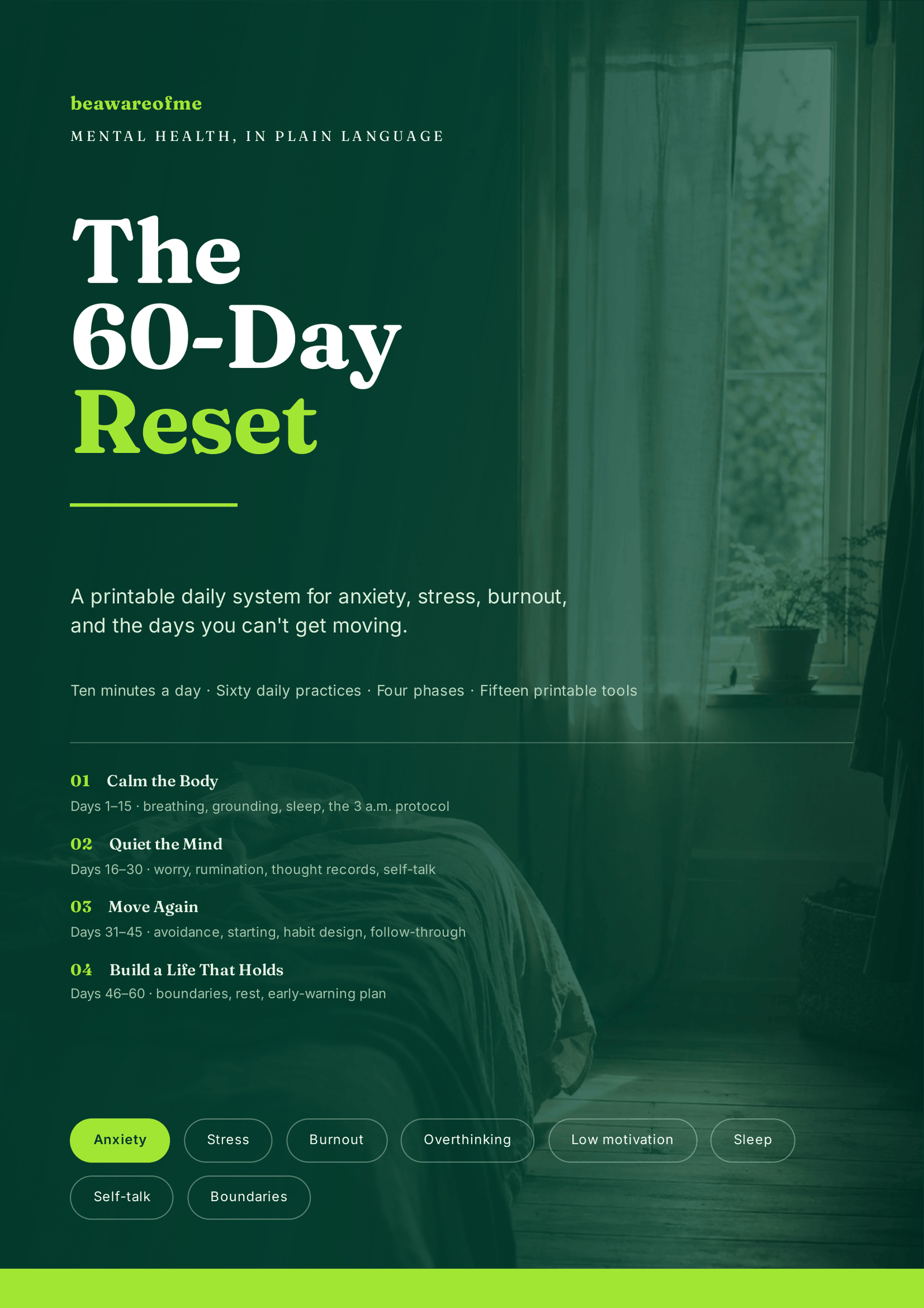
The 60-Day Reset
Everything on this page, sequenced into a printable ten-minute daily practice — 84 pages across anxiety, sleep, overthinking and low motivation, with a two-minute version of every day for the hard ones.
Instant PDF · 60 daily practices · 15 printable tools · Educational, not therapy
2. Concentrate on Your Breathing
Your brain knows you’re safe when you breathe slowly and on purpose.
- Take a breath for 4 seconds
- Keep it for 2 seconds
- Breathe out for 6 seconds
- Do it again for at least a minute
3. Use a Grounding Technique
Pick one of the methods below or mix and match.
Grounding Techniques That Work

1. The 5-4-3-2-1 Sensory Method
A therapist-recommended classic exercise:
- 5 things you can see
- 4 things you can feel
- 3 sounds you can hear
- 2 things you can smell
- 1 thing you can eat
This method moves the focus from what you feel inside to what is real outside.
2. Change in Temperature
When you splash cold water on your face or hold an ice cube, the “dive reflex” kicks in. This naturally slows your heart rate and calms your body.
3. Relaxing Your Muscles in Stages
Start with your toes and work your way up to your head, tensing and releasing muscle groups. This helps you feel more at ease in your body and less tense in your muscles.
4. Counting or Saying
Count down from 100 by threes or say a prayer, poem, or song that you know well. This makes the brain work on the logical side.
5. Touching Things That Hold You Down
Bring along a small, textured object, like a piece of fabric or a smooth stone. You can bring your mind back to the present by focusing on its weight and texture.
6. Being Aware of What You See
Pick something in your surroundings and describe it in detail, including its color, shape, patterns, and size. This gives people a feeling of control and presence.
7. Grounding Through Movement
If you can, get up and move:
- Take your time and notice each step as you go
- Put your arms up over your head
- Gently sway or rock back and forth
Movement sends out adrenaline and tells you you’re safe.
Examples from the Real World

- Sara’s Story: While she was giving a speech, Sara’s chest felt tight and her hands shook. She quietly pressed her fingers together and focused on the feeling until her symptoms got better.
- David’s Way: David felt panic rising as he sat in traffic. He named things around him using the 5-4-3-2-1 method until he felt better.
These examples show that grounding can be done in a variety of places, such as at work, in public, or by yourself.
Strategies for the Long Term to Lower the Risk of Panic Attacks in the Future
Grounding stops an attack right away, but to stop them from happening again and again, you need to keep taking care of yourself and learning new skills.
1. Mindfulness Practice on a Regular Basis
Focusing on your breath or body sensations for even 5 to 10 minutes a day can help you stay present.
It's rarely a motivation problem. It's five apps and no single page.
Habits in one place, money in another, notes in a third, and nowhere that shows you how the month is actually going. The Digital Life Planner is one spreadsheet that holds all of it and does the arithmetic while you get on with your life.
See how it works →2. Good Habits for a Healthy Life
- A regular sleep schedule
- A balanced diet that keeps blood sugar levels stable
- Exercise on a regular basis
- Cutting back on alcohol and caffeine
3. Therapy
CBT and exposure therapy are still the best ways to treat panic and anxiety disorders. A therapist can help you figure out what sets you off and how to deal with it.
4. Handling Stress
Long-term stress can make your body ready for panic. Add activities like:
- Yoga
- Writing in a journal
- Time spent outside
- Hobbies that are creative
When to Get Help from a Professional

If you have panic attacks often, they are very bad, or they get in the way of your daily life, see a mental health professional. If you have panic attacks that keep happening, you may have panic disorder or another condition that would benefit from structured treatment.
Quick Reference: A Checklist for Stopping a Panic Attack Quickly
- Say it out loud: “This is panic.”
- Breathe slowly in a 4-2-6 pattern.
- Ground yourself by using your senses, moving, or counting.
- Keep in mind that it will pass.
- Take care of yourself and get some sleep after that.
Conclusion: You Can Take Back Control
Panic attacks can be very strong, but they don’t have to last forever. When you learn how to stop a panic attack quickly with grounding techniques, you give yourself a set of tools that you can use anytime, anywhere. Because they work with your body’s natural calming systems, these strategies have stood the test of time. They are a safe and effective way to break free from the cycle of fear.
The more you practice, the more automatic these responses become, which means you can face panic with confidence instead of fear.

Quiet the noise — without burning your phone in a field.
Get Beat Information Overload free, plus the occasional calm, no-hype note from me.