
Borderline Personality Disorder (BPD) is a complicated mental illness that causes people to have strong feelings, unstable relationships, fear of being left alone, and acting on impulse. BPD rage attacks are some of the most disruptive symptoms. They are sudden, intense episodes of anger that can be hard for both the person having them and the people around them to deal with.

There's a version of this that asks you questions back.
An article can tell you what burnout is. A workbook makes you locate where you actually are in it, on paper, in your own handwriting. That's The Burnout Fix — ninety-odd pages of it.
Look at the workbook →People with BPD, their families, and mental health professionals all need to know how to spot, deal with, and deal with BPD rage attacks. This in-depth guide looks at what rage is like in BPD, what causes it, and how to deal with these outbursts in a way that works over the long term.
Getting to Know BPD Rage Attacks
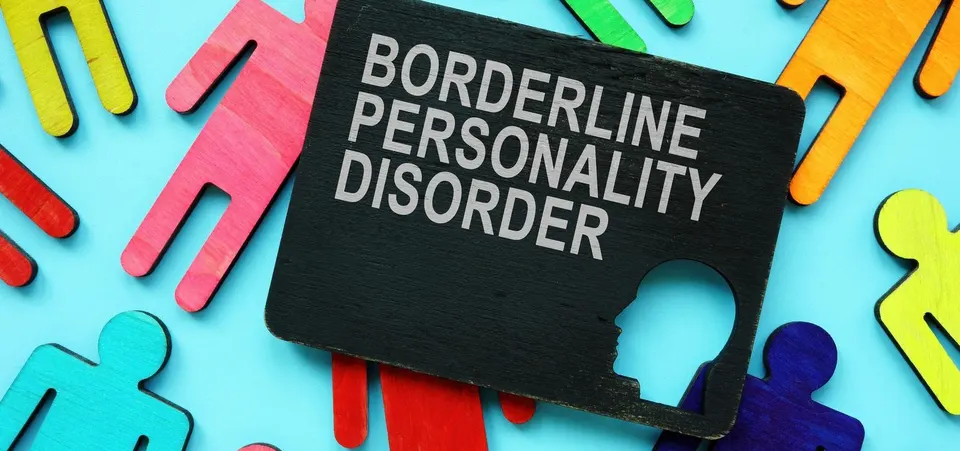
What Are Rage Attacks in BPD?
BPD rage attacks are times when a person gets very angry or irritable, even though it doesn’t seem like it should be happening. These outbursts can involve yelling, hurting others with words, breaking things, hurting oneself, or even being physically aggressive. The anger usually comes from feeling rejected, abandoned, invalidated, or threatened.
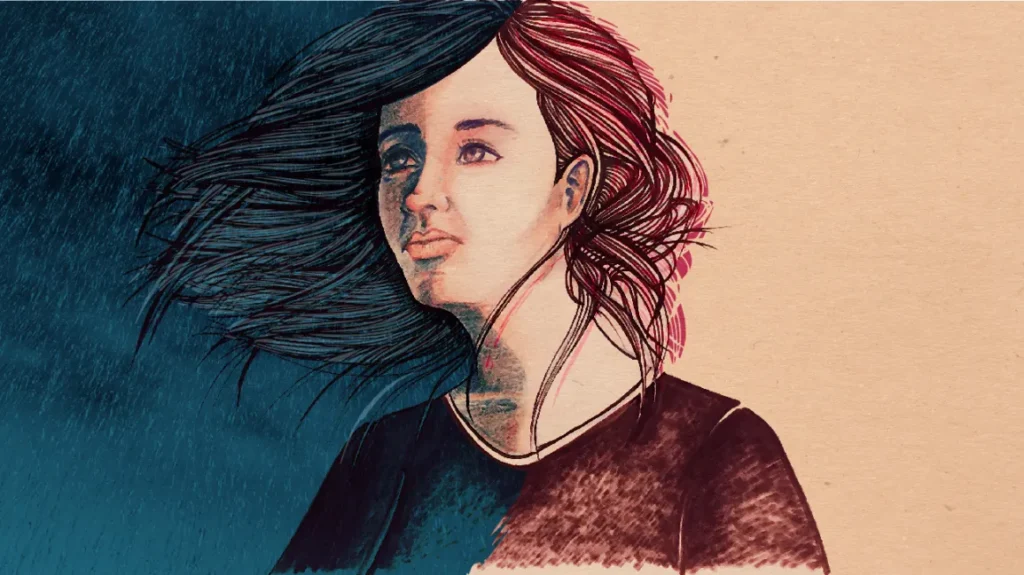
These attacks are not planned ahead of time; they happen because the person is feeling too many emotions at once, which is a key sign of BPD. People often say they feel overwhelmed with emotion and can’t control how they react. Afterward, they may feel ashamed or sorry.
What Causes Them?
There are a number of things that can make people with BPD angry:
- Emotional Dysregulation: If you can’t control your strong emotions, even small things can make you very angry.
- Fear of Abandonment: People with BPD often have a strong fear of being left or rejected, which can make them angry and defensive.
- Childhood Trauma: A lot of people with BPD have been abused, neglected, or invalidated in the past, which makes them more reactive.
- Cognitive Distortions: Thinking in black and white, blowing things out of proportion, and misunderstanding what other people mean can make you feel more betrayed or wronged.
How to Tell if Someone is Having a BPD Rage Attack
Knowing when a rage attack is about to happen can help you learn how to stop it early. Some common signs are:

Understanding why it happens doesn't make it stop.
You can know exactly what your nervous system is doing at 3 a.m. and still be awake at 3 a.m. Reading is where it starts. The Calm Reset Bundle is the part where you do something about it.
See the bundle →- Changes in mood from calm to angry all of a sudden
- Shouting or raising your voice
- Statements that blame or accuse
- Tension in the body (clenched fists, pacing, red face)
- Acting on impulse (throwing things, slamming doors)
- Withdrawal or threats to hurt oneself
Recognizing it early is important. Knowing what makes you angry and what physical signs (like an increased heart rate) mean you need to use coping strategies before the anger gets worse.
Long-Term Plans for Dealing with BPD Rage Attacks
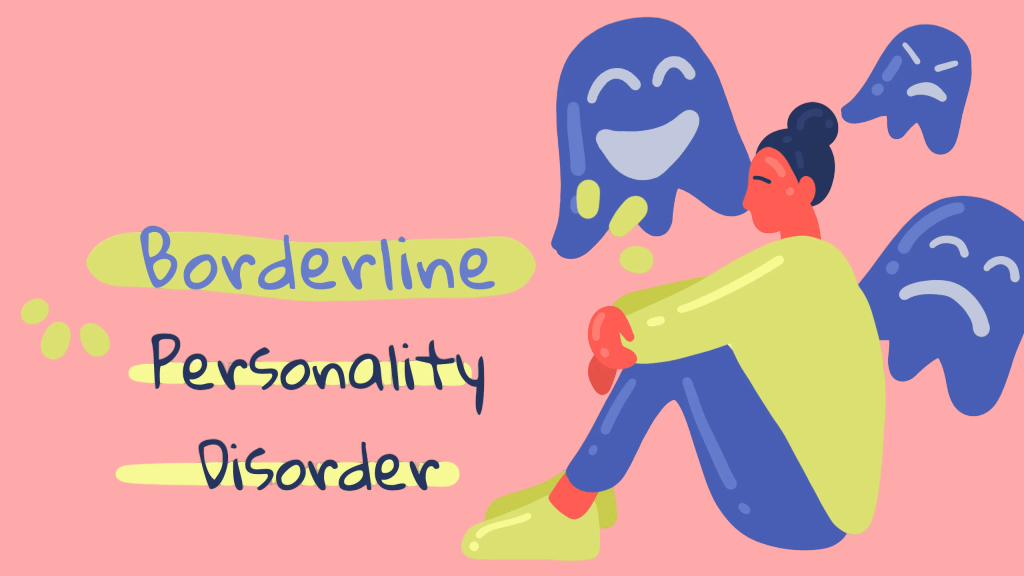
1. Dialectical Behavior Therapy (DBT)
People say that DBT is the best way to treat BPD. There are four main parts to it:
- Mindfulness: Being more aware of the present and better able to control your emotions.
- Distress Tolerance: Helping people learn how to deal with painful feelings without making things worse.
- Emotion Regulation: Ways to understand and control how you feel.
- Interpersonal Effectiveness: How to ask for what you need while keeping your relationships strong.
DBT has been shown to lower the number and severity of rage attacks.
2. Cognitive Behavioral Therapy (CBT)
CBT helps people see and change distorted ways of thinking that can cause emotional outbursts. A person can learn to do the following through CBT:
- Find beliefs that don’t make sense, like “They hate me if they don’t respond.”
- Learn to think in healthier ways
- Learn how to be aware of and control your emotions
3. Help with Medications
There isn’t a specific drug for BPD rage attacks, but some prescriptions may help calm down and lower aggression:

Most of what you read this week will be gone by Thursday.
That isn't a discipline problem. It's what happens to information you never write down. Beat Information Overload is a free 35-page workbook that turns reading into something that stays.
Get the free workbook No cost · unsubscribe in one click- Mood stabilizers, like lamotrigine and valproate
- Antidepressants (for mood problems that are causing other problems)
- Antipsychotics like aripiprazole can help with impulsivity or severe dysregulation
A psychiatrist who knows about BPD should give and keep an eye on the medications.
4. Psychoeducation and Awareness
People and families can handle things better if they understand what BPD and rage are. Learning about the biological, psychological, and social parts of rage attacks can help you feel less ashamed and more compassionate.
- Books like “I Hate You, Don’t Leave Me” or “The Dialectical Behavior Therapy Skills Workbook” can help you learn and practice new things.
5. Changes in Lifestyle
Creating a supportive lifestyle helps keep your emotions stable:
- Regular sleep schedule: Not getting enough sleep makes you more emotionally reactive.
- Balanced diet: Low blood sugar can make you irritable.
- Exercise: Releases endorphins and helps keep your mood stable.
- Less use of drugs and alcohol: Drugs and alcohol can make people more impulsive and moody.
Ways to Calm Down Anger in the Moment
Long-term plans are important, but it’s also important to know how to deal with a BPD rage attack right away. Here are some things you can do right now:
1. Ways to Ground
Grounding helps you get back to the present moment:
- The 5-4-3-2-1 technique is to name five things you can see, four things you can touch, and so on
- Having an ice cube
- Putting cold water on the face
2. Breaks
Leaving the situation that is causing the problem can stop it from getting worse. Time-outs aren’t about getting away from something; they’re about giving yourself some space to calm down and come back to the situation with a clearer mind.
3. Exercises for Breathing
Deep breathing from the diaphragm can lower physiological arousal. Practice box breathing by breathing in for four counts, holding your breath for four counts, and then breathing out for four counts.
4. How to Safely Show Anger
Find healthy ways to let it out:
- Writing down your anger
- Hitting a pillow
- Drawing feelings
- Hitting a punching bag
This lets you let go without hurting anyone.
5. Using DBT Skills in Real Life
“TIPP” (Temperature, Intense exercise, Paced breathing, Progressive relaxation) is one of the DBT techniques that is made just for emotional crises.
How to Help Someone You Love Who Has BPD Rage Attacks
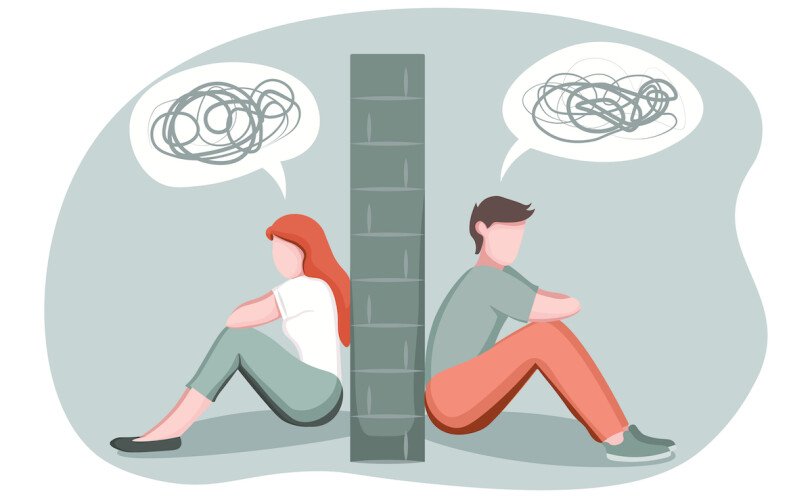
Family members and partners often feel scared or helpless when someone is angry. Here are some important rules:
1. Don’t React; Stay Calm
Don’t copy their anger. Keeping your voice and body language calm can help calm things down.
2. Accept Feelings
Validation doesn’t mean saying yes. It means recognizing that their feelings are real:
- “I can tell you’re really angry.”
- “That must be a lot to handle.”
Validation makes you feel less like you’re being rejected or misunderstood.
The 60-Day Reset
Everything on this page, sequenced into a printable ten-minute daily practice — 84 pages across anxiety, sleep, overthinking and low motivation, with a two-minute version of every day for the hard ones.
Instant PDF · 60 daily practices · 15 printable tools · Educational, not therapy
3. Set Limits
There need to be limits in healthy relationships. Say what is okay in a calm and steady way:
- “I want to help you, but I won’t put up with yelling.”
- “Let’s talk after you’ve had some time to calm down.”
4. Suggest Getting Professional Help
Help your loved one find a therapist or a DBT group to join. Join family psychoeducation or support groups like NEA-BPD (National Education Alliance for Borderline Personality Disorder).
Example from the Real World
Case Study: Sarah’s Advancement with DBT
Sarah, a 28-year-old with BPD, often had rage attacks, especially after feeling rejected. She had problems with her relationships and felt bad about herself after each outburst.
She learned to do the following after signing up for DBT:
- Find out what makes her upset (like not getting a text back)
- Use mindfulness to watch her emotional waves
- Use skills for dealing with stress when your emotions are high
Sarah’s rage attacks happened much less often within a year. She said her relationships got better and she felt more stable emotionally.
Things People Think and Say About BPD Rage
1. Myth: People with BPD Are Just Trying to Control Others
Rage attacks are not planned manipulations; they are instead ways of showing how much pain and dysregulation someone is in.
2. Myth: They Like Drama
Most people with BPD don’t like emotional chaos, but they feel stuck in patterns they can’t change.

It's rarely a motivation problem. It's five apps and no single page.
Habits in one place, money in another, notes in a third, and nowhere that shows you how the month is actually going. The Digital Life Planner is one spreadsheet that holds all of it and does the arithmetic while you get on with your life.
See how it works →3. False: BPD Can’t Be Treated
Reality: People with BPD can get better and do well with the right therapy, support, and consistency.
When to Get Help
Some self-help techniques can help calm down anger, but it’s important to get professional help if:
- Rage attacks happen more often or are more harmful
- Relationships or work life are very bad
- There is a chance of hurting yourself or someone else
Contact a licensed mental health professional who specializes in treating BPD.
In the End
To deal with BPD rage attacks, you need to be aware of yourself, use therapeutic tools, and get ongoing support. The journey may be hard, but you can learn to control your anger, make better relationships, and live a life that is worth living.
People with BPD can turn their anger into a chance to grow and heal emotionally if they practice DBT skills regularly, get support from loved ones, and get professional help.
This guide has strategies that will always work, no matter what therapy trends are going on. People who have BPD rage attacks can always find hope and help.

Quiet the noise — without burning your phone in a field.
Get Beat Information Overload free, plus the occasional calm, no-hype note from me.