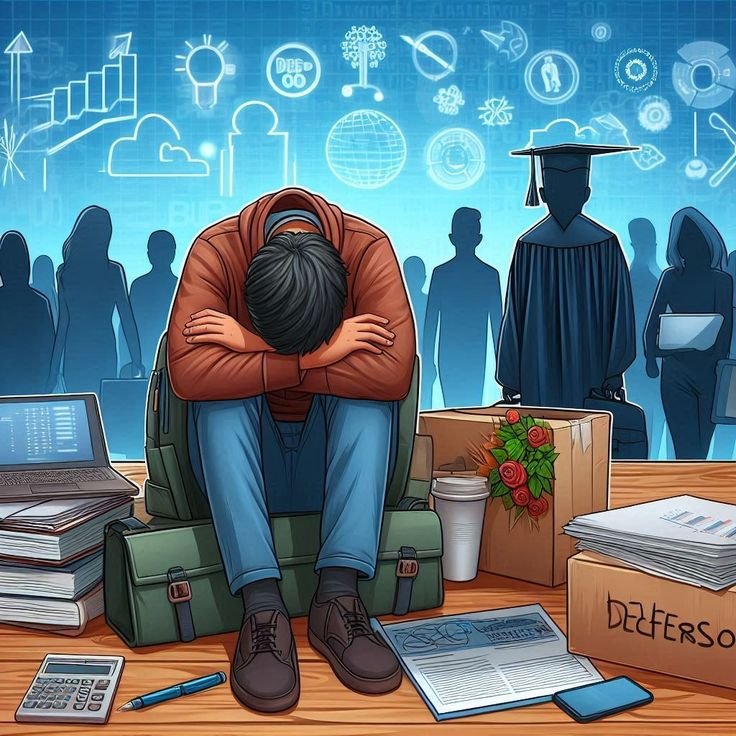
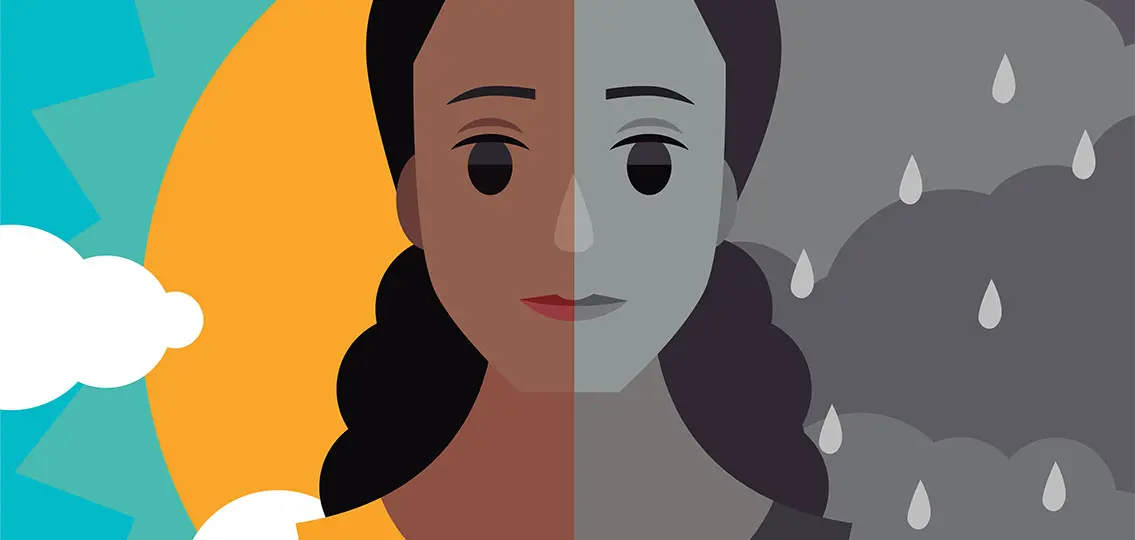
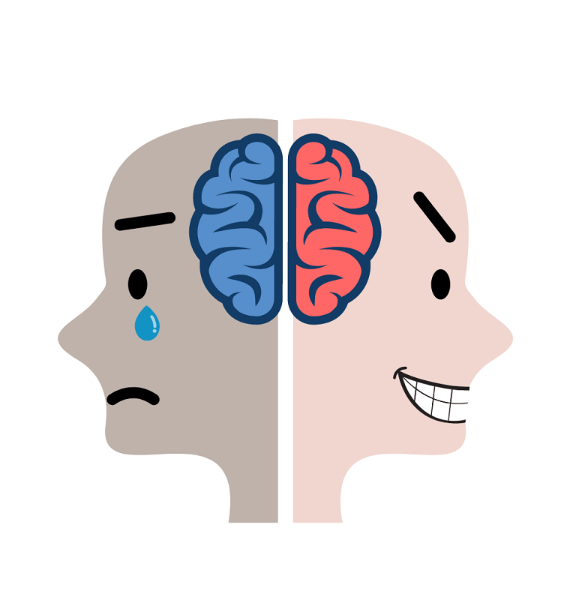
Understanding Bipolar Disorder is a complicated and often misunderstood mental illness that affects millions of people all over the world. People with this condition have very strong changes in their mood, energy, and activity levels, from very high (mania or hypomania) to very low (depression).

There's a version of this that asks you questions back.
An article can tell you what burnout is. A workbook makes you locate where you actually are in it, on paper, in your own handwriting. That's The Burnout Fix — ninety-odd pages of it.
Look at the workbook →Being able to spot the early signs of these mood changes can make a big difference in how well you can manage the condition, how good your life is, and how often you have severe episodes.
This guide is a clear, long-lasting resource for learning about bipolar disorder, with a focus on how to spot early signs of hypomania, mania, and depression. The strategies, insights, and expert advice in this article will still be useful even if treatments or mental health trends change.
1. What is Bipolar Disorder?
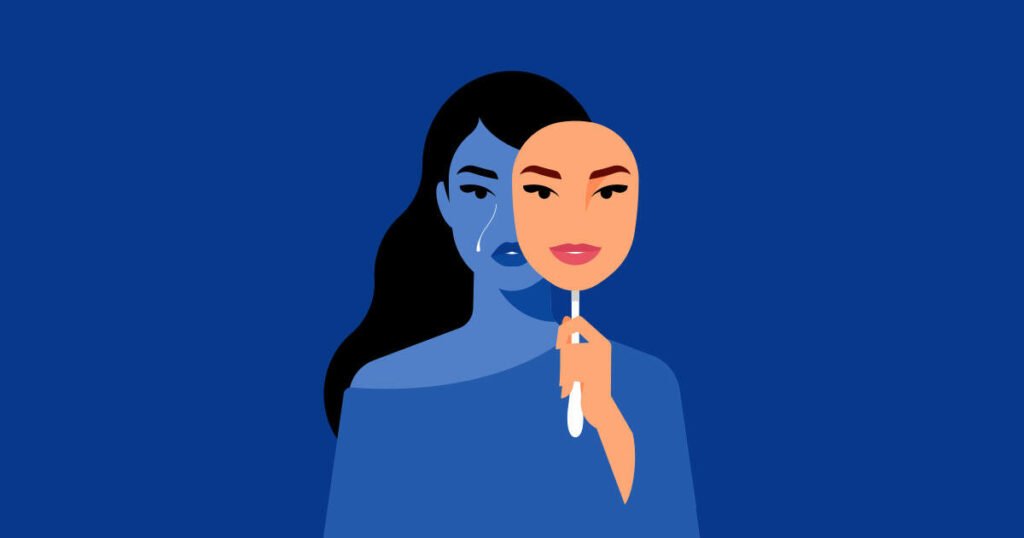
Bipolar disorder is a long-term mental health problem that causes different mood episodes. The changes in bipolar disorder are worse, last longer, and often make it hard to do everyday things.
These episodes are put into groups:
- Manic or hypomanic episodes: Times when your mood is high, your energy is high, and your activity is high.
- Depressive episodes: Times when you feel very sad, hopeless, and tired.
Different Kinds of Bipolar Disorder
Mental health experts know of many types of bipolar disorder:
The 60-Day Reset
Everything on this page, sequenced into a printable ten-minute daily practice — 84 pages across anxiety, sleep, overthinking and low motivation, with a two-minute version of every day for the hard ones.
Instant PDF · 60 daily practices · 15 printable tools · Educational, not therapy
- Bipolar I Disorder – Characterized by a minimum of one manic episode enduring at least seven days (or necessitating hospitalization), frequently alternating with depressive episodes.
- Bipolar II Disorder – Characterized by recurrent depressive episodes and a minimum of one hypomanic episode, excluding full-blown mania.
- Cyclothymic Disorder (Cyclothymia) – A milder form of the disorder that lasts for at least two years and causes mood swings that are not severe enough to be considered mania or major depression.
- Other Specified and Unspecified Bipolar Disorders – Conditions that have symptoms similar to bipolar disorder but don’t fit into the standard categories.
Why it’s important to know about bipolar disorder:
Recognizing problems early on allows for quick action, which can stop more serious episodes, lessen their long-term effects, and improve relationships, work performance, and overall health.
Read Also: How to Recognize the Early Signs of Depression: Key Symptoms and Warning Signs
2. Comprehension: Mania and Hypomania
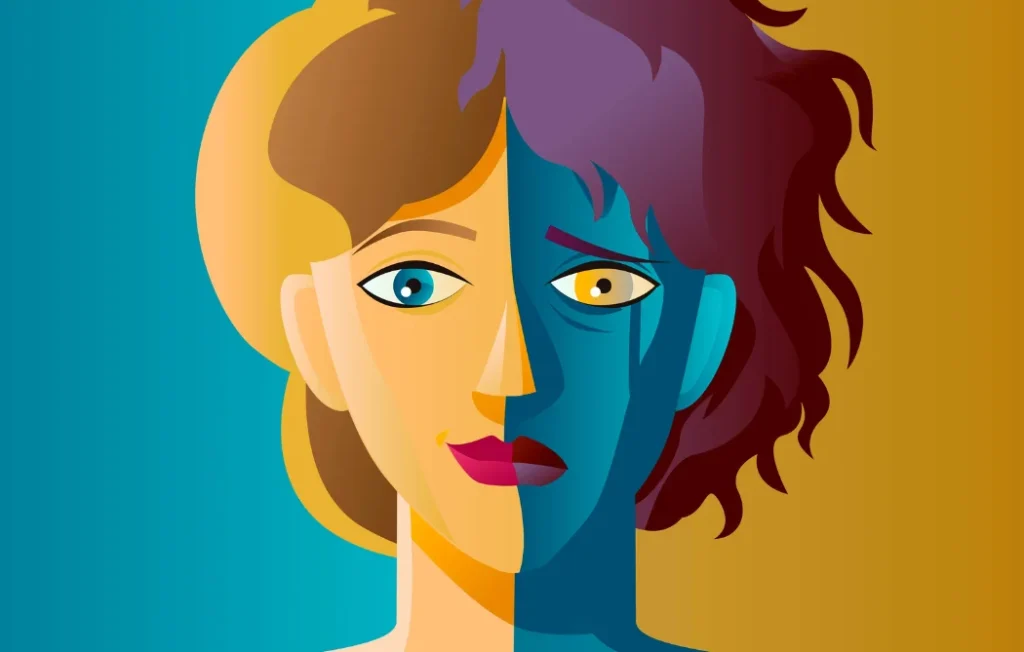
Mania and hypomania have similar symptoms, but they are not as strong or have the same effect.
Mania
Mania is a very high mood that can cause big problems in life. It can make it hard to think clearly, make you do things that are dangerous, and even put you in the hospital.
Mania’s main signs are:

Most of what you read this week will be gone by Thursday.
That isn't a discipline problem. It's what happens to information you never write down. Beat Information Overload is a free 35-page workbook that turns reading into something that stays.
Get the free workbook No cost · unsubscribe in one click- Very high or angry mood
- Too much energy and not needing as much sleep
- Thoughts that race and speech that is fast
- Making decisions on the spur of the moment (like going on spending sprees, having sex with strangers, or driving too fast)
- High self-esteem or grandiosity
- Can’t focus because your mind is always busy
Hypomania
Hypomania is a less severe type of mania. It can make you more productive and creative, but if you don’t get help, it can turn into mania.
Important signs of hypomania:
- A noticeable change in mood and an increase in energy
- More social and talkative
- More creative or goal-oriented activity
- Less need for sleep without being tired
- More self-assurance
- Could get angry when challenged
Example:
A graphic designer notices that she is staying up late working on a lot of creative projects, feeling more confident than usual, and spending more money than usual. Friends say she is more irritable and talks much faster than normal, even though she feels “amazing.” This is a classic sign of early hypomania.
3. Learning About Bipolar Depression
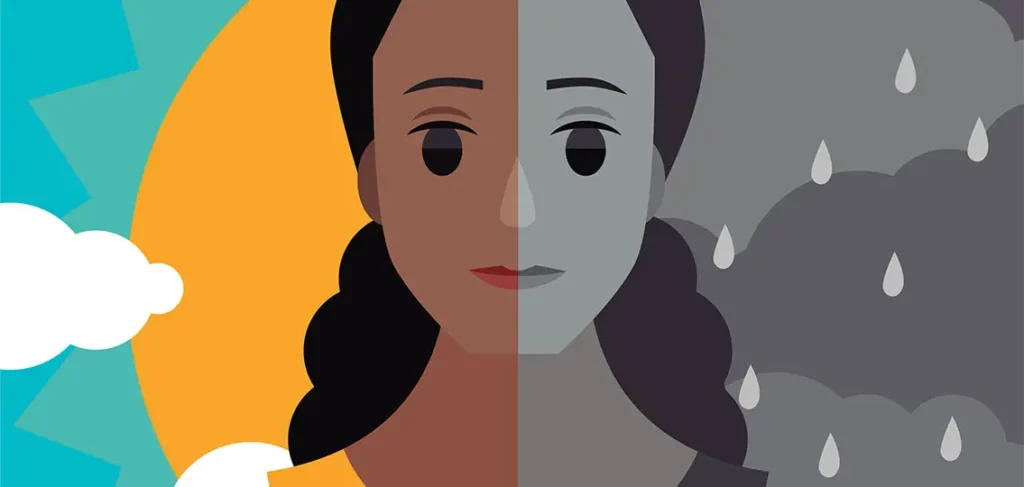
People with bipolar disorder can have very severe and debilitating depressive episodes that are often worse than regular depression.
Some of the signs are:
- Always feeling sad or empty
- Not wanting to do things anymore
- Changes in weight and appetite
- Problems with sleep (not being able to sleep or sleeping too much)
- Tiredness and low energy
- Not being able to focus
- Guilt or feelings of worthlessness
- Thoughts of killing oneself or dying
Important difference:
Treating bipolar depression can be harder than treating unipolar depression because some antidepressants can cause mania if they are not used with mood stabilizers.
4. Early Warning Signs: What They Are and Why They Matter
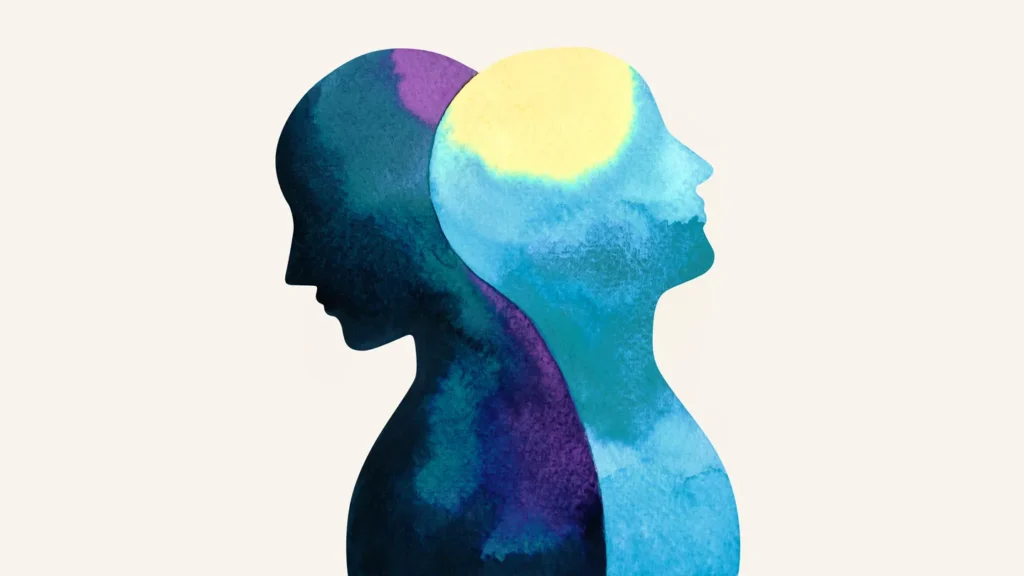
Recognizing early signs can help keep episodes from getting worse. People with bipolar disorder often notice small changes in their mood, sleep, or behavior before a full episode starts.
Signs of Hypomania or Mania in the Early Stages:
- Not needing as much sleep but not feeling tired
- Having an unusual sense of hope or power
- Speaking faster and more than usual
- Getting easily sidetracked
- More setting of goals or making big plans
Signs of Depression Early On:
- Having trouble getting up or feeling rested
- Less interest in hobbies
- More irritable or withdrawn
- Speech or thought that is slower
- Feeling heavy or tired in your body
Tip:
Keeping a mood journal or using mental health tracking apps can help you see patterns before they turn into serious problems.
Read Also: Understanding Mental Health vs. Mental Illness: Why Both Matter More Than Ever
5. The Science of Bipolar Disorder
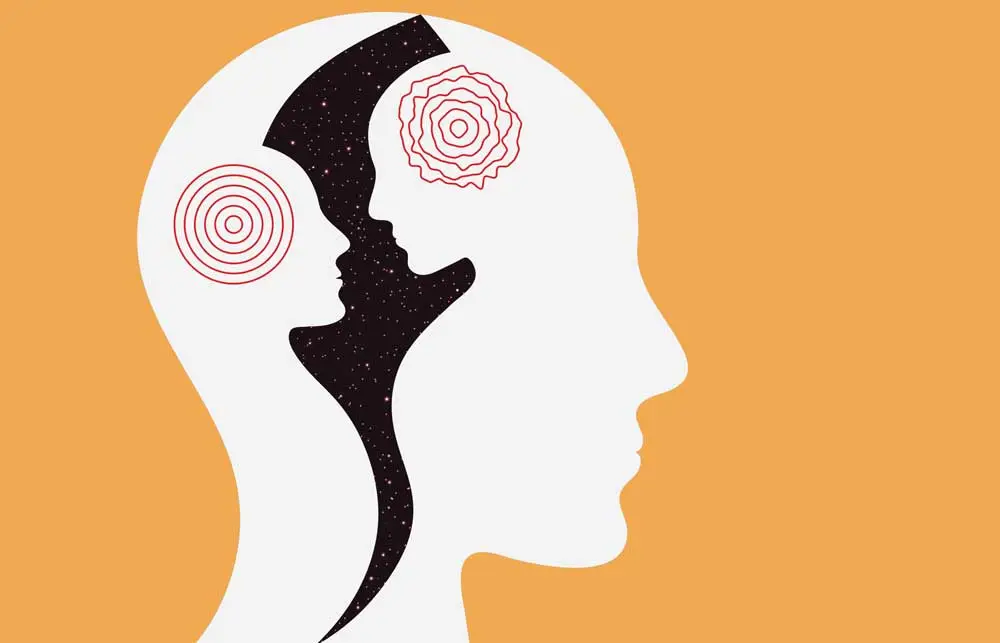
There are biological, genetic, and environmental factors that contribute to bipolar disorder.
Biological Elements
Brain imaging studies reveal variations in brain structure and function among individuals with bipolar disorder, especially in regions governing mood regulation and impulse control.
Genetic Connections
Having a close relative with bipolar disorder raises the risk, even though no one gene causes it.
Triggers in the Environment
People who are prone to episodes may have them when they are under a lot of stress, not getting enough sleep, using drugs, or going through big changes.
6. Management Strategies That Last

Even though treatment trends change, some basic strategies work over time.
Drugs
Mood stabilizers (like lithium and valproate), antipsychotics, and sometimes antidepressants are still the main treatments. Each person needs a different type of medicine, and it needs to be closely watched.
Psychotherapy
- Cognitive Behavioral Therapy (CBT): Helps you change your negative thoughts and learn better ways to deal with stress.
- Interpersonal and Social Rhythm Therapy (IPSRT): Helps people get their daily routines and sleep patterns back on track.
- Family-focused therapy: Includes family members in the healing process.
Managing Your Life and Yourself
- Regular Sleep: Keeping a regular sleep schedule is very important for keeping your mood stable.
- Healthy Diet: A balanced diet is good for your brain health as a whole.
- Exercise: Moving your body makes you feel better and less stressed.
- Stress Management: Mindfulness, meditation, and breathing exercises can help you control your feelings.
Example:
A teacher who has bipolar II disorder sticks to a daily sleep-wake schedule, uses a mood tracking app, sees her therapist twice a month, and doesn’t use social media late at night. She hasn’t had a bad episode in three years.
7. How Family and Friends Can Help
Having friends and family around can make a big difference in how things turn out.
How to Help:
- To understand mood swings, learn about bipolar disorder.
- Encourage people to stick with their treatment without judging them.
- Help keep an eye out for early signs of episodes.
- Be there for them emotionally when they’re feeling down.
- Don’t fight during mania; instead, make the space safe and calm.
8. Myths and Mistakes
- Myth: People with bipolar disorder are always unstable.
Fact: With the right treatment, many people can live stable, productive lives. - Myth: Mania is just “being happy.”
Fact: Mania can make you irritable, make bad choices, and make it hard to think clearly. - Myth: Bipolar disorder is not common.
Fact: The National Institute of Mental Health says that it affects about 2.8% of adults in the U.S. each year.
9. Long-Term View
Bipolar disorder lasts a lifetime, but with the right care, many people can stay stable for long periods of time. Early detection, consistent care, and strong support networks are the most important things.
10. When to Get Help Right Away
Seek immediate help if:
- You or someone you know has mood swings that are very bad and dangerous.
- People have thoughts of hurting themselves or killing themselves.
- Not getting enough sleep makes you feel strange and act on impulse.
Resources for times of crisis:

It's rarely a motivation problem. It's five apps and no single page.
Habits in one place, money in another, notes in a third, and nowhere that shows you how the month is actually going. The Digital Life Planner is one spreadsheet that holds all of it and does the arithmetic while you get on with your life.
See how it works →- 988 Suicide and Crisis Lifeline (U.S.): Call or text 988
- UK: Samaritans – Call 116 123
- Australia: Lifeline Australia – Call 13 11 14
Main Points
- To understand bipolar disorder, you need to know the early signs of hypomania, mania, and depression.
- Medication, therapy, changes to daily life, and strong support systems all work together to help people manage their conditions.
- Better long-term outcomes come from early detection and ongoing care.
Last Word
Bipolar disorder can be hard to deal with, but it is also very easy to manage. People can live happy, balanced lives by recognizing early warning signs, following evidence-based treatment, and creating supportive environments. The first step is to understand. Then, action and consistency will keep things moving forward.

Quiet the noise — without burning your phone in a field.
Get Beat Information Overload free, plus the occasional calm, no-hype note from me.