
People have always looked for natural ways to boost their mood because they want to find ways to improve their emotional health that will last. This article talks about one of the most interesting and long-lasting ways to improve mood: learning more about and strengthening the gut–brain connection. This article gives you timeless advice that will always be useful, based on real-world examples, expert advice, and basic science. It will stay relevant, evidence-based, and useful no matter what new health trends or technologies come along.

Understanding why it happens doesn't make it stop.
You can know exactly what your nervous system is doing at 3 a.m. and still be awake at 3 a.m. Reading is where it starts. The Calm Reset Bundle is the part where you do something about it.
See the bundle →1. Learning About the Link Between the Gut and the Brain
1.1 The Axis That Goes Both Ways
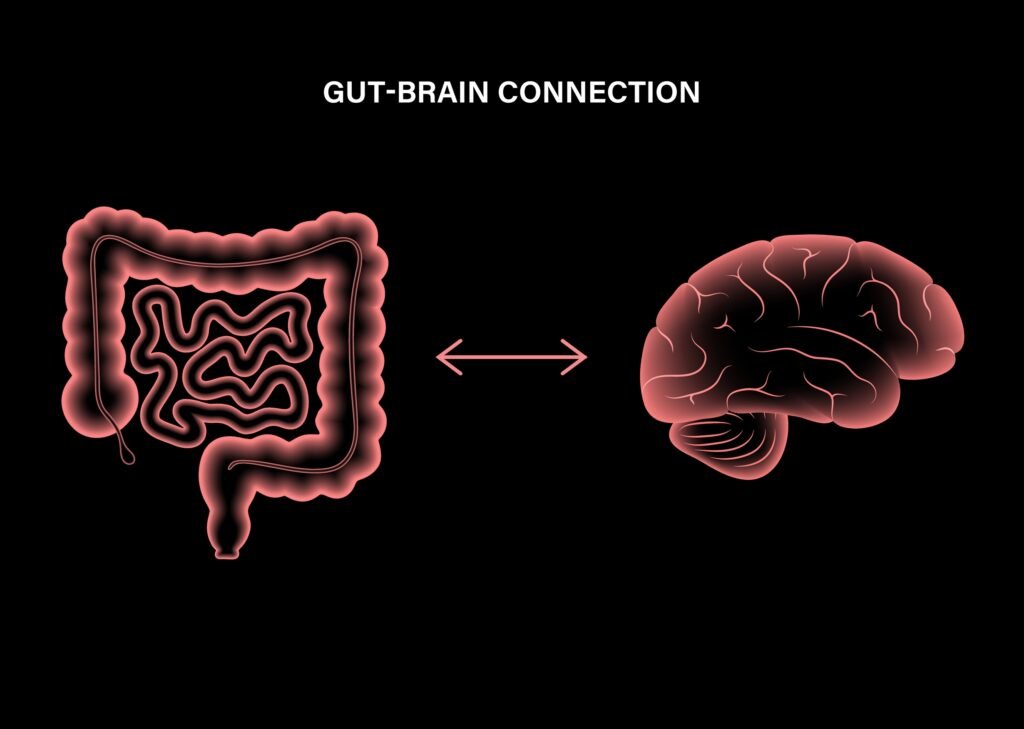
The gut–brain axis is a complicated, two-way communication network that connects the gastrointestinal system and the central nervous system. It is at the heart of our mental and emotional health. This connection includes neural, endocrine, immune, and metabolic pathways that let the brain affect the gut and the other way around.
PMC, Cleveland Clinic, and Stanford Medicine are all places to go.
- The enteric nervous system, which is sometimes called the “second brain,” is in the gut and controls digestion with a lot of neurons.
Stanford Medicine, Cleveland Clinic - The vagus nerve is the main communication highway, sending signals in both directions.
- The gut microbiome makes important neurotransmitters and chemical messengers, such as serotonin, that affect mood and thinking.
Stanford Medicine and Mental Health America, Oshi Health
1.2 Scientific Principles
A plethora of studies substantiates the correlation between gut dysbiosis and mental health disorders, including anxiety and depression.
Mental Health America, PMC, Oshi Health
- For example, clinical studies have linked functional gastrointestinal disorders such as irritable bowel syndrome (IBS) with concomitant emotional symptoms.
PMC, Mental Health America, Harvard Health - Current research expands upon these findings: Gut–brain signaling affects long COVID brain fog, Parkinson’s tremors, cognitive health, and even how we control our emotions and social interactions.
Stanford University School of Medicine, Nature
2. Why the Gut Matters for Mood: Mechanisms That Last
2.1 Neurotransmitters and the Chemistry of Mood
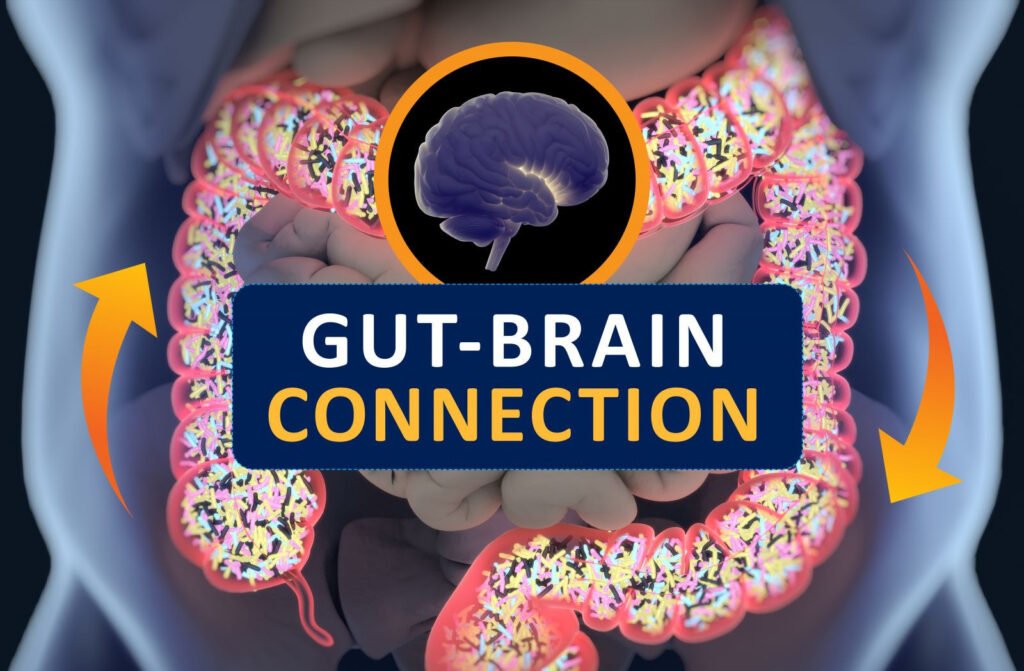
It’s amazing that the gut makes about 90% of serotonin, a molecule that controls mood. Gut microbes also affect other neurotransmitters that affect mood, like dopamine, GABA, and others. This has a direct effect on emotional regulation and resilience.
PMC, Stanford Medicine
2.2 Pathways of Inflammation and the Immune System
Inflammation in the gut can cause immune responses that change how the brain works. Dysbiosis frequently associates with heightened inflammatory markers associated with mood disorders.
PMC, Nature
2.3 Communication Between Hormones and Nerves
The vagus nerve is very important for controlling stress responses and brain function through signals from the gut.
Nature, Stanford Medicine

It's rarely a motivation problem. It's five apps and no single page.
Habits in one place, money in another, notes in a third, and nowhere that shows you how the month is actually going. The Digital Life Planner is one spreadsheet that holds all of it and does the arithmetic while you get on with your life.
See how it works →Hormones and peptides released by gut cells further facilitate systemic communication that affects mood.
3. Natural Mood Boosters: Strategies Backed by Research and Built to Last
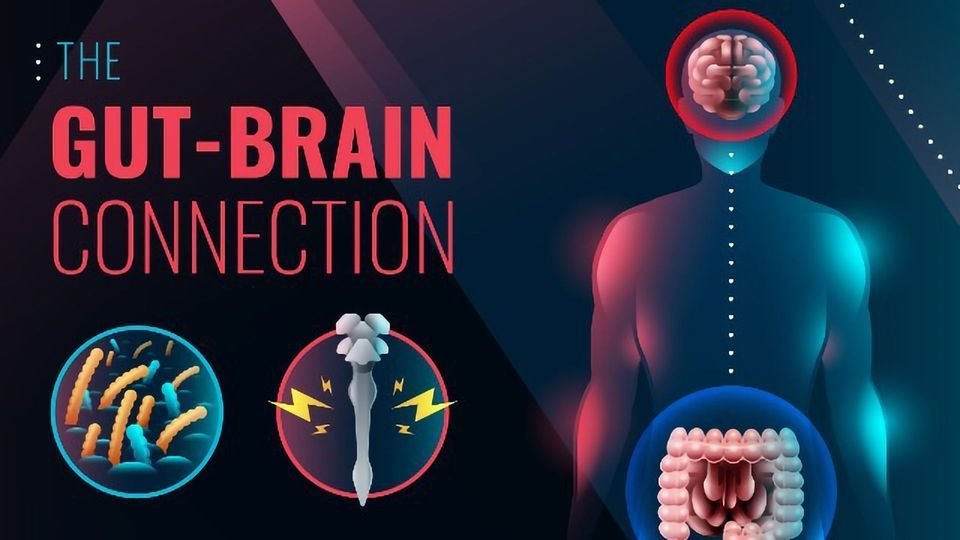
Here are some long-lasting, easy-to-follow scientific methods for taking care of your gut–brain axis and mental health—real natural mood boosters.
3.1 Diets With a Lot of Nutrients and Whole Foods
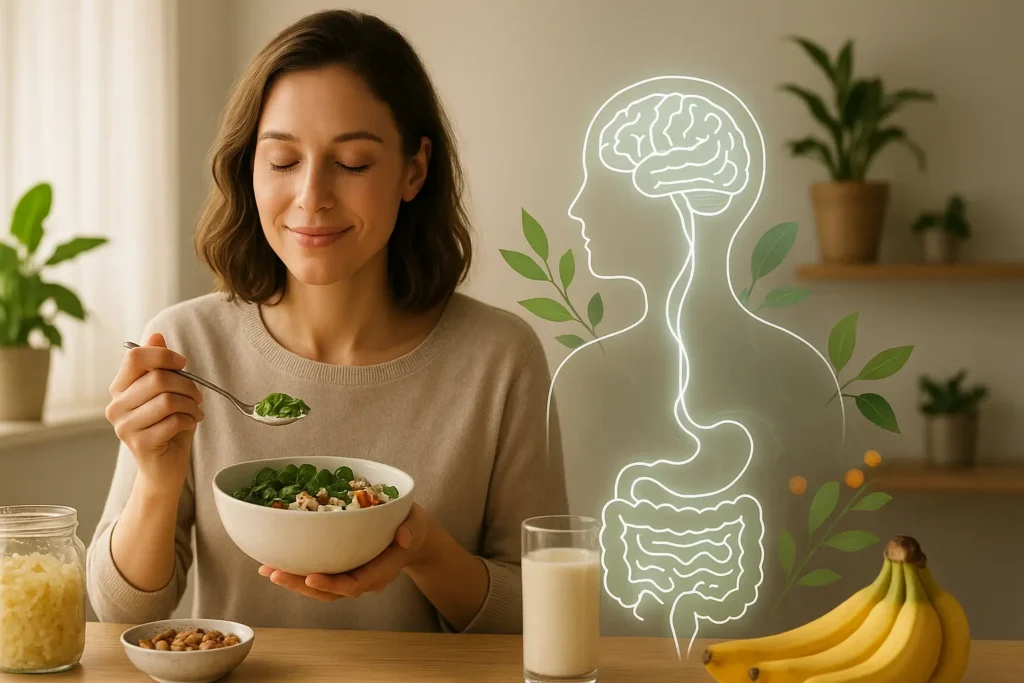
Eating a lot of whole grains, fruits, vegetables, lean proteins, and high-fiber foods is good for your microbiome and can help you control your mood.
Mental Health America, Stanford Medicine
- Fermented foods like yogurt, sauerkraut, miso, kombucha, and sourdough have probiotics, which are good microbes that help your gut stay healthy and your mind stay healthy.
- High-fiber diets are good for your gut health because fiber feeds good bacteria that make mood-boosting metabolites.
Stanford Medicine
3.2 Probiotics and Prebiotics
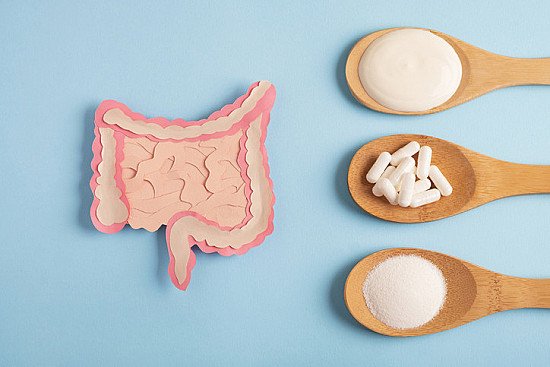
Adding probiotics (from food or carefully chosen supplements) helps keep gut colonies healthy. Prebiotics, which are dietary fibers that feed good microbes, can help in the same way and may even help with emotional stability.
Oshi Health, Nature
3.3 Techniques for the Mind and Body

Calming the nervous system can be good for both your gut and your brain:

Most of what you read this week will be gone by Thursday.
That isn't a discipline problem. It's what happens to information you never write down. Beat Information Overload is a free 35-page workbook that turns reading into something that stays.
Get the free workbook No cost · unsubscribe in one click- Diaphragmatic breathing activates the vagus nerve, which helps with gut pain and emotional stress.
- Guided meditation can help improve vagal tone and sync up the gut and brain.
- Hypnotherapy, which is used professionally to treat conditions like IBS, is very effective at relieving both gut and emotional symptoms.
3.4 Care That Includes the Whole Person
When you treat both the gut and the mind at the same time, like with GI psychologists, nutritionists, and therapists, you get better results than when you only treat one. Research consistently validates this holistic model.
Oshi Health
4. Examples From the Real World and Case Studies
4.1 Clinical Cases
- A case study of IBS demonstrated that gut-centric cognitive reframing and dietary modifications significantly enhanced both digestive symptoms and mood.
Oshi Health - In controlled trials, IBS patients undergoing gut-directed hypnotherapy frequently exhibited greater enhancements in mental health relative to those receiving solely dietary or medical interventions.
4.2 Research Demonstrations
- Germ-free animal models with healthy microbiota exhibited diminished stress responses and improved emotional resilience, underscoring the microbiome’s impact.
- Dietary interventions, such as the consumption of fermented foods or high-fiber diets, have demonstrated efficacy in increasing microbial diversity, diminishing inflammation, and improving mood symptoms.
Stanford Medicine
5. Tips for Staying in Touch With Your Gut and Mood
Here are some things you can do for a long time that will always work:
| Habit | Why It Lasts |
|---|---|
| Meals that are mostly whole foods and plants | Support a variety of gut microbes and nutrients that are good for your mood |
| Add probiotics or fermented foods | Encourage good bacteria and gut signals |
| Learn how to deal with stress | Relax the vagus nerve, ease tension in the gut, and make you feel better |
| Look for whole-person care | Fixes problems with both the stomach and emotions |
| Stay consistent | Over time, healthy habits make the gut–brain connection stronger |
6. A Summary and Things to Remember
This article talks about how the gut–brain axis affects emotional health and gives you Natural Mood Boosters that you can use for a long time. These methods, which include nourishing diets, mindfulness, and integrated care, have been around for a long time and are based on solid neuroscience and clinical research. They continue to help people stay healthy.
The bottom line: You should take care of both your gut and your mental health at the same time. It’s not just a trend; it’s basic biology that gives people the ability to be mentally and physically strong for a long time.

Quiet the noise — without burning your phone in a field.
Get Beat Information Overload free, plus the occasional calm, no-hype note from me.