
People often say that being a parent is one of the best things that can happen to you, but it can also be one of the most stressful.
People with Obsessive-Compulsive Disorder (OCD) may find it even harder to raise kids because of their hidden rituals, constant anxiety, and intrusive thoughts.
These symptoms don’t just make a parent feel mentally drained; they can also make it hard for them to feel secure in their parenting choices and connect with their kids emotionally.

This article talks about how OCD can show up in parenting, what it might look like behind the scenes, and how to deal with it in the long term.
If you have OCD, are a partner, a therapist, or a worried loved one, it’s important to understand how these things all work together to help and heal.
What Does OCD Mean? A Quick Look

Obsessive-Compulsive Disorder (OCD) is a long-term mental illness that is defined by:
- Obsessions are thoughts, images, or urges that you don’t want, that are intrusive, and that make you feel bad.
- Compulsions are actions or thoughts that you do over and over again to get rid of the anxiety that obsessions cause.
OCD usually has to do with common themes like cleanliness, harm, perfectionism, or morality, but it affects people in different ways.
It’s important to note that OCD symptoms often change and grow depending on the situation, such as when someone becomes a parent.
Why OCD Gets Worse When You Have Kids
Becoming a parent means being responsible, not knowing what will happen, and having a lot of emotional stress, which are all things that make OCD worse. Here’s why:
- Increased Sense of Responsibility: People with OCD need to feel in control and certain. There are times when you can’t be sure when you’re a parent.
- Lack of Sleep and Stress: Being tired makes it harder to deal with things and makes you more anxious.
- Cultural Expectations: Today’s parents feel a lot of pressure to be “perfect,” which makes them even more afraid of hurting someone or making a mistake.
- Change in Identity: Becoming a parent can make you question your existence and make you more vulnerable, both emotionally and physically. This can be very hard for someone with OCD.
OCD in Parenting
1. Thoughts That Get in the Way of Harm
A lot of parents with OCD have upsetting thoughts or images in their heads about hurting their child, whether on purpose or by accident. These could be:
- Imagining letting the baby fall down the stairs
- Thoughts of hurting or suffocating the child while doing normal care
- Concerns about exposing the child to germs or toxins
These do not reflect the parent’s desires; they are ego-dystonic, indicating a conflict with the individual’s values.
But the pain they cause is very real.
2. Checking and Getting Reassurance Over and Over
To calm their worries about these thoughts, parents might create secret rituals like these:
- Checking to see if the oven is off again and again
- Watching the baby sleep too much to make sure they’re breathing
- Asking their partner or a doctor over and over again if the child is “okay”
Although these behaviors may appear trivial, they are time-consuming, diminish engagement with the child, and perpetuate the OCD cycle.
3. Avoidance and Mental Rituals
Not all compulsions are easy to see. Some parents might do mental reviewing, like:
- Thinking back on what they did to make sure they didn’t do anything wrong
- Going over interactions again to see if they hurt their child’s feelings
- Not doing certain things, like taking a bath, because you’re afraid of intrusive thoughts
Avoiding things can make you emotionally distant from your child or too dependent on other people.

There's a version of this that asks you questions back.
An article can tell you what burnout is. A workbook makes you locate where you actually are in it, on paper, in your own handwriting. That's The Burnout Fix — ninety-odd pages of it.
Look at the workbook →4. Obsessions With Cleanliness and Contamination
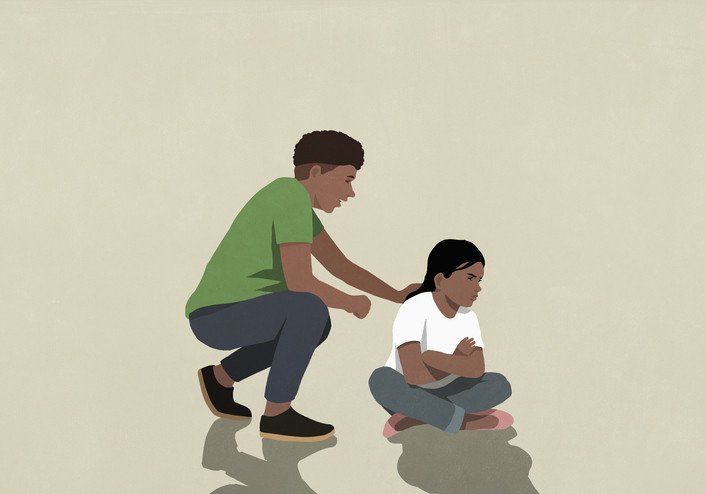
This includes being very worried about:
- Germs on clothes or toys
- The child getting sick from other kids
- Too much cleaning or not playing outside
Parents may keep themselves or their kids apart, which can slow down healthy social growth and raise stress levels at home.
Secret Rituals That Only Parents With OCD Have
Parents with OCD often keep their rituals secret because they are ashamed or afraid of being judged. Some of these are:
- Keeping too many records of every health detail (like diaper counts and fever logs)
- Reading parenting books again and again to calm down
- Checking the area for safety over and over again before letting the child crawl or play
- Even when they are clean, washing toys and clothes many times
These rituals may give you a little bit of relief at first, but over time they make you more afraid and keep you from having bonding experiences.
A Real-Life Example: Emily’s Story
Emily, a new mother who was diagnosed with OCD in her early 20s, noticed that her symptoms got worse after she gave birth.
Even when the baby monitor was on, she would wake up every hour to make sure her baby was breathing. She didn’t use knives in the kitchen because she was afraid she would lose control and hurt her child.

Most of what you read this week will be gone by Thursday.
That isn't a discipline problem. It's what happens to information you never write down. Beat Information Overload is a free 35-page workbook that turns reading into something that stays.
Get the free workbook No cost · unsubscribe in one clickEmily never acted on her intrusive thoughts, but the shame made her suffer in silence.
She only started to see her OCD as a disorder and not a sign of how good of a parent she was after going to a support group and starting exposure therapy.
How OCD in Parenting Differs From Typical Parental Anxiety
Every parent worries. The difference is in how strong, how often, and how much it affects you:
| Normal Concern | Worry Caused by OCD |
|---|---|
| Comes and goes | Keeps coming back and getting in the way |
| Linked to a certain event | Can be illogical or not based on reality |
| Helps get people to take action or make plans | Causes people to avoid things or do compulsive rituals |
| Lessens with logic or reassurance | Keeps going even after being told or shown it is okay |
When you have OCD as a parent, it’s more than just being careful; it becomes a cycle of fear and compulsions that make it hard to be a good parent.
Strategies for Dealing With OCD in Parenting That Experts Say Will Last

1. Cognitive-Behavioral Therapy (CBT) With Exposure and Response Prevention (ERP)
CBT with ERP is the best way to treat OCD. This means:
- Gradual, organized exposure to thoughts or situations that make you afraid
- Stopping the usual compulsive reaction
- Teaching the brain to deal with uncertainty again
ERP can be tailored for parents, assisting them in diminishing rituals without jeopardizing the child’s welfare.
2. Approaches Based on Mindfulness and Acceptance
Mindfulness doesn’t try to get rid of intrusive thoughts; instead, it helps parents watch them without judging them.
ACT (Acceptance and Commitment Therapy) and other similar methods support parenting based on values instead of fear.
Some helpful methods are:
- Grounding exercises when you have bad thoughts
- Do some breathing exercises before giving in to a compulsion
- Using a values journal to help you remember your parenting goals
3. Drugs When Appropriate
SSRIs, or selective serotonin reuptake inhibitors, such as fluoxetine or sertraline, are often given to people with OCD.
They are safe to take during pregnancy and while breastfeeding with medical supervision.
Taking medicine helps lower the number of intrusive thoughts, which makes therapy work better.
4. Making a Network of Support
OCD is made worse by shame and keeping things secret.
Joining an OCD support group for parents, either online or in person, can help you feel less alone.
Some helpful help might be:
- Therapists who know how to treat OCD in pregnant women or parents
- Partners who know what OCD is and how to deal with compulsions
- Friends or family who can help with childcare when things get bad
5. Getting Used to Not Knowing What Will Happen
Learning to live with the unknown is one of the most important skills for parents with OCD.
This means:
- Accepting that you can’t stop all harm
- Choosing to do what you believe in instead of what scares you
- Letting love and discomfort coexist
Over time, this strengthens emotional resilience in both the parent and the child.
The Long-Term Effects of Not Treating OCD in Parenting
If not treated, OCD can:
- Get in the way of the bond between parent and child
- Make parents more tired or depressed
- Make people too protective or set boundaries that aren’t clear
- Make things tense with co-parents or family members
Kids can also pick up on their parents’ stress and copy it.
Early intervention helps both the parent and the family’s emotional health.

It's rarely a motivation problem. It's five apps and no single page.
Habits in one place, money in another, notes in a third, and nowhere that shows you how the month is actually going. The Digital Life Planner is one spreadsheet that holds all of it and does the arithmetic while you get on with your life.
See how it works →
Teaching Kids About Mental Health (For Their Age)
Parents with OCD are often afraid that their kids will “find out.”
But being honest about mental health in a way that is right for your age can show how strong you are.
For instance:
- “Sometimes my mind gets stuck on things that worry me.” I’m working on it.
- “Mommy is going to therapy to get better.”
This builds trust and sets a good example for how to show your feelings.
When to Get Help
If OCD in parenting starts to:
- Stop you from having fun with your child
- Make people afraid, avoidant, or upset all the time
- Get in the way of basic duties
- Make you feel bad or hopeless
…it’s time to get help from a professional. Getting help for OCD is a sign of strength, not weakness.
In Conclusion, It Is Possible to Be a Parent With OCD
It can be hard to deal with OCD as a parent, especially when you can’t see the rituals and thoughts.
But with the right care, a strong support system, and a dedication to your values, you can be a great parent.
You’re not the only one.
A lot of parents with OCD don’t talk about it, but a lot of them have found real, lasting recovery.
You can get your peace back and focus on what’s most important: building a healthy, loving relationship with your child.
To do this, you need to understand the condition, let go of shame, and choose courage over control.
Things That Will Last Forever
- OCD in parents often shows up as secret rituals and upsetting thoughts that get in the way.
- It’s not like normal worry; it’s long-lasting, upsetting, and disruptive.
- ERP therapy, mindfulness, and support groups are some of the treatments that can help you feel better for a long time.

Quiet the noise — without burning your phone in a field.
Get Beat Information Overload free, plus the occasional calm, no-hype note from me.