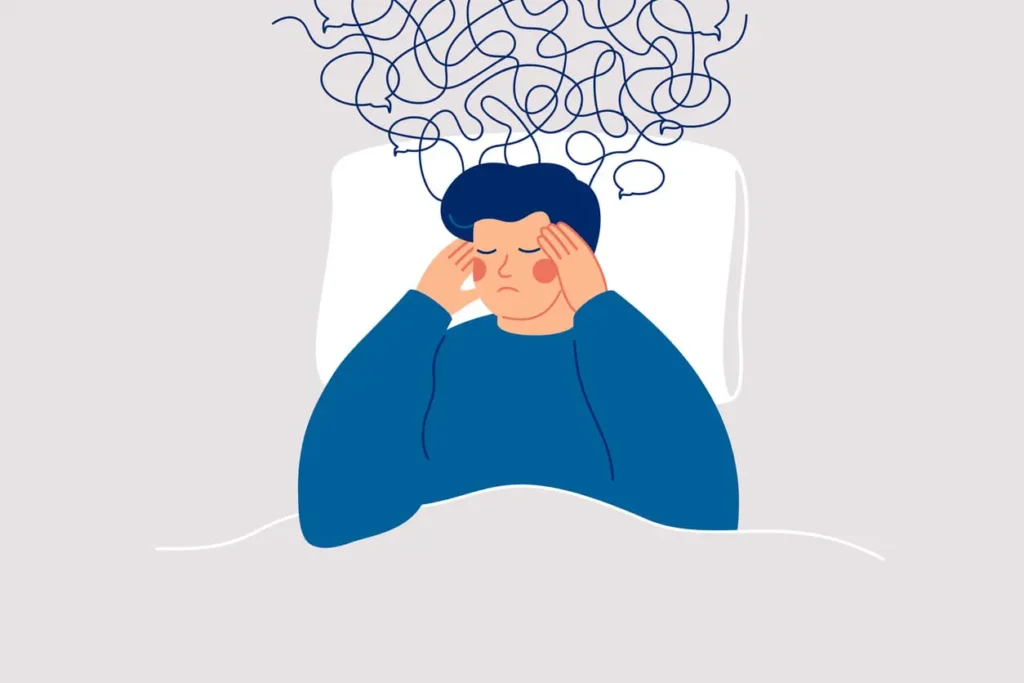
Thoughts of suicide can be too much to handle, make you feel alone, and scare you. They can happen when someone is very stressed, feels hopeless, or is in a lot of emotional pain. These thoughts may seem like they’ll last forever, but they are usually just temporary crises that can be overcome with the right help and tools. If you or someone you care about is thinking about killing themselves, know that you’re not alone. Many people have been in this situation and found ways to get through it and feel better in the end.

There's a version of this that asks you questions back.
An article can tell you what burnout is. A workbook makes you locate where you actually are in it, on paper, in your own handwriting. That's The Burnout Fix — ninety-odd pages of it.
Look at the workbook →This guide gives you safe, creative, and caring ways to deal with suicidal thoughts and stay grounded when your feelings are too much to handle. This information is “evergreen,” which means it will stay useful for years to come because it is based on basic coping skills, research-based methods, and the timeless need for human connection.
If you are in immediate danger of acting on suicidal thoughts, it is very important that you call a crisis line or a trusted person right away.
US: Call or text 988 to reach the 988 Suicide & Crisis Lifeline.
UK & Ireland: Samaritans — Call 116 123 (freephone)
Australia: Lifeline Australia — Call 13 11 14
If your country isn’t on the list, you can find an international list at: https://findahelpline.com
Getting to Know Suicidal Thoughts

They Are a Sign, Not a Name
You are not defined by having suicidal thoughts. They are a sign that you are in so much pain that your mind is looking for a way out. Suicidal thoughts are often connected to feeling like a burden and feeling like you don’t belong (feeling like you don’t belong). Understanding that these thoughts are symptoms and not facts can help you distance yourself from them.
Common Reasons
There are many reasons why someone might think about killing themselves:
- Conditions that affect mental health include depression, bipolar disorder, PTSD, anxiety disorders, and borderline personality disorder.
- Acute life stressors include losing a job, having money problems, breaking up with someone, or grieving.
- Long-term pain or sickness
- Trauma from the past or abuse that is still going on
- Being alone or cut off from others
The Science of Strong Emotions
The amygdala, which is in charge of finding threats, can take over the prefrontal cortex, which is in charge of logical thinking, when we are in a lot of emotional pain. This makes thoughts of suicide seem urgent and “true.” But just like waves, the intensity of our feelings goes up, reaches a peak, and then goes down again, if we can ride it out safely.
Safely Comforting Suicidal Thoughts

“Comforting suicidal thoughts” does not mean agreeing with or supporting them, so it’s important to know this. Instead, it means being kind, patient, and using grounding techniques to deal with the pain behind them until the crisis is over.

It's rarely a motivation problem. It's five apps and no single page.
Habits in one place, money in another, notes in a third, and nowhere that shows you how the month is actually going. The Digital Life Planner is one spreadsheet that holds all of it and does the arithmetic while you get on with your life.
See how it works →Here are some safe and creative ways that have helped a lot of people around the world deal with suicidal thoughts.
1. Make a “Crisis Comfort Box”
A Crisis Comfort Box is a collection of things, either physical or digital, that can help you feel calmer and more connected when you’re feeling suicidal. This could mean:
- Pictures of people you love, pets, or places that make you feel calm
- Essential oils (like lavender, vanilla, and peppermint) or scented lotion
- A list of songs that make you feel good or calm
- Letters to yourself from times when you were stronger
- A small stone or fidget toy to hold
- A list of reasons to stay alive, even small ones like “I haven’t had that dessert I love in months.”
How it works: Having physical, sensory reminders can break cycles of hopelessness and help you focus on calming sensations and meaningful connections.
2. Use Your Senses to Practice Grounding
When you’re having suicidal thoughts that make you want to do something dangerous, grounding techniques can help you focus on the present. The 5-4-3-2-1 method is one that many people use:
- Five things you can see
- Four things you can feel
- Three sounds you can hear
- Two things you can smell
- One thing you can taste
These steps use different parts of the brain to break the cycle of painful, repetitive thoughts.

3. Write Without Changing It
Get a notebook or open a blank document and write down every thought that comes to mind without judging or censoring it. You could write:
“I don’t think I can go on. I’m sleepy. I don’t want to feel this way anymore.”
Then, keep going until your thoughts start to slow down. This method takes what’s in your head and puts it outside of it, which lowers the stress. Some people even write letters to their pain, as if it were a person.
4. Call a “Crisis Buddy”
If you can, find at least one person you can talk to when your suicidal thoughts get really bad. This doesn’t have to be someone who “fixes” the problem; it could just be someone who will listen without judging.
You could say:
“I’m having a really bad time right now. Would you mind staying on the phone with me for a bit?”
Hearing another person’s voice can help break the isolation, even if you don’t talk about your thoughts directly.

Most of what you read this week will be gone by Thursday.
That isn't a discipline problem. It's what happens to information you never write down. Beat Information Overload is a free 35-page workbook that turns reading into something that stays.
Get the free workbook No cost · unsubscribe in one click5. Do Things That Don’t Put Too Much Pressure on You — Expressing Yourself Creatively
Creativity can help you express feelings that are too hard to put into words. Some choices are:
- Doodling or scribbling without worrying about how it will turn out
- Playing a simple song on an instrument
- Shaping your feelings with clay or playdough
- Putting together pictures from magazines that show what you feel inside
Why it works: Creative expression uses different neural pathways than verbal reasoning, which can help people feel better without needing to find a “solution” right away.
6. “Urge Surfing”
Urge surfing is a technique from addiction recovery that helps you notice suicidal urges like waves that rise, crest, and fall.
- Step 1: Recognize the urge: “I see that I want to get away right now.”
- Step 2: Take a deep breath and picture the urge as a wave you’re riding.
- Step 3: Keep track of how the intensity changes over time.
This changes the way you think about suicidal thoughts by making them seem like temporary feelings instead of permanent truths.
7. Take Small Steps to Break the Moment Up
If you can’t stand the future, try only thinking about the next five minutes. Say:
“What is one small thing I can do right now that won’t hurt me?”
Some things you can do are:
- Drink a glass of water
- Go outside
- Splash cold water on your face
- Stretch your arms
Living in shorter time frames can help you deal with the pain better.
Long-Term Plans to Keep It from Happening Again

These tools that help you in the moment are very useful, but it’s also important to make long-term plans for dealing with suicidal thoughts so they happen less often and aren’t as strong.
Make a Network of Professional Support
- Therapists and counselors who know how to help people avoid suicide can help you make safety plans that are right for you.
- Psychiatrists can figure out if medicine might help with underlying problems.
- People who have been through the same things as you can help you understand in support groups.
Make Social Connections Stronger
Being alone can make thoughts of suicide stronger. Think about:
Most of what you read this week will be gone by Thursday.
That isn't a discipline problem. It's what happens to information you never write down. Beat Information Overload is a free 35-page workbook that turns reading into something that stays.
Get the free workbook No cost · unsubscribe in one click- Helping out with a cause you care about
- Making plans to check in with friends on a regular basis
- Joining communities online or in person that share your interests
Even light, casual relationships can help you feel less alone in the world.
Don’t Miss:
How to Deal with Loneliness After a Suicide Attempt: A Guide to Mental Health Recovery
Learn How to Control Your Emotions
With methods like:
- Mindfulness meditation lets you watch your thoughts without getting attached to them.
- Skills from Dialectical Behavior Therapy (DBT) for dealing with stress
- Breathing exercises to help the nervous system relax
These tools help you deal with emotional pain without hurting yourself.
Deal With the Root Problems
People who think about killing themselves often have bigger problems. Treating the underlying problems can greatly lower suicidal thoughts, whether they are healing from trauma, dealing with drug use, or managing a chronic illness.
When to Get Help Right Away
If you need help right away:

Understanding why it happens doesn't make it stop.
You can know exactly what your nervous system is doing at 3 a.m. and still be awake at 3 a.m. Reading is where it starts. The Calm Reset Bundle is the part where you do something about it.
See the bundle →
- Have a plan and the tools to hurt yourself
- Feel like you can’t keep yourself safe
- Pay attention to when your thoughts get more frequent or intense
There are emergency resources and crisis lines that can put you in touch with trained listeners who care and can help keep you safe.
Real-Life Stories of Strength
A lot of people who used to want to kill themselves have gone on to live happy, meaningful lives. For instance:
- Sara used art therapy to deal with her trauma, and now she runs workshops for teens who are in trouble.
- James, who called a crisis helpline when he was at his lowest point, got the strength to start therapy and is now a mental health advocate.
These stories show us that suicidal thoughts can go away and that getting better is possible.
Last Thoughts
Comforting suicidal thoughts means making your mind and surroundings safe so you can get through the emotional storm. You don’t have to deal with these thoughts by yourself, and you don’t have to act on them. With caring strategies, connection, and time, the pain can get better, and life can feel worth living again.
If you’re having a hard time right now, please call a crisis service or a trusted friend. You are important, your life matters, and there is help out there.

Quiet the noise — without burning your phone in a field.
Get Beat Information Overload free, plus the occasional calm, no-hype note from me.