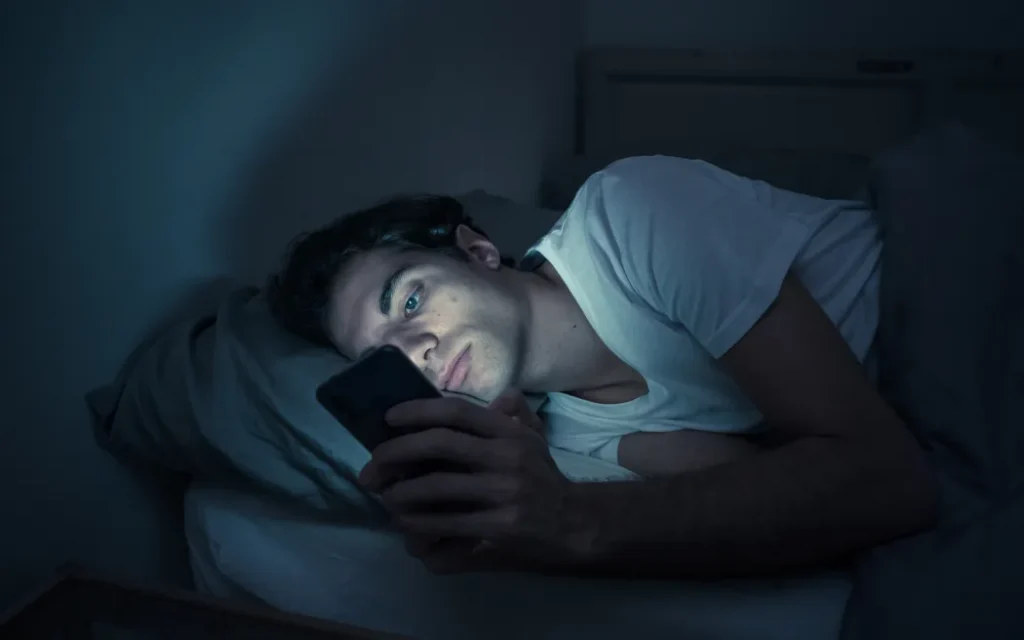
Have you ever found yourself reaching for your phone instinctively, only to realize minutes (or hours) have vanished without you even noticing? Social media was designed to connect us, but somewhere along the way, it’s pulled many of us into a cycle of constant scrolling, checking, and refreshing. I can’t count the number of times I’ve caught myself lost in an endless stream of images, stories, and memes, even when I’d just meant to “quickly check something.” Social media addiction might sound extreme, but if we’re honest, many of us are feeling its pull.

There's a version of this that asks you questions back.
An article can tell you what burnout is. A workbook makes you locate where you actually are in it, on paper, in your own handwriting. That's The Burnout Fix — ninety-odd pages of it.
Look at the workbook →Most of us have good intentions—we want to stay in touch, be updated on our friends’ lives, or get that daily dose of news. But when does it become too much? I’ve seen people, myself included, get tangled up in social media, unable to resist the lure of likes, comments, and instant notifications. I’ll walk you through signs that suggest you might be hooked and share strategies to help you regain control. Because, honestly, life feels a lot lighter when you’re not tied to your phone.
Understanding and addressing these signs doesn’t mean cutting off social media altogether. But it’s about creating boundaries, finding balance, and ensuring we’re using it consciously, rather than letting it use us. Let’s dive in.
You Check Social Media First Thing in the Morning
Why This Can Be Harmful
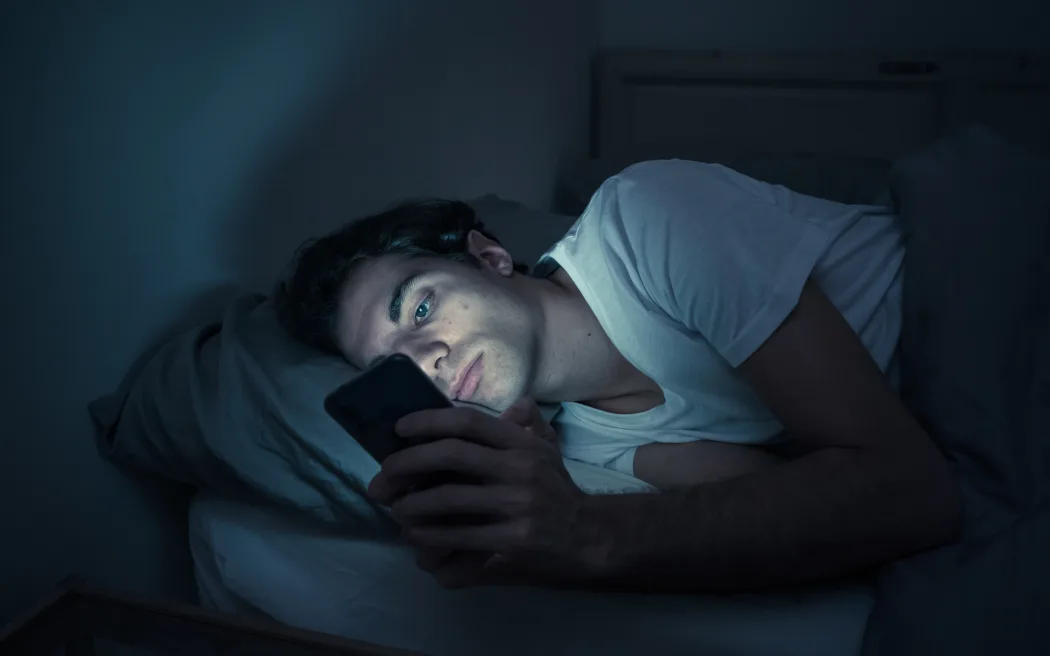
I’ll be the first to admit, I used to roll over in bed each morning and immediately reach for my phone. A quick scroll, I thought, would ease me into the day. But then I’d find myself starting the day with other people’s updates, negative news, or even comparing myself to someone’s picture-perfect post. Studies have shown that when we check our phones first thing, it spikes our cortisol and sets us up for a more anxious day. Think of it like putting your mind on “high alert” before you even brush your teeth.
How to Start Your Day Differently
Try creating a simple morning routine without your phone. This could be as simple as a glass of water, a few deep breaths, or writing down three things you’re looking forward to that day. Even delaying that morning scroll by 15 minutes can make a difference. I now leave my phone in another room overnight, and while it was hard at first, I noticed how much lighter I felt. It’s empowering to take back control of those first moments of the day.
You Feel Anxious or Lonely After Using Social Media
Recognizing the Emotional Impact
Ever noticed how scrolling through your feed can sometimes leave you feeling down? A friend of mine confessed that every time she looked at Instagram, she felt lonelier. And she’s not alone—research backs this up. When you’re constantly looking at others’ highlight reels, it’s easy to start feeling like your own life isn’t measuring up. I’ve had moments where I felt almost… sad, even though nothing had changed in my life except for the ten minutes I spent scrolling.
Taking Breaks and Building Positive Habits
Try noticing how you feel after each social media session. I like to think of it as a “mood check-in.” If you feel worse, limit your time or unfollow accounts that trigger those feelings. Another tip? Engage in real-life connections. The other day, instead of messaging a friend, I called her, and we had a long, meaningful conversation that left me smiling all day. These little changes bring a big boost to mental health.
You Lose Track of Time While Scrolling
Recognizing the Time Sink
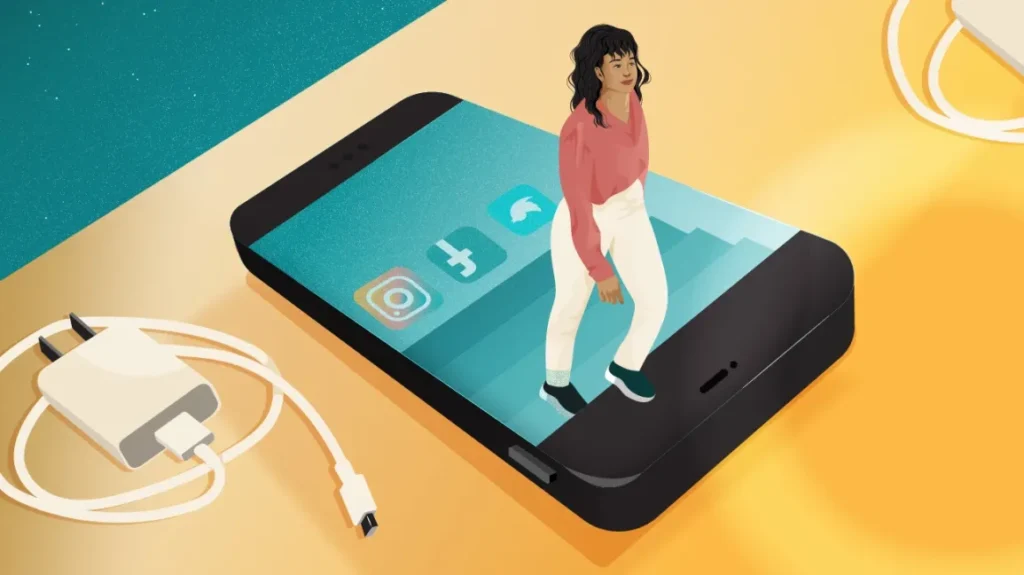
One of the clearest signs of social media addiction is the dreaded “I only meant to check it for a minute” syndrome. We’ve all been there. I remember once intending to spend just five minutes on Twitter, and then looking up to realize it had been almost an hour. It’s not just me, either. Platforms are built with algorithms that aim to keep us engaged, so once you start, it’s hard to stop.
Setting Practical Limits
Consider using time-limit tools available on most smartphones. I set a daily limit for myself now. It might sound extreme, but it’s amazing how freeing it feels. If the idea of a limit seems restrictive, start small—try setting a timer for 15 or 30 minutes when you open an app. Knowing a timer will go off helps me stay mindful, and I feel much more productive when I’m not letting my day slip away.
You Use Social Media to Avoid Real-World Problems
Recognizing Avoidance Behaviors
Sometimes, social media becomes an easy escape. I remember once going through a stressful period, and I found myself reaching for Instagram every time things felt overwhelming. It was like a comforting, albeit temporary, escape from reality. But the problem is that these issues don’t disappear—they just get postponed. Many people fall into the same cycle, using their feeds to avoid facing tough conversations, deadlines, or even loneliness.
Facing Reality with Small Steps
If you’re finding social media to be an escape, try acknowledging what you’re avoiding. When I feel the urge to “scroll it away,” I now take a quick pause to identify the underlying issue. Sometimes I even write it down, which sounds simple but really helps. If you need to distract yourself, try activities that allow you to recharge: a walk, some music, or even a short meditation. These alternatives help me return to problems feeling calmer and more focused.

You Feel Like You Need to Check Every Notification
Understanding the “Fear of Missing Out”
The need to stay updated on every single notification, message, or like is a big sign of dependency. I know a guy who couldn’t resist checking his phone every time it buzzed—even in the middle of a conversation. When we talked about it, he admitted he felt like he’d miss out on something important if he didn’t. The “fear of missing out,” or FOMO, keeps us on edge and can make it hard to live in the moment.
Taking Control of Notifications
Start by turning off non-essential notifications. I turned off notifications for most of my apps, and it was such a relief! Instead of reacting to every buzz, I check my messages and notifications on my terms. You might also try placing your phone on “Do Not Disturb” for certain hours. By setting boundaries, you can prioritize real-life interactions and fully engage in what’s happening around you.
Conclusion
Breaking free from social media addiction isn’t about cutting yourself off from the world. It’s about reclaiming your time, boosting your mood, and finding balance. Many of us, myself included, have experienced the overwhelming urge to check, scroll, and repeat. But with some small, intentional steps, you can create healthier habits and regain control.
Taking back those precious moments feels amazing—and it’s worth the effort. So, try a few of these steps, check in with yourself, and remember: social media is there to serve you, not control you. Life is happening all around us—let’s be present for it.

Quiet the noise — without burning your phone in a field.
Get Beat Information Overload free, plus the occasional calm, no-hype note from me.